

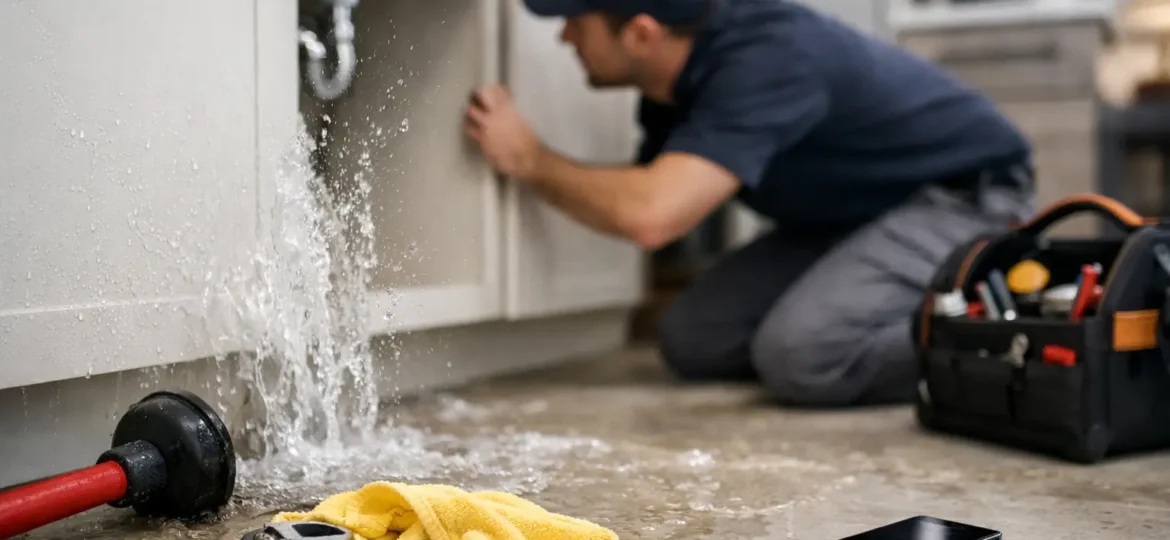
A toilet overflowing at 2 a.m. is not the time to start guessing. The same goes for a burst pipe under the sink, a sewer backup in the basement, or a water heater dumping gallons onto the floor. Emergency plumbing problems move fast. The longer they sit, the more damage they cause, and the more expensive the cleanup gets.
The first goal is simple – stop the damage. The second is figuring out whether you can contain the issue safely or whether it needs immediate professional repair. Some problems are messy but manageable for a short time. Others can damage the structure of your home, contaminate surfaces, or shut down a business in a matter of hours.
What counts as emergency plumbing?
Not every plumbing problem is an emergency, even if it is frustrating. A dripping faucet can wait until morning. A slow drain usually can too. But if water is actively flowing where it should not, sewage is coming back into the building, or you have lost access to essential plumbing fixtures, that is a different situation.
Emergency plumbing usually means one of three things. It is causing immediate property damage, creating a health risk, or making the home or building unsafe to use. A burst pipe checks the first box. A sewer backup checks all three. No hot water may or may not be urgent – it depends on the setting. In a home, it can sometimes wait. In a restaurant, medical office, rental property, or commercial facility, it may need same-day service.
Common plumbing emergencies include overflowing toilets that will not stop, burst or frozen pipes, main line backups, sewer smells paired with drainage failure, sump pump failure during heavy rain, broken water heaters, grinder pump issues, and sewage ejector pump failures. If wastewater is involved, the urgency goes up fast.
What to do first during an emergency plumbing problem
Start with the water supply. If a fixture is leaking hard, shut off the valve closest to that fixture if you can reach it safely. If the valve is stuck, broken, or the leak is not isolated, go straight to the main shutoff. Every property owner should know where that valve is before there is ever a crisis.
Once the water is off, cut power if needed. This matters if water is near electrical outlets, appliances, or your water heater. Do not step into standing water if there is any chance electricity is involved. Safety comes before cleanup.
After that, contain what you can. Towels, buckets, and mops are useful for clean water leaks. If the issue involves sewage, back away from the area and keep people and pets out. That is not a bleach-and-gloves weekend project. Sewage carries bacteria and can soak into flooring, baseboards, drywall, and anything porous.
Take a quick look at the source if it is visible, but do not tear into walls or start taking plumbing apart unless you know what you are doing. A rushed DIY fix can turn one damaged fitting into a much bigger repair. In emergency work, bad guesses are expensive.
When a leak is more serious than it looks
A small leak does not always stay small. Water travels. It can run behind cabinets, into crawl spaces, under flooring, and through ceilings before you see the full extent of the problem. That is why a leak under a bathroom sink can end up staining a downstairs ceiling, and why a pinhole in a copper line can rot out a wall cavity over time.
One of the biggest mistakes people make is judging the problem only by what they can see. If a line has burst, if sheetrock is soft, if flooring is buckling, or if you hear water running after the shutoff should have stopped it, the damage may extend beyond the obvious wet spot.
That is also where experience matters. Emergency plumbing is not just about stopping water. It is about finding the actual failure point, checking for pressure issues, making sure the fix will hold, and spotting related damage before it gets worse.
Sewer backups need fast action
If drains all over the property are backing up at once, or the lowest drain in the building starts filling with wastewater, there is a good chance you are dealing with a main line problem. That can come from grease buildup, wipes, roots, a broken sewer line, or a septic system issue, depending on how the property is set up.
This is not a wait-and-see problem. Every time someone flushes a toilet or runs water, more sewage can back up into tubs, showers, or floor drains. The right move is to stop using water right away and call for service.
In homes with septic systems, the warning signs can overlap. Slow drains, bad smells outside, soggy patches in the yard, gurgling toilets, or sewage surfacing near the drain field all point to a system that is not handling flow the way it should. Sometimes the emergency is inside the house. Sometimes it starts in the yard and works its way back toward the building.
For properties in the Chattanooga area, this is where a company with strong septic and sewer experience makes a difference. A lot of plumbing contractors can snake a line. Fewer are built to handle the full picture when wastewater systems are part of the problem.
Emergency plumbing in homes versus commercial buildings
The urgency can look different depending on the property. In a home, one unusable bathroom is a major problem, but sometimes there is a short-term workaround. In a commercial building, even a partial shutdown can affect customers, staff, tenants, and health code compliance.
Restaurants, apartment buildings, offices, retail sites, and industrial spaces often have more fixtures, heavier drain loads, and less room for delay. A backed-up sewer line in a house is bad. In a multi-tenant property, it can become a liability issue fast.
That is why emergency response is not just about speed. It is also about diagnosis. The right contractor needs to know whether the issue is isolated to one fixture, tied to a pump, related to the main sewer, or connected to the septic system. Fixing the symptom is not enough if the source is still there.
What not to do in a plumbing emergency
Do not keep running water to test whether the problem has gone away. Do not keep flushing a backed-up toilet. Do not pour drain chemicals into a clogged line if wastewater is already rising. Those products can make the area more hazardous and complicate the repair.
Do not assume every backup is a simple clog. If more than one fixture is involved, the problem is often deeper in the system. And do not ignore pump alarms. Grinder pumps, sewage ejector pumps, and sump pumps are there for a reason. When they fail, the system they support can fail right behind them.
It is also worth saying this plainly – emergency plumbing is not the time to shop only by the lowest price. A cheap temporary patch on a water line or sewer issue can cost far more once cleanup, restoration, and repeat service are added in.
Why upfront pricing and real availability matter
When you need help fast, you do not want vague answers, surprise charges, or a six-hour window with no real dispatch plan. You want to know someone is coming, what they are looking for, and what the repair is likely to involve.
That is why flat-rate upfront pricing matters in emergency situations. It takes some of the uncertainty out of a stressful moment. The same goes for free in-person estimates when the issue is complex. A serious sewer or septic problem should be looked at in person, not guessed at over the phone.
A dependable emergency plumbing company should also be honest about trade-offs. Sometimes a temporary repair is the right move to stop damage and buy time. Other times, patching it is throwing money at a failing system. The right answer depends on the age of the plumbing, the type of failure, accessibility, and whether wastewater or drainage systems are involved.
Chatta-Rooter Plumbing has built its reputation on that kind of work – showing up, diagnosing the issue correctly, and handling tough plumbing and septic jobs without wasting the customer’s time.
The best emergency plan is a boring one
Nobody wants to think about shutoff valves, pump alarms, or septic warning signs until something goes wrong. But knowing where your main water shutoff is, paying attention to slow drains, and acting early on sewer smells can keep a bad day from turning into major damage.
If you own a home, rental, or commercial property, treat emergency plumbing like any other high-risk maintenance issue. Know your weak points. Watch for changes. And when the problem is bigger than a plunger, bucket, or wrench can handle, get a qualified pro on site before the damage spreads.