
A basement bathroom is convenient right up until the toilet will not flush, the shower drain starts filling up, or wastewater appears around a floor drain. In many Chattanooga-area homes and commercial buildings, sewage ejectors handle the hard part of moving waste from below-grade plumbing up to the main sewer line or septic system. When that pump quits, the problem can turn into a backup fast.
A sewage ejector is not a regular drain pump. It handles wastewater from toilets, sinks, showers, laundry areas, and other fixtures installed below the level of the outgoing sewer or septic line. That means it needs to be sized correctly, installed correctly, and serviced by someone who understands both plumbing and wastewater systems.
How Sewage Ejectors Work
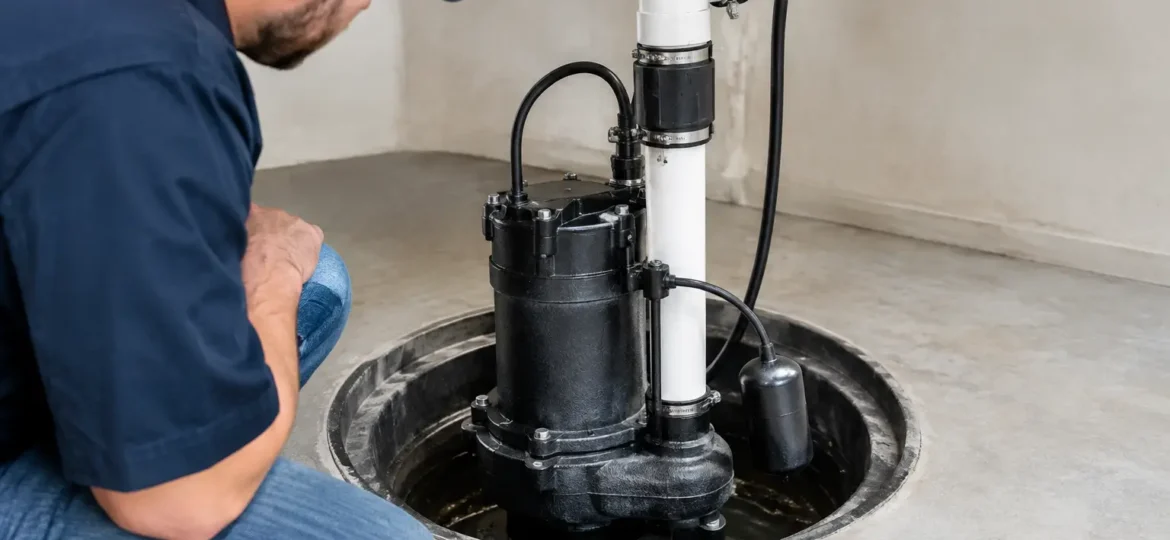
Sewage from lower-level fixtures drains into a sealed basin, often called an ejector pit. As the basin fills, a float switch activates the pump. The pump pushes wastewater through a discharge pipe and up to the building sewer line or septic system. Once the level drops, the pump shuts off.
The basin must remain sealed and properly vented. The discharge line needs a check valve so wastewater does not run backward into the pit after each pump cycle. Those details matter. A missing check valve, a failed vent, or a poorly installed discharge pipe can make a good pump act like a bad one.
Most residential sewage ejectors are built for normal bathroom wastewater and solids that have been flushed through a toilet. Some systems need a grinder pump instead. Grinder pumps cut waste into smaller particles before pumping, making them useful where the discharge line is small, long, or has a demanding uphill run. The right choice depends on the building layout, pipe size, lift height, and what the system is expected to handle.
Warning Signs Your Sewage Ejector Needs Service
A failed sewage ejector rarely improves on its own. Pay attention when a basement toilet, shower, or sink starts behaving differently from the rest of the building’s plumbing. Fixtures connected to the ejector pit may drain slowly, gurgle, or back up together.
The clearest warning sign is a pump that does not run when water enters the system. You may flush the toilet and hear nothing, or you may hear water collecting in the basin without the pump starting. This can point to a stuck float, electrical problem, failed switch, or burned-out motor.
A pump that runs constantly is another serious problem. Sometimes the float is jammed in the on position. Other times, the check valve has failed and wastewater is falling back into the basin, forcing the pump to repeat the same cycle. Constant running can overheat the motor and lead to a complete failure.
Loud grinding, rattling, or unusual humming deserves attention too. Pumps make noise, but a sudden change in sound can mean debris is caught in the impeller, the motor is struggling, or a mechanical part is wearing out. Strong sewer odors around the basin can indicate a damaged lid seal, venting issue, or leak.
Do not ignore a tripped breaker that keeps tripping when the pump tries to start. Repeated electrical trips can signal a motor problem, a damaged cord, water intrusion, or an overloaded circuit. Resetting it over and over does not fix the cause.
What Causes Ejector Pump Failures?
Age is one factor, but misuse is often the bigger issue. Sewage ejectors are built to move wastewater, not every item that ends up in a toilet or drain. Wipes labeled “flushable,” paper towels, feminine products, dental floss, cotton swabs, and hygiene products can snag the float or jam the pump. Grease, heavy sediment, and construction debris create trouble as well.
Power outages are another risk. If the basement bathroom continues to be used while the power is off, the basin can fill with nowhere for wastewater to go. A dedicated alarm can provide early warning when the water level rises too high. For properties that cannot afford a shutdown, such as businesses or occupied rental units, backup power may be worth discussing.
Some failures start outside the pump. A clogged discharge line, blocked sewer line, or septic issue can keep the pump from moving wastewater where it needs to go. If the pump is running but fixtures still back up, the problem may be downstream. Replacing a pump without diagnosing the entire system can waste time and money.
What to Do During a Sewage Ejector Backup
First, stop using every fixture connected to the ejector system. Do not keep flushing to “test” it. Do not run the shower, washing machine, or basement sink if they drain into the same pit. Every gallon adds to the backup risk.
Next, check whether the pump has power. If the breaker is off, you can reset it once. If it trips again or the pump hums without moving water, leave it off and call for service. Do not open a sewage basin or reach into it. Wastewater exposure, electrical components, and trapped gases make this a job for trained technicians.
If wastewater has overflowed, keep people and pets away from the affected area. Porous materials may need to be removed, and hard surfaces need proper cleaning and disinfection. The source of the backup must be repaired before cleanup is considered complete, or the same mess can happen again.
Keeping Sewage Ejectors Running Longer
The most practical maintenance step is simple: be selective about what goes down drains. Toilet paper and normal human waste are generally fine. Everything else should go in the trash unless the manufacturer specifically approves it for the system.
Pay attention to pump cycling. A healthy pump should run when the pit reaches its activation level, empty the basin, and shut off. If it runs longer than usual, starts cycling too often, or begins making new noises, schedule an inspection before it fails at the worst possible time.
Properties with frequent use, older systems, rental units, or commercial restrooms benefit from periodic professional checks. A technician can inspect the basin, float operation, check valve, discharge piping, electrical connections, alarms, and the condition of the pump itself. If a replacement is needed, proper sizing matters more than simply choosing the biggest pump available.
Repair or Replace? It Depends on the Problem
A stuck float switch, failed check valve, clogged impeller, or loose electrical connection may be repairable. If the motor has failed, the housing is cracked, the pump is undersized, or the unit has a long history of trouble, replacement is often the better call.
The cheapest immediate repair is not always the most affordable choice. An old pump that fails repeatedly can cause after-hours calls, wastewater cleanup, tenant complaints, and damage to flooring or stored belongings. For a homeowner, landlord, or business owner, dependable operation has real value.
A good service call should include more than swapping parts. The technician should determine whether the pump is the actual problem, verify the discharge path is clear, and make sure the system is working safely after the repair. That is how you avoid paying for the same issue twice.
When a basement bathroom or lower-level drain starts backing up, move quickly. Chatta-Rooter Plumbing can diagnose sewage ejector problems, handle repair or replacement, and check the sewer or septic side of the system when needed. Early service is usually cleaner, less stressful, and far less expensive than waiting for wastewater to reach the floor.