

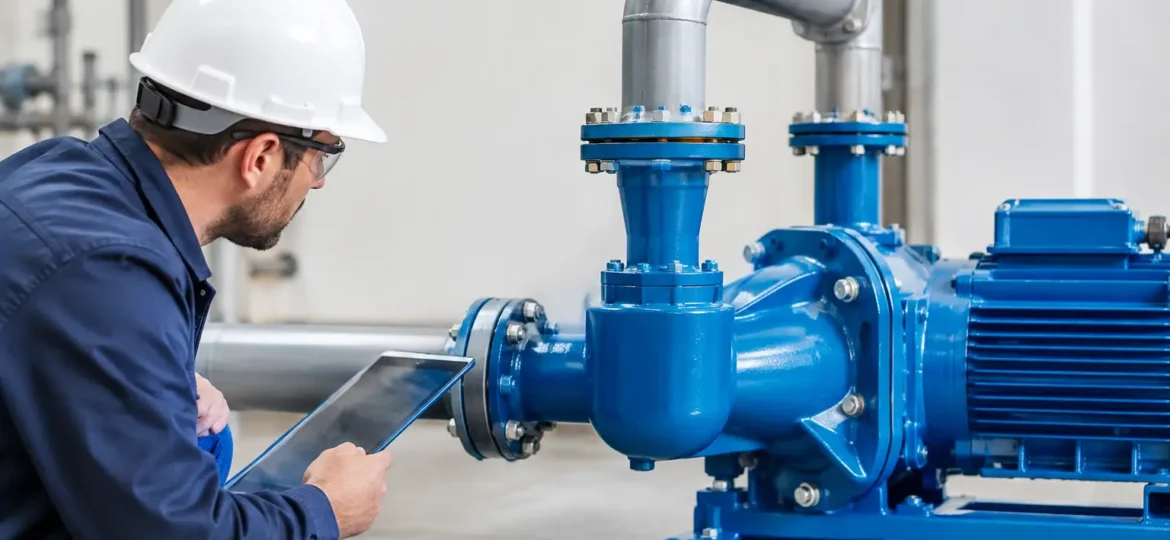
A sewage ejector pump is not the place to guess. If a basement bathroom, laundry room, or commercial fixture sits below the main sewer line, the pump has one job: move wastewater uphill and out without clogging, short-cycling, or backing up. This guide to ejector pump sizing explains what actually determines the right pump for the job.
A bigger pump is not always better. An undersized pump can fail to lift sewage, while an oversized pump may cycle too quickly, wear out sooner, and create problems in the discharge line. The right answer comes from the fixture load, basin size, pipe run, vertical lift, and the type of waste entering the system.
What an Ejector Pump Does
A sewage ejector pump handles wastewater from plumbing fixtures installed below the level of the building sewer or septic system. Most commonly, that means a finished basement bathroom with a toilet, sink, shower, or laundry connection. Wastewater flows by gravity into a sealed basin. Once the basin reaches its operating level, a float activates the pump and sends the waste through a discharge pipe to the sewer line or septic tank.
This is different from a sump pump. A sump pump handles groundwater and rainwater. A sewage ejector pump handles blackwater, graywater, toilet paper, and solids. That difference matters because ejector pumps need enough solids-handling capacity and enough power to move sewage through the discharge piping.
If the system serves a toilet, do not treat it like a basic drainage pump. A light-duty pump that cannot pass solids is a fast path to a blocked line and a sewage cleanup bill.
Guide to Ejector Pump Sizing: Start With the Fixtures
The first sizing question is simple: what drains into the basin?
A typical residential basement bathroom with one toilet, one sink, and one shower often uses a 2-inch discharge line and a sewage ejector pump in the 1/2 to 3/4 horsepower range. That is only a starting point, not a final specification. Add a washing machine, utility sink, second bathroom, bar sink, or frequent guest use, and the demand changes.
Commercial properties need a closer look. A restroom in an office, retail space, restaurant, or rental property may see much heavier use than a home basement. More fixtures and more users mean a larger basin, higher pumping capacity, or even a duplex pump system with a backup pump.
The pump must also match the type of material entering the basin. Standard sewage ejector pumps typically pass solids up to about 2 inches. If the application involves heavy solids, long horizontal runs, higher lift, or items that should not be flushed but often are, a grinder pump may be the better fit. Grinder pumps cut waste into smaller particles before pumping, but they are not automatically the best choice for every basement bathroom. They cost more and have more moving parts. Proper system design matters more than buying the most expensive pump on the shelf.
Calculate Total Dynamic Head Before Choosing Horsepower
Horsepower alone does not size a pump. The key measurement is total dynamic head, often called TDH. This is the total resistance the pump must overcome to move wastewater from the basin to the point where it enters the sewer or septic line.
Vertical lift is the obvious part. If the pump must push sewage 10 feet up to reach the building sewer, that is 10 feet of static head. But the pipe also creates friction. Every horizontal run, elbow, check valve, fitting, and undersized pipe adds resistance.
For a rough field estimate, contractors look at vertical lift first, then add friction loss from the discharge pipe and fittings. A long run with multiple turns can require more pumping power than a short run with the same vertical rise. This is why two homes with basement bathrooms may need different pumps even if both are using the same number of fixtures.
The pump curve is where the final decision happens. Every ejector pump has a performance chart showing how many gallons per minute it can move at different head heights. As head increases, flow drops. A pump may move plenty of water at 5 feet of head but struggle at 25 feet. The selected pump needs to provide adequate flow at the actual calculated TDH, not just look good based on its horsepower rating.
Basin Size Controls Pump Cycling
The basin is part of the system, not just a hole that holds the pump. It needs enough usable volume to prevent the pump from starting every few minutes during normal use. Frequent starts are hard on motors, floats, and switches.
For many residential applications, an 18-inch by 30-inch basin is common. It provides enough room for a standard sewage ejector pump and helps support reasonable run times. Larger fixture loads or commercial applications may need a larger basin or a duplex setup.
A basin that is too small can cause short cycling. A basin that is too large can allow sewage to sit too long, creating odor and buildup concerns. The basin should be sealed and vented correctly, with a gas-tight lid. If sewer odors are escaping around the lid or pump cords, that is not normal and should be corrected.
Do Not Ignore the Check Valve
Every ejector pump discharge line needs a properly installed check valve. When the pump shuts off, the check valve keeps wastewater in the vertical discharge pipe from dropping back into the basin. Without it, the pump may run again almost immediately, wasting power and adding unnecessary wear.
The valve should be accessible for service. It also needs to be installed in the correct direction and located where it can be inspected without tearing apart a finished wall or floor. A shutoff valve is commonly installed above the check valve for maintenance, but it should never be left closed while the system is in use.
A Practical Sizing Checklist
Before selecting an ejector pump, gather the details that affect performance:
- The number and type of fixtures draining into the basin
- Whether toilets are connected and the expected solids load
- Vertical lift from the pump to the sewer connection
- Horizontal discharge distance, pipe diameter, and number of fittings
- Required gallons per minute at the calculated total dynamic head
- Basin size, float operating range, and expected use level
- Whether the property needs a backup pump or alarm system
A high-water alarm is worth serious consideration, especially in a finished basement, rental property, or commercial building. It will not fix a failed pump, but it can warn you before sewage reaches the floor.
Common Ejector Pump Sizing Mistakes
The most common mistake is choosing by horsepower alone. A 1/2-horsepower pump is not automatically weaker or stronger than another 1/2-horsepower model in the way that matters. The pump curve, impeller design, solids-handling rating, and head requirements determine whether it fits the job.
Another mistake is using a discharge pipe that is too small. Restricting the discharge line increases friction and makes the pump work harder. Follow the pump manufacturer’s discharge requirements and local plumbing code. Do not reduce pipe size just because a smaller pipe is easier to route through framing.
Homeowners also run into trouble when a basement bathroom is added without confirming where the discharge will tie into the building sewer. The connection point, venting, backflow protection, and septic system capacity all need to be considered. On a septic property, adding fixtures increases wastewater flow. A pump may be correctly sized while the septic system itself is overdue for pumping, undersized, or dealing with drain field trouble.
Finally, do not flush wipes, paper towels, feminine products, dental floss, grease, or so-called flushable wipes. A properly sized ejector pump is built for sewage and toilet paper, not household trash. Even grinder pumps can jam when the wrong material goes down the toilet.
When a Standard Ejector Pump Is Not Enough
Some installations call for more than a single standard pump. A duplex system uses two pumps in one basin. The pumps alternate during normal operation, and the second pump can help during high demand or take over if the first one fails. This setup makes sense for certain commercial properties, multi-unit buildings, and locations where a sewage backup would cause major damage.
A grinder pump may be needed when the discharge line is smaller, the run is long, the lift is substantial, or local system conditions require it. These systems need professional evaluation because the pump, basin, controls, and piping all have to work together.
For homeowners in Chattanooga and the surrounding area, Chatta-Rooter Plumbing can inspect the existing basin, calculate the pumping requirements, and identify whether the problem is the pump, float switch, discharge line, check valve, or the septic and sewer system beyond it.
The right ejector pump should run long enough to clear the basin, lift wastewater without strain, and stay quiet until it is needed again. If your pump runs constantly, trips a breaker, smells like sewage, makes unusual noise, or lets wastewater back up into a shower or toilet, shut down water use if possible and get the system checked before a small pump issue becomes a major cleanup.