

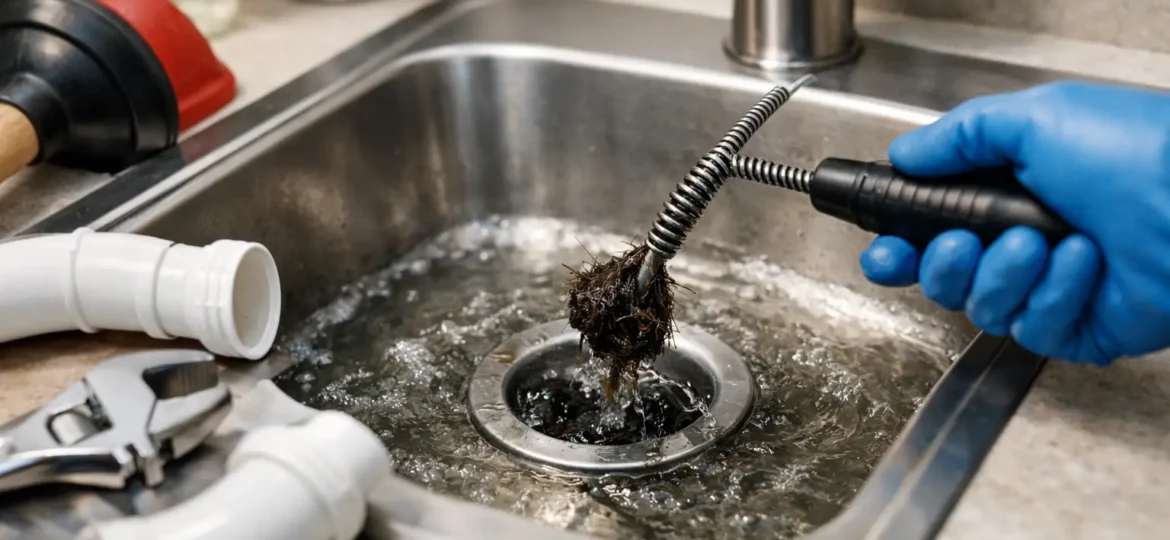
A drain that clogs once is a nuisance. A drain that clogs every few weeks is telling you something is wrong deeper in the line.
If you are searching for how to stop recurring drain clogs, the fix is usually not another bottle of chemical cleaner or a quick plunge. Repeat clogs happen when buildup never fully clears, the pipe has damage, or the real source of the problem is farther down the system than most people realize. The good news is that recurring clogs usually leave clues before they turn into a full backup.
Why recurring drain clogs keep coming back
Most repeat clogs are not random. They come from a pattern of buildup or a restriction that keeps catching debris. In kitchen drains, the usual problem is grease, food scraps, and soap residue sticking to pipe walls. In bathroom drains, it is often hair, toothpaste, soap scum, and products that were never meant to be flushed or rinsed down.
Main lines are a different story. If several fixtures drain slowly at the same time, or one drain backs up when another is used, the issue may be beyond a single sink or tub. Tree roots, pipe bellies, scale buildup, wipes, and old sewer lines can all create repeat stoppages that basic drain cleaners will not solve.
That is why a clog can seem gone for a few days and then come right back. You may have punched a small opening through the blockage, but the material lining the pipe is still there, ready to catch the next round of water and debris.
How to stop recurring drain clogs at the source
The first step is identifying which drain is acting up and what goes into it every day. A bathroom sink used for shaving and heavy product use has different clog causes than a kitchen sink in a busy household or a floor drain in a commercial space.
If the clog is isolated to one fixture, start with the habits around that fixture. If the problem affects multiple drains, skip the guesswork and think bigger. That often points to the branch line or main sewer line, where a more complete cleaning or inspection may be needed.
Kitchen drains
Kitchen drains clog because grease cools and sticks. Even if hot water seems to carry it away, the grease often hardens farther down the pipe. Over time it grabs food particles, coffee grounds, and soap residue until the drain slows down again.
To stop that cycle, keep grease, oils, and fats out of the drain completely. Scrape plates into the trash before rinsing. Use sink strainers to catch food debris. Flush the line with hot water and dish soap after heavy use, but understand that maintenance rinsing helps only when buildup is still light.
If the kitchen sink keeps backing up even after you clean the trap and use a plunger, there may be a thicker blockage in the line inside the wall or farther downstream. That is where a cable machine or hydro jetting makes a real difference.
Bathroom drains
Bathroom sinks, tubs, and showers usually clog from hair and soap scum. The reason the clog keeps returning is simple – hair gets tangled around rough spots and leftover residue inside the pipe. Pulling a little hair from the drain opening may improve flow, but it rarely removes the full mat of buildup.
Drain screens help a lot here. So does regular cleaning before the drain gets fully blocked. If your tub starts holding water around your ankles, that is the time to act. Waiting until it stops draining completely usually means the clog has grown deeper and thicker.
Toilets are different. A toilet that clogs repeatedly may be dealing with too much paper, wipes, hygiene products, or a problem in the line itself. If one toilet is the only fixture acting up, it could be a toilet issue. If flushing one toilet causes gurgling or backup elsewhere, that is a sewer line warning sign.
Signs the problem is deeper than one drain
Some clogs are local. Others are system-level problems. Knowing the difference can save you time and money.
If more than one drain is slow, if drains gurgle, if sewage smells are showing up inside, or if water backs up in a tub when the washing machine runs, you are probably not dealing with a simple sink clog. Those symptoms often point to a partially blocked main drain line.
Recurring clogs can also be tied to pipe condition. Older lines may have corrosion, scale, offsets, or sagging sections that keep trapping waste. In homes with trees near the sewer route, root intrusion is one of the most common causes of repeat stoppages. You can clear roots temporarily, but if they keep finding their way back in, the line may need repair.
What works better than chemical drain cleaners
Chemical drain cleaners are popular because they are easy to buy and easy to pour. The problem is that they often do not remove the full blockage, especially if the line is packed with grease, hair, sludge, or roots. They can also sit in the pipe and create harsh conditions for older plumbing.
A plunger is safer for minor clogs near the fixture. A hand auger can help with shallow bathroom stoppages. But for repeat clogs, professional drain cleaning is usually the real answer because it removes the material coating the pipe, not just the small hole through the middle.
Snaking works well for many localized blockages. Hydro jetting is stronger and more complete when the pipe condition allows it. It uses high-pressure water to scour the inside of the line and wash debris out. That is especially useful for grease-heavy kitchen lines, sludge buildup, and recurring main line problems.
It depends on the pipe. Fragile or damaged lines may need a camera inspection first so the cleaning method does not make things worse.
Prevention habits that actually matter
If you want to know how to stop recurring drain clogs long-term, daily habits matter more than quick fixes. What goes down the drain every day decides whether the line stays clear or starts building a new blockage.
In the kitchen, keep grease and food scraps out. In the bathroom, use strainers and throw hair in the trash. In every part of the house, avoid flushing wipes, paper towels, cotton products, or anything labeled flushable. Those products are a common cause of stubborn backups because they do not break down like toilet paper.
Regular maintenance helps too. If a drain has a history of clogging, clean the stopper, trap, or screen before it gets bad. Pay attention to slow draining, bubbling, or bad odors. Those early signs are easier and cheaper to deal with than an overflow.
For commercial buildings, rental properties, and busy households, scheduled drain cleaning can make sense. That is especially true in kitchens, older buildings, and properties with known root problems. Preventive service costs less than cleanup after a backup.
When to call for professional help
There is a point where home remedies stop being productive. If you have used a plunger, cleared obvious debris, and the clog keeps returning, the issue likely needs better equipment and a proper diagnosis.
Call a professional if the same drain clogs repeatedly, if more than one fixture is affected, if sewage odors are present, or if water is backing up into tubs, showers, or floor drains. Those are not minor maintenance issues. They are signs that the line is restricted and may need snaking, hydro jetting, or camera inspection.
A good plumbing company will not just clear the symptom and leave. They should explain what caused the blockage, whether the pipe shows damage, and what you can do to prevent it from happening again. That matters because recurring drain clogs are often a symptom of a bigger sewer or drain problem, not just bad luck.
For homeowners and property managers in the Chattanooga area, that local experience matters. Soil conditions, older infrastructure, tree roots, grease-heavy restaurant lines, and aging sewer connections all show up differently in the field than they do in a generic plumbing article.
The real goal is not a quick drain opening
Anyone can get water moving for the moment. The real job is making sure it stays moving.
That means looking past the surface clog and dealing with the reason it formed in the first place. Sometimes that is as simple as changing what goes down the drain. Sometimes it means clearing a heavy line properly or finding damage with a camera. Either way, the best fix is the one that stops the repeat call, the repeat mess, and the repeat stress.