

A drain backup usually does not start with a flood. It starts with a sink that drains a little slower, a toilet that gurgles, or a floor drain that smells off for no clear reason. The best ways to prevent drain backups are usually simple, but they only work if you catch problems early and stay consistent.
For homeowners, landlords, and business owners, that matters. A backed-up line can shut down a bathroom, damage floors, create sewage cleanup problems, and turn a minor maintenance issue into an expensive emergency. Prevention is always cheaper than repair, especially when the clog is deep in the main line or tied to septic or sewer trouble.
Why drain backups happen in the first place
Most backups come from one of three problems: buildup, blockage, or system failure. Buildup happens slowly when grease, soap residue, food waste, hair, wipes, and sludge collect inside the pipe. Blockage is more sudden, like a foreign object getting lodged in the line or roots pushing into an older sewer pipe. System failure is the bigger issue – a damaged sewer line, a full septic tank, a failing pump, or poor drainage design can all force wastewater back where it does not belong.
That is why prevention is not just about what goes down the kitchen sink. It is also about how the whole wastewater system is maintained. A house on a city sewer line and a property on a septic system can both have drain backups, but the cause and solution are not always the same.
Best ways to prevent drain backups at home or work
The biggest mistake people make is treating every drain the same. Kitchen drains, bathroom drains, floor drains, main sewer lines, and septic-connected plumbing all deal with different types of waste. Good prevention starts with using each part of the system the right way.
Keep grease, oils, and food scraps out of kitchen drains
Grease is one of the most common causes of kitchen drain trouble. It may go down hot, but it cools, sticks to pipe walls, and starts catching everything behind it. Over time, that narrow opening gets smaller until the line slows down or blocks completely.
Pour grease into a container and throw it away once it cools. Scrape plates into the trash before rinsing. Even if you have a garbage disposal, do not treat it like a free pass for everything. Stringy foods, starchy scraps, coffee grounds, eggshells, and fibrous vegetables can all create problems depending on the plumbing setup.
Stop flushing anything except toilet paper
Wipes are a major backup culprit, even the ones labeled flushable. They do not break down like toilet paper, and they can snag inside pipes, catch other debris, and build into a serious clog. Paper towels, feminine products, cotton swabs, and hygiene items create the same kind of risk.
If you manage a rental or commercial building, this matters even more. One bad flushing habit from one tenant, employee, or customer can affect the whole line. Clear signs in restrooms and a trash can within reach can prevent a lot of avoidable calls.
Use drain strainers where they actually help
In bathrooms, hair and soap scum are the usual problem. A simple drain screen in showers, tubs, and some sinks can stop a lot of material before it ever enters the pipe. That is one of the lowest-cost ways to prevent recurring clogs.
The trade-off is that strainers only work if somebody cleans them. If they are left packed with hair and residue, drainage still slows down. They are useful, but they are not maintenance-free.
Be careful with store-bought drain cleaners
A lot of people reach for chemical drain cleaner as soon as a sink slows down. Sometimes it seems to help, but it can also damage older pipes, soften certain materials, and create a harsher mess for whoever has to work on the line later. If the clog is caused by grease, roots, or a blockage deeper in the system, chemicals usually do not solve the real issue.
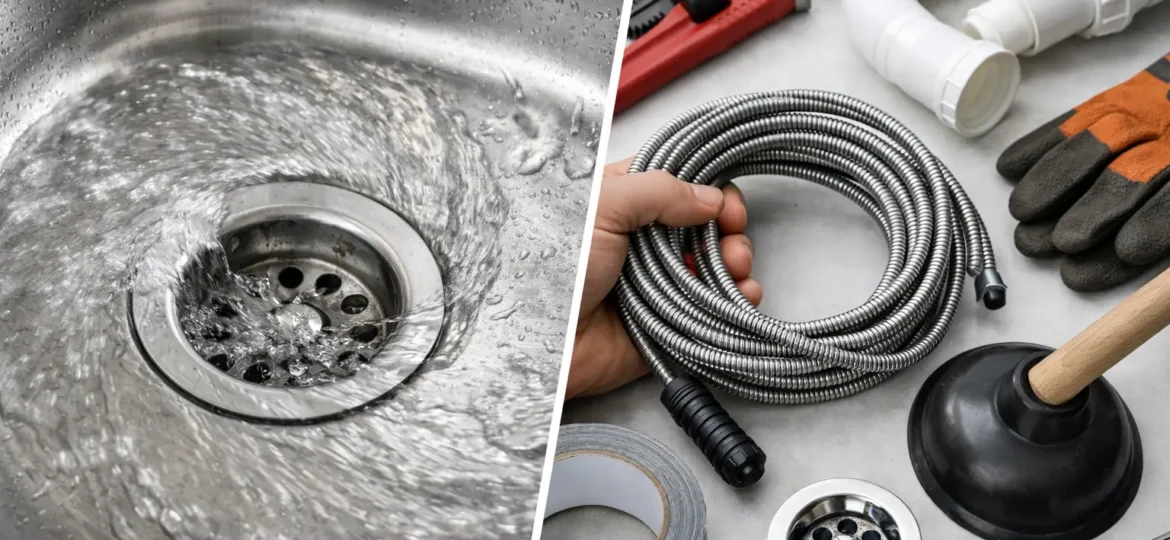
A plunger or a hand snake may help with a small, isolated clog. If multiple drains are slow at once, though, that points to a bigger problem. At that stage, forcing chemicals into the system can waste time and make the repair process harder.
The maintenance habits that make the biggest difference
Drain backups are often preventable because the warning signs show up early. The problem is that people live with those signs too long.
Pay attention to slow drains, gurgling, and bad odors
A single slow sink may just be a local clog. But when a tub drains slowly and the toilet starts bubbling, or when wastewater smell keeps coming back near a floor drain, it is smart to take that seriously. Those are early signs that the line is not moving waste the way it should.
The best time to deal with a drain issue is before water starts coming back up. Once backup happens, you are not just dealing with a clog anymore. You may be dealing with contaminated water, damaged materials, and a cleanup issue.
Schedule professional drain cleaning when your system needs it
Not every property needs the same cleaning schedule. A newer home with good habits may go a long time without professional service. A restaurant, rental property, older home, or building with heavy use may need routine cleaning to stay ahead of problems.
That is where experience matters. Professional drain cleaning can remove buildup that homeowner tools cannot reach. In some cases, hydro jetting is the right move because it clears pipe walls more thoroughly. In other cases, especially with older or damaged piping, a gentler approach makes more sense. It depends on the line condition, not just the symptom.
If you have septic, stay on top of pumping and inspections
For septic properties, backup prevention goes beyond indoor drains. A full tank, blocked outlet, damaged baffle, saturated drain field, or neglected filter can all cause wastewater to back up into the house. When that happens, people often assume the indoor plumbing is the problem when the real issue is outside.
Regular septic pumping is one of the smartest ways to avoid a messy backup. The exact timing depends on household size, water use, tank size, and system condition. There is no one-size-fits-all schedule. But waiting until there is a problem is almost always too late.
Best ways to prevent drain backups in the main line
Main line backups are where small warning signs turn into big trouble. If more than one fixture is acting up, especially on the lowest level of the building, the main sewer line should be on your radar.
Watch for tree roots and older pipe issues
In many properties, especially older ones, roots are a real threat. They find moisture, enter tiny cracks in the sewer line, and grow inside the pipe. That catches waste and toilet paper until the line slows or stops.
Root intrusion does not respond well to shortcuts. You might get temporary relief, but if the pipe is cracked or offset, the problem usually returns. A camera inspection can show whether the issue is buildup, roots, sagging pipe, or structural damage. That kind of diagnosis matters because you do not want to treat a broken line like it is just a routine clog.
Know when a pump system needs attention
Some homes and commercial buildings rely on grinder pumps, sewage ejector pumps, or sump pumps as part of the wastewater or drainage setup. When those systems fail, backups can happen fast.
Testing alarms, checking for unusual cycling, and addressing power or performance problems early can save you from a much worse failure later. Pump systems are not something to ignore once installed. They need periodic attention just like any other hardworking part of the plumbing system.
When prevention becomes a service call
There is a point where prevention stops being a DIY job. If sewage is backing up, multiple drains are affected, the issue keeps returning, or you suspect septic or sewer line trouble, it is time to get it checked by a professional. Fast action limits damage.
A dependable plumbing and septic company should be able to tell the difference between a simple branch line clog and a system-wide issue. That includes knowing when to clean a line, when to inspect it, when to pump a tank, and when a repair is the only real fix. That is the kind of work Chatta-Rooter Plumbing handles every day for property owners who need straight answers and real solutions.
The best prevention plan is not complicated. Use your drains the way they were meant to be used, pay attention when something changes, and do not wait for wastewater to show up where it should not. A little maintenance now is a whole lot easier than dealing with a backup at midnight.