

If you are asking how often should septic tank be pumped, you are already ahead of most property owners. A septic system usually gives plenty of warning before it turns into a nasty, expensive mess, but only if somebody is paying attention. Wait too long, and what could have been routine maintenance can turn into backups, drain field trouble, bad odors, and repair bills nobody wants.
How often should septic tank be pumped for most properties?
For most homes, the right pumping schedule falls between every 3 to 5 years. That is the general rule, and it works well as a starting point. But septic systems are not one-size-fits-all. A two-person household in a larger tank may go longer, while a busy family, rental property, or commercial site may need pumping much sooner.
That is why the honest answer is this: it depends on tank size, how many people use the system, what goes down the drains, and whether the system is doing more work than it was built to handle.
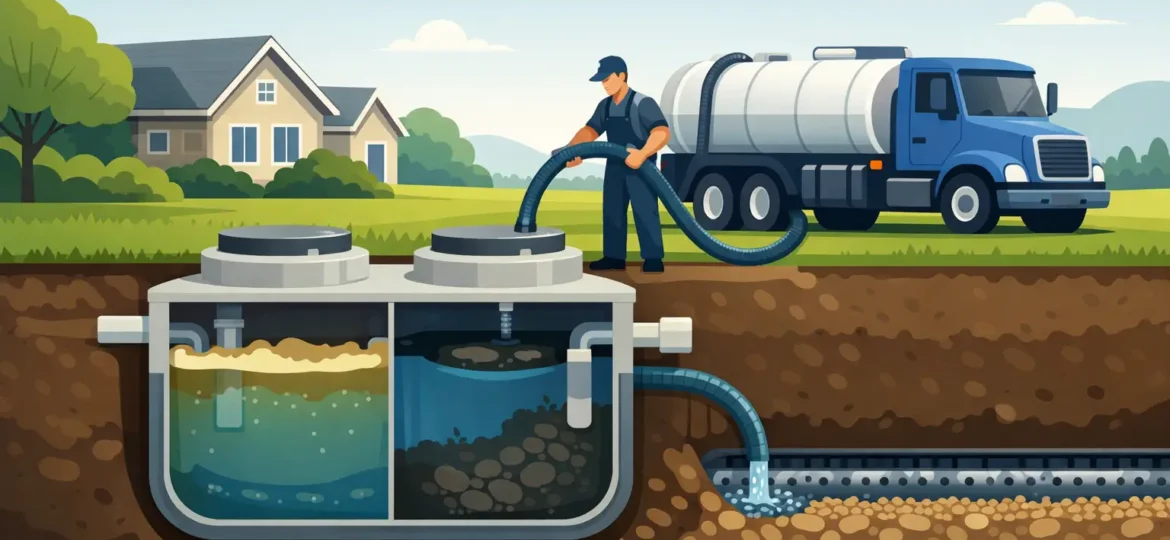
A septic tank is designed to separate solids, scum, and wastewater. The liquid moves on to the drain field, while solids stay behind and build up over time. Pumping removes that buildup before it starts causing trouble. Skip that maintenance long enough, and solids can move into places they do not belong. Once that happens, a simple pump-out may not be enough.
What changes how often a septic tank should be pumped?
The biggest factor is household size. More people means more toilet flushes, more showers, more laundry, and more wastewater entering the tank every day. A tank serving one or two people fills much slower than one serving a large family.
Tank size matters too. A larger septic tank can hold more solids before it reaches the point where pumping is needed. A smaller tank, even with careful use, will hit that point faster.
Daily habits also make a real difference. Garbage disposals can add a lot of extra solids. Long showers, frequent laundry loads, and heavy water use all increase the load on the system. Flushing wipes, hygiene products, grease, paper towels, and other non-flushable items speeds up problems fast.
Then there is the condition of the system itself. An older tank, a struggling drain field, root intrusion, broken baffles, or improper installation can all shorten the time between pump-outs. If a septic system already has issues, following a standard 3 to 5 year schedule may not be enough.
A practical septic pumping timeline
If you want a rough guide, most properties fit into a pattern like this.
A smaller household with a properly sized tank may need pumping about every 4 to 5 years. A typical family home often lands closer to every 3 years. Larger households, homes with frequent guests, short-term rentals, restaurants, churches, offices, and other higher-use buildings may need inspections and pumping every 1 to 2 years.
That is not scare talk. It is just math. The more wastewater and solids your system handles, the faster the tank fills.
For landlords and commercial property owners, this matters even more. Usage can change quickly depending on occupancy, business traffic, or tenant behavior. If you manage property, a set maintenance schedule is usually cheaper than waiting for complaints, backups, or emergency calls.
Signs your septic tank may need pumping sooner
A calendar helps, but your system can also tell you when it is getting full. Slow drains across the house are a common warning sign, especially if the problem is showing up in more than one fixture. Toilets that flush sluggishly, tubs that drain slowly, and gurgling sounds in the plumbing can all point to a septic issue.
Bad odors are another red flag. If you smell sewage around the yard, near the tank, or inside the home, it should not be ignored. Wet spots or unusually green grass near the drain field can also mean the system is overloaded or not processing wastewater correctly.
The worst sign is sewage backing up into sinks, tubs, or floor drains. At that point, the problem has gone past routine maintenance and into urgent territory.
If any of those signs are happening, do not assume pumping is the only fix. Sometimes the issue is a clogged line, a damaged component, or a drain field problem. But getting the tank inspected is the right move.
Why waiting too long gets expensive
A lot of people put off septic pumping because the system seems to be working fine. That is where trouble starts. Septic maintenance is one of those jobs that does not feel urgent until it suddenly is.
When solids build up too high, they can leave the tank and move into the drain field. That can clog the soil and reduce the system’s ability to handle wastewater. Once a drain field starts failing, repairs are more complicated and a whole lot more expensive than a routine pump-out.
There is also the mess factor. A septic backup is not just inconvenient. It is unsanitary, disruptive, and hard on flooring, drywall, and personal property. For businesses, it can interrupt operations and create health concerns fast.
Routine pumping is cheaper than emergency cleanup. It is also easier to schedule on your terms instead of dealing with a crisis after hours or on a weekend.
How inspections help answer the question better
If you do not know when your tank was last pumped, guessing is not a good plan. The better approach is to have the system inspected. A professional can measure sludge and scum levels, check key components, and tell you whether pumping is needed now or later.
That matters because pumping too often is not necessary, but pumping too late is a real risk. A proper inspection gives you a maintenance schedule based on your actual system, not just a generic rule you found online.
For newer homeowners, this is especially important. Many people buy a house with a septic system and never get clear records from the previous owner. If that sounds familiar, start with an inspection and build your schedule from there.
How to make your septic system last longer
Pumping is only part of septic maintenance. What you do between service visits matters just as much.
Use water wisely. Spreading laundry loads through the week is better than running them all in one day. Fix leaking toilets and faucets quickly because constant water flow can overload the system. Keep grease, food scraps, wipes, diapers, paper towels, and chemicals out of your drains.
It also helps to protect the drain field. Do not park on it, build over it, or let heavy equipment compact the soil. Keep large roots and trees from interfering with underground components.
These habits will not eliminate the need for pumping, but they can help your system perform better and avoid unnecessary wear.
Residential and commercial septic systems are different
Homeowners usually ask this question first, but business owners and property managers should be asking it too. Commercial septic systems often deal with heavier and less predictable usage. Office buildings, restaurants, rental cabins, event venues, and multi-unit properties can fill a tank much faster than a single-family home.
That means the pumping schedule should match real demand, not just what sounds reasonable. In higher-use settings, more frequent inspections are the smart move. They help catch buildup and developing issues before customers, tenants, or employees are dealing with a backup.
For Chattanooga-area property owners, that local piece matters. Soil conditions, rainfall, system age, and usage patterns can all affect performance. A local septic company with real field experience will usually spot problems faster than somebody relying on guesswork.
The best rule of thumb
So, how often should septic tank be pumped? For most properties, every 3 to 5 years is the right ballpark. But if your home has heavy use, your tank is smaller, or your property is commercial, it may need attention much sooner.
The best rule is simple. Do not wait for sewage on the floor to start taking septic maintenance seriously. Keep records, watch for warning signs, and have the system inspected on a regular schedule. If you are not sure where your tank stands, getting a straight answer from an experienced septic crew is a lot cheaper than finding out the hard way.
A septic system does not ask for much, but it does need attention. Stay ahead of it, and it will usually do its job without much drama.