

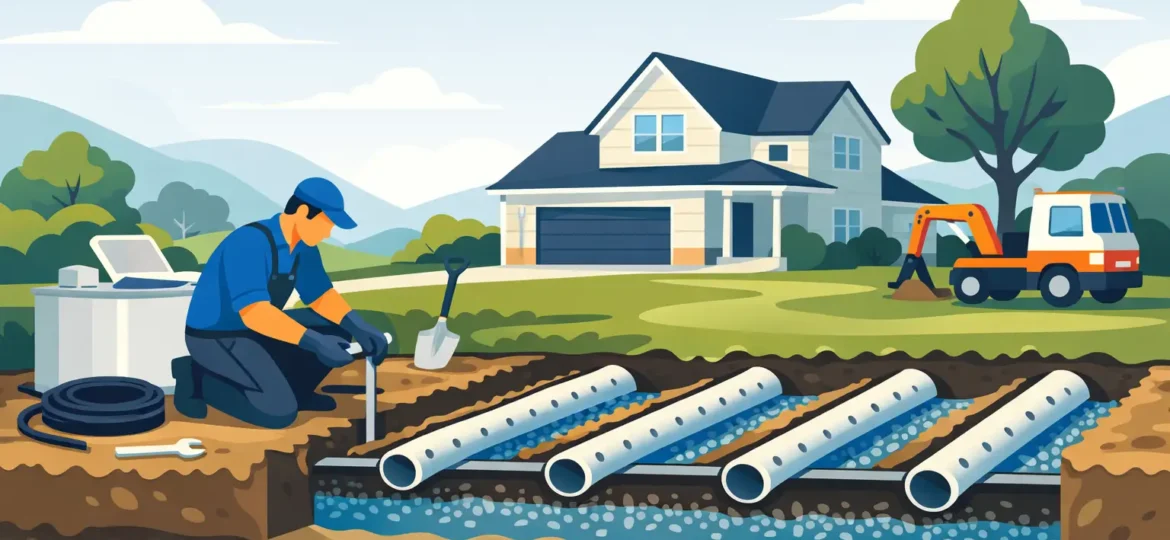
A soggy patch in the yard, a septic smell that will not quit, or drains inside the house slowing down all at once usually point to one thing – your system needs attention fast. When homeowners start searching for drain field repair Chattanooga services, it is usually because the problem has already moved past minor inconvenience and into real property damage, health concerns, or the risk of a full septic backup.
A failing drain field is not something to ignore for a few more weeks. It is the part of the septic system that handles wastewater after it leaves the tank. When that field stops absorbing and filtering properly, everything upstream starts struggling. Toilets may gurgle. Tubs may drain slowly. Sewage odors may show up indoors or outside. In bad cases, wastewater can surface in the yard.
What a drain field actually does
Your septic tank separates solids from wastewater. The liquid effluent then flows into the drain field, where it spreads through perforated lines and filters through soil. That soil treatment is a big part of how the entire system works.
When the field is healthy, wastewater moves out steadily and the ground can handle it. When the field is saturated, compacted, clogged, damaged, or overwhelmed, the system starts backing up because it has nowhere to send that effluent. That is why a drain field issue often feels like a whole-house plumbing problem.
In Chattanooga, drain fields deal with a mix of challenges. Heavy rain, clay-heavy soil in some areas, root intrusion, aging systems, and years of sludge moving out of an overfull tank can all shorten the life of a field. Not every problem means total replacement, but waiting too long often turns a repairable issue into a bigger job.
Signs you may need drain field repair in Chattanooga
Some warning signs are obvious. Others get brushed off until the system fails harder. If you notice sewage smells around the yard, standing water near the field, bright green grass over one section, or multiple drains in the home acting slow at the same time, your septic system needs a real diagnosis.
One slow sink alone could be a local drain clog. A slow sink, gurgling toilet, and wet yard together are a different story. That points toward the septic tank, outlet line, or drain field.
You may also notice the problem gets worse after rain. That does not always mean rain caused the issue. Often, it means the field was already weak, and wet soil simply exposed it. A healthy system should be able to keep working through normal weather conditions.
Why drain fields fail
There is no single reason every drain field goes bad. Sometimes it is age. Sometimes it is misuse. Sometimes it is poor soil conditions or damage from vehicles driving over the area.
A common cause is lack of septic pumping. When a tank is not pumped on schedule, solids can move into the drain field lines and clog the soil. Once that happens, wastewater cannot disperse the way it should. Grease, wipes, paper towels, and other non-flushable waste make that worse.
Hydraulic overload is another major issue. Too much water entering the system too fast can saturate the field. That can come from leaking toilets, heavy laundry days, long showers, or commercial usage that exceeds what the system was designed to handle. Tree roots, crushed lines, broken baffles, and poor grading can also contribute.
This is where experience matters. The right repair depends on what failed, how long it has been happening, and whether the field itself is the problem or the system has another blockage upstream.
Drain field repair Chattanooga options depend on the cause
There is no honest contractor who can diagnose every drain field problem over the phone. The symptoms may sound similar, but the repair can vary a lot.
Sometimes the fix is tied to the septic tank itself. If the tank is overdue for pumping and solids are backing things up, pumping and inspection may restore flow before more permanent damage happens. If a line is clogged, broken, or crushed between the tank and field, targeted line repair may solve the problem.
In other cases, the drain field trenches are saturated or biomat buildup has reduced absorption. Depending on site conditions, repairs may include replacing damaged laterals, correcting distribution issues, installing relief measures, or rebuilding part of the field. If the field has fully failed, replacement may be the only real answer.
That is the hard truth with septic work – sometimes a repair is enough, and sometimes it is not. The goal is not to force a cheap patch onto a bad system. The goal is to fix the actual problem and protect the property long term.
Why fast service matters
A struggling drain field does not usually get better on its own. It gets worse when wastewater keeps feeding into an already overloaded system.
That means every day you wait can increase the chance of indoor backup, yard contamination, and more expensive excavation later. For landlords and commercial properties, delay also raises the risk of tenant complaints, downtime, sanitation issues, and possible code problems.
Fast response matters most when sewage is surfacing or backing into the building. At that point, this is not just a maintenance issue. It is an urgent wastewater problem that needs professional attention.
What a proper diagnosis should include
Good septic work starts with looking at the whole system, not guessing from one symptom. A proper diagnosis should consider tank condition, liquid level, flow patterns, line condition, drain field performance, and what the property has been experiencing.
That may involve checking for a full tank, inspecting inlet and outlet baffles, identifying whether the issue is in the house sewer line or septic system, and assessing whether the field is ponding or failing. In some cases, camera inspection or probing helps confirm whether there is a blockage, break, or root intrusion.
The point is simple: if somebody jumps straight to full replacement without testing, be careful. If somebody tells you it is definitely a minor clog without checking the field, be careful there too. Septic problems need real field experience, not guesswork.
Repair or replace?
This is the question most property owners want answered right away, and fair enough. The cost difference can be significant.
If the system is structurally sound and the issue is isolated to a damaged line, poor distribution, or buildup that has not permanently destroyed the field, repair may make sense. If the drain field is old, heavily clogged, saturated for a long time, or undersized for the property, replacement may be the better investment.
It depends on age, usage, soil conditions, and whether the system has failed before. A short-term patch on a field that is already at the end of its service life may just delay the real work. On the other hand, replacing an entire field when a line repair would solve it is money wasted. That is why clear recommendations and upfront pricing matter.
How to protect your drain field after repair
Once the immediate problem is fixed, the next goal is keeping it from happening again. Septic systems need basic discipline. Pump the tank on schedule. Keep grease, wipes, paper towels, and harsh debris out of the system. Spread out laundry loads instead of flooding the system in one day. Fix leaking fixtures quickly.
Do not park over the drain field or let heavy equipment cross it. Keep deep-rooted trees and aggressive shrubs away from lines. Make sure roof drainage and surface runoff are not being directed onto the field area. Too much outside water can hurt a system just as much as too much wastewater inside the home.
If you are not sure where your tank and field are located, find out now rather than during an emergency. That alone can save time and damage later.
Choosing the right local septic contractor
When you need drain field repair Chattanooga residents can count on, local experience matters. Soil, weather, property layout, and regional septic conditions all affect how these systems fail and how they should be repaired.
You also want a company that can respond quickly, explain the issue in plain English, and give you straight pricing before the work starts. If the job turns out to be bigger than expected, you should hear that directly, not after the hole is open and the bill is climbing.
That is why many property owners call Chatta-Rooter Plumbing through https://Chattanoogasepticrepair.com when septic trouble shows up. Fast response, honest assessment, and real septic experience make a difference when wastewater problems cannot wait.
If your yard is wet, your drains are slow, or your septic system is sending up warning signs, trust those signs. The sooner you get the system checked, the better your odds of keeping the repair smaller, cleaner, and less expensive.