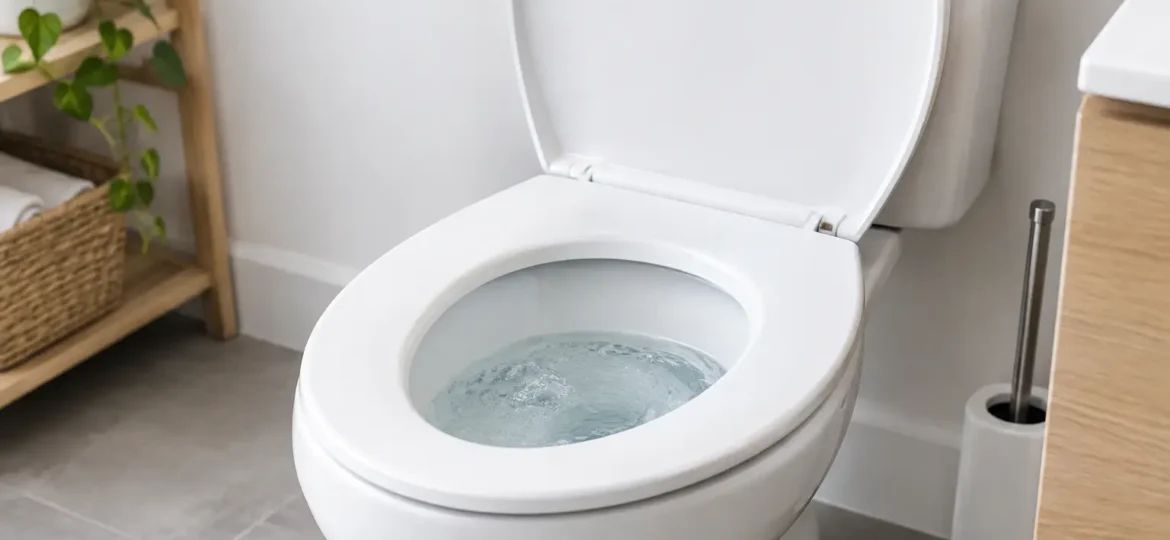
A toilet that gurgles after you flush, when the washing machine drains, or while the shower is running is not just making an odd noise. If you are asking, “why does toilet gurgle,” the short answer is that air is being forced through water where it should not be. That usually points to a restriction in the drain line, a blocked vent, or a developing sewer or septic problem.
One gurgle does not always mean an emergency. But repeated gurgling is a warning sign worth taking seriously. Drainage problems tend to get worse, not better, and waiting can turn a simple cleaning into a sewage backup inside the home.
Why Does a Toilet Gurgle?
Your plumbing system needs two things to work correctly: a clear path for wastewater to leave the building and a clear path for air to move through the plumbing vents. When either path is blocked, the system struggles to equalize pressure.
As water moves down a drain, it pulls air behind it. Normally, air enters through the roof vent and keeps the pressure balanced. If a partial clog or vent blockage interrupts that airflow, the system may pull air through the toilet trap instead. That movement creates the bubbling or gurgling sound you hear in the bowl.
The location and timing of the noise matter. A toilet that gurgles only when it is flushed may have a local toilet or branch-line issue. A toilet that gurgles when another fixture drains usually points to a shared drain line, main sewer line, or septic system concern.
Common Reasons a Toilet Starts Gurgling
A partial drain clog is restricting flow
A partial clog is one of the most common causes. It may be in the toilet trap, the drain line serving that bathroom, or farther down the main line. Grease, wipes, paper products, hair, roots, and years of buildup can narrow a pipe without blocking it completely.
Water may still drain, but it cannot move freely. As it pushes past the restriction, pressure shifts inside the pipe and air looks for another way out. Your toilet bowl becomes the place where you hear it.
A plunger may help if the obstruction is close to the toilet. If the gurgling keeps returning, avoid repeated flushing and do not assume the problem is gone just because the bowl clears temporarily. The clog may be farther down the line.
The plumbing vent is blocked
The vent stack runs through the roof and allows sewer gases to exit while supplying air to the drain system. Leaves, nesting material, debris, or even a small animal can block the opening. In cold weather, ice can also restrict a vent.
A blocked vent can make toilets bubble, cause slow drains, or create sewer odors indoors. The fix may sound simple, but working on a roof and attempting to clear a vent without proper equipment can be risky. It is also easy to push debris deeper into the line or miss a separate drain problem.
The main sewer line has a blockage or damage
When multiple fixtures act up at once, the main sewer line moves to the top of the suspect list. You may notice the toilet gurgling when the dishwasher runs, water backing up in the tub after flushing, or drains slowing down across the house.
Main line problems can come from tree roots, collapsed or cracked pipe, shifted pipe joints, heavy buildup, or foreign objects. Older homes in Chattanooga and surrounding areas can be especially vulnerable where aging sewer materials or large tree roots are involved.
This is not a job for chemical drain cleaners. Strong chemicals rarely clear a main-line obstruction, can damage certain piping, and create a hazard for whoever has to service the line afterward. Professional drain cleaning, hydro jetting, or a camera inspection is often the right next step, depending on what is found.
Your septic tank may be full or the system may be failing
For homes on septic, a gurgling toilet can be an early warning that the tank is overdue for pumping or that wastewater is not moving properly through the system. A full tank leaves less room for incoming waste. If the drain field is saturated, damaged, or overloaded, sewage has nowhere to go as it should.
Watch for slow drains throughout the home, foul odors near the tank or drain field, wet ground, unusually green grass in one area, or sewage backing into tubs and showers. Those signs call for prompt service. Continuing to use heavy water fixtures can force a backup indoors or add stress to an already struggling drain field.
Septic pumping may solve the issue when the tank is simply full. It will not fix a broken baffle, clogged outlet filter, damaged line, or failed drain field. A proper diagnosis matters because pumping alone can provide only short-term relief if the real problem is farther downstream.
A sewage ejector or grinder pump is not doing its job
Basement bathrooms, commercial buildings, and some properties with difficult elevation changes may rely on a sewage ejector pump or grinder pump. If that pump loses power, jams, fails mechanically, or has a float problem, wastewater can linger in the system and create gurgling or backup symptoms.
If a lower-level toilet gurgles and the pump alarm is sounding, treat it as urgent. Limit water use immediately. Pumps can fail without much warning, and sending more wastewater into the system can create a major cleanup problem.
When Gurgling Means You Need Help Fast
A single brief noise with no other symptoms may allow time for observation. But some situations should not wait. Call for professional plumbing or septic service if you notice four or more of these warning signs:
- The toilet gurgles every time another fixture drains.
- Water rises in the toilet bowl or backs up into a tub or shower.
- More than one sink, tub, or toilet is draining slowly.
- You smell sewage inside the building or around the yard.
- The septic tank is overdue for pumping or the drain field is wet.
- A basement sewage pump alarm is active or the pump is not running.
If sewage is backing up, stop using water wherever possible. Do not run the washing machine, dishwasher, or additional showers while waiting for service. Those appliances can send a large amount of water into a blocked line quickly.
What You Can Check Before Calling
Start by paying attention to the pattern. Does the toilet gurgle only after flushing, or when another fixture empties? Are there slow drains in one bathroom or throughout the property? Has the septic tank been pumped on schedule? Clear answers to these questions help narrow down the source of the trouble.
You can try a proper flange plunger if the toilet itself seems partially clogged. Use steady pressure and make sure the plunger seals around the drain opening. If that does not improve the issue after a few attempts, stop. Forcing repeated flushes into a blocked system can overflow the bowl.
Do not use flushable wipes, even if the packaging says they are safe to flush. They do not break down like toilet paper and are a frequent cause of drain and pump problems. Avoid pouring grease into sinks and keep food scraps out of drains unless your plumbing setup is designed for them.
For a roof vent, leave the inspection to a qualified professional unless you can safely see an obvious obstruction from the ground. The sound coming from the toilet does not prove that the vent is the problem. A sewer camera inspection may be needed to distinguish a vent issue from a blockage, root intrusion, or damaged pipe.
The Right Repair Depends on the Cause
There is no one-size-fits-all fix for a gurgling toilet. A simple toilet obstruction may need snaking. A buildup-heavy drain may respond well to hydro jetting. Roots or broken pipe may require targeted sewer repair. A septic system may need pumping, filter service, line repair, or drain field work.
That is why a real diagnosis beats guessing. Chatta-Rooter Plumbing can inspect the system, explain what is causing the pressure problem, and provide upfront options before work begins. For homeowners, landlords, and commercial operators, that means getting the problem handled without paying for the wrong repair first.
A gurgling toilet is your plumbing system asking for attention before it becomes a mess. Listen to the timing of the sound, watch for backup symptoms, and get it checked before the next flush becomes the one that sends wastewater in the wrong direction.