

That slow drain in the kitchen or wet patch over the yard usually does not show up out of nowhere. Septic problems build over time, and most of the expensive ones start with small habits that get ignored. If you want the best septic maintenance tips, start with this simple truth: your system will usually warn you before it fails, but only if you know what to watch and what to stop doing.
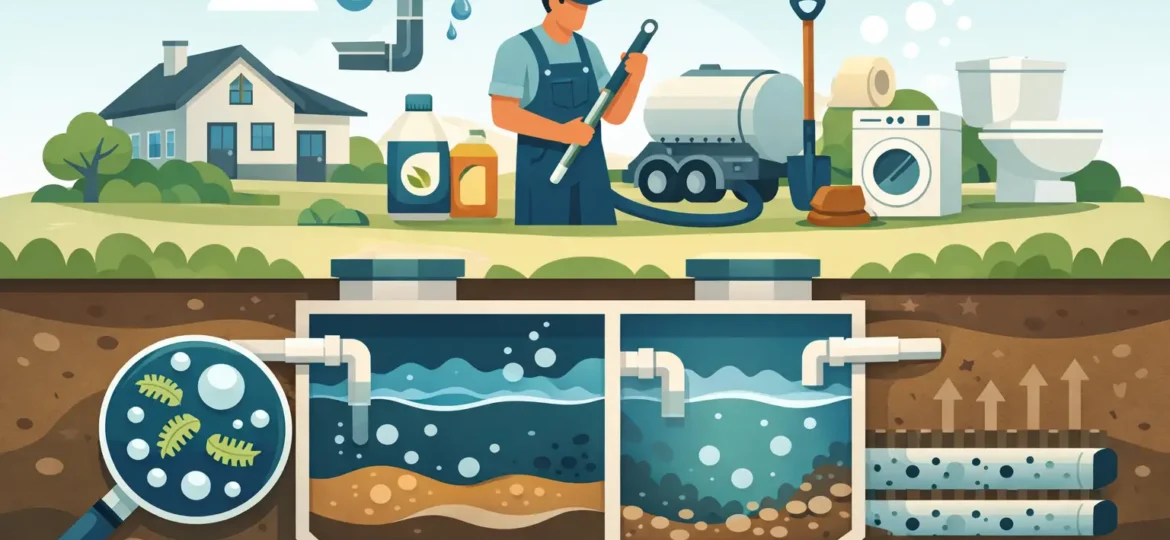
A septic system is not complicated, but it is unforgiving. Waste leaves the house, solids settle in the tank, liquids move to the drain field, and the soil finishes the job. When one part gets overloaded, the whole system feels it. That is why good septic care is less about fancy products and more about steady, practical habits.
The best septic maintenance tips start with water use
Too much water is one of the fastest ways to stress a septic system. When a tank gets flooded with more wastewater than it can handle, solids do not have enough time to settle properly. That can push waste toward the drain field, and once the drain field starts clogging, repair costs climb fast.
Spread out heavy water use during the week instead of doing everything in one day. If you run multiple loads of laundry back to back, take long showers, and run the dishwasher all in the same afternoon, your septic system takes the hit. A better approach is to stagger those tasks so the tank can do its job.
Small plumbing leaks matter too. A running toilet or dripping faucet may not seem like much, but over days and weeks, that extra water keeps feeding the system. Fix leaks early. It is one of the cheapest septic protection moves you can make.
Pump the tank on schedule, not after a backup
A lot of homeowners wait until the toilets start gurgling or the yard starts smelling bad. By then, you are already behind. Routine pumping removes built-up solids before they overflow into parts of the system that are much more expensive to repair.
How often you need pumping depends on the size of the tank, the number of people in the home, and daily water use. A smaller tank serving a large family will need attention sooner than a larger tank serving one or two people. Most systems need pumping every three to five years, but that is a range, not a rule carved in stone.
If you just bought a property and do not know the septic history, find out fast. Ask for records. If there are no records, schedule an inspection and get a baseline. Guessing is how tanks get neglected.
Watch what goes down the drain
Your septic system is built to handle human waste and toilet paper. That is the safe list. Everything else deserves a second look.
Grease is a major problem in kitchens. It cools, thickens, and builds up in pipes and tanks. Coffee grounds, eggshells, pasta, rice, and food scraps also add unnecessary solids. Even if you have a garbage disposal, that does not mean your septic system wants the extra load. In many homes, limiting garbage disposal use can help extend the time between pump-outs and reduce stress on the tank.
In bathrooms, wipes are a repeat offender. It does not matter if the label says flushable. Septic systems and sewer lines see the damage every day. Paper towels, hygiene products, cotton swabs, dental floss, and hair also do not belong in the toilet or drain.
Be careful with cleaners and chemicals
People often hear that septic systems need bacteria, then jump to the idea that every cleaner is a threat. That is only partly true. Normal household cleaning in reasonable amounts is usually fine. Dumping large amounts of bleach, disinfectants, paint, solvents, pesticides, or harsh chemicals into the system is not.
The goal is balance. You do not have to live with a dirty house to protect your septic system, but you should avoid treating drains like a disposal site for leftover chemicals. If a product is toxic enough that you would not pour it on your lawn, do not pour it into your septic tank either.
Additives are another area where people waste money. Many products claim they will replace pumping or solve septic problems in a bottle. Most do not. Some can even stir up solids and move them where they should not go. Good maintenance beats miracle products every time.
Protect the drain field like it matters
It does. The drain field is where many septic failures become expensive. Once that area gets compacted, flooded, or clogged, repairs are rarely small.
Do not drive over it. Do not park on it. Do not put sheds, above-ground pools, trailers, or heavy equipment on top of it. Compacted soil cannot absorb wastewater properly, and crushed lines create problems that are completely avoidable.
Landscaping choices matter too. Grass is usually fine. Trees and large shrubs are not always. Roots will chase moisture, and septic lines are a target. If you are planting near the system, know where the tank and drain field are first. Keep aggressive roots well away from those areas.
Gutters and surface drainage should also direct water away from the drain field. If rainwater keeps saturating that part of the yard, the soil cannot absorb septic effluent the way it should. What looks like a simple drainage issue can turn into a septic service call fast.
Learn the warning signs before the system fails
The best septic maintenance tips are not just about prevention. They are also about catching trouble early enough to avoid a major mess.
Slow drains across the house are one warning sign, especially if the problem is not limited to one fixture. Gurgling sounds in toilets or drains can also point to trouble. Bad odors near the tank or in the yard matter. So do soggy spots, unusually green grass over the drain field, or wastewater backing up into tubs and floor drains.
One symptom does not always mean total failure. It could be a clogged line, a full tank, or a baffle issue. But waiting rarely improves the outcome. When septic systems start talking, it pays to listen early.
Keep records and know your system
A surprising number of property owners do not know where their septic tank is, how large it is, or when it was last pumped. That makes maintenance harder than it needs to be.
Keep a simple file with pump-out dates, inspection notes, repairs, and a basic layout of the system. If you own rental property or manage a commercial building, this matters even more. Records help you schedule maintenance, spot recurring issues, and make better decisions before an emergency turns into downtime.
If your property has pumps, alarms, or advanced treatment components, do not ignore them. Those systems need regular inspection and service. When an alarm goes off, it is not background noise. It is telling you to act before the problem gets worse.
Best septic maintenance tips for homes with heavy use
Some properties put much more strain on a septic system than others. Large families, short-term rentals, restaurants, churches, offices, and homes with frequent guests all create a different maintenance reality. The same goes for older systems that were sized for yesterday’s water use, not today’s.
If your property runs heavy, be more conservative with pumping intervals and more disciplined about water use. What works for a two-person household may fail badly at a busy property. This is one of those areas where it depends on actual use, not wishful thinking.
For Chattanooga-area homeowners and property managers dealing with older systems, clay-heavy soil, or recurring wet-weather problems, local conditions matter too. A maintenance plan that looks fine on paper can still fall short if the yard stays saturated or the system has already been stressed for years.
When to call a septic professional
Routine care goes a long way, but some problems need a trained eye. If you are seeing recurring slow drains, sewage odors, standing water, backups, or alarm issues, do not keep guessing. Septic problems can overlap with sewer line trouble, drain clogs, broken components, or drain field failure, and the fix depends on the real cause.
That is where experience matters. A good septic company does not just pump and leave. They look at the full system, explain what is happening, and tell you whether you are dealing with a maintenance issue or a repair issue. That kind of straight answer saves money.
Chatta-Rooter Plumbing works with homeowners, landlords, and commercial properties that need septic service done right the first time. Whether it is routine pumping, a repair, or an emergency backup, the smart move is handling the problem before it gets bigger.
A septic system does not ask for much. Pump it on time, keep the wrong stuff out, protect the drain field, and pay attention when something changes. Do that consistently, and you give yourself the best shot at avoiding the kind of septic trouble that ruins a weekend and empties a bank account.