

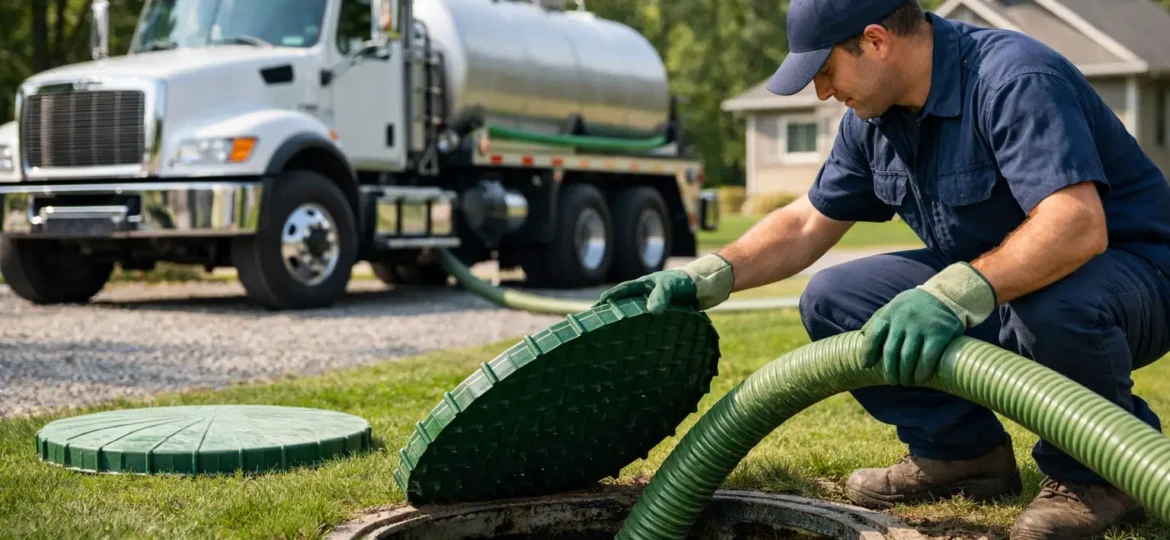
A toilet that will not flush, a sewage smell in the yard, or wastewater coming up through a shower drain is not a problem to watch overnight. Emergency septic service Hamilton County homeowners can rely on starts with stopping the damage, finding the real cause, and getting the system working safely again.
Septic emergencies can get ugly fast. Wastewater can damage floors, create sanitation concerns, shut down bathrooms, and turn a manageable repair into a larger cleanup job. The right move is not guesswork or a bottle of drain cleaner. It is a fast, experienced response from a septic professional who can pump, inspect, diagnose, and repair what failed.
When You Need Emergency Septic Service in Hamilton County
Not every slow drain means the septic tank is full. A single slow sink may be a local drain clog. But when several fixtures are acting up at once, the problem may be in the main sewer line, septic tank, pump, or drain field.
Call for emergency help when you see sewage backing up into tubs, showers, toilets, or floor drains. Strong sewage odors inside the home or around the tank and drain field also deserve immediate attention. Standing water or unusually green, wet ground near the septic system can point to an overloaded tank or failing drain field.
A high-water alarm on a pump tank is another urgent warning. That alarm means wastewater may not be moving where it needs to go. If the pump has failed, the float switch is stuck, or the discharge line is blocked, continued water use can cause an indoor backup.
For restaurants, rental properties, offices, and other commercial buildings, act even sooner. A septic issue can put restrooms out of service, disrupt operations, and create a health concern for employees and customers. Quick pumping and diagnosis can protect the property while preventing a longer shutdown.
What to Do Before the Septic Technician Arrives
The goal is simple: stop adding water to a system that may already be overloaded. Do not run the dishwasher, washing machine, or garbage disposal. Avoid showers, baths, and repeated toilet flushing. If wastewater is backing up indoors, keep people and pets away from the affected area.
If you know where the septic tank lids and pump tank are located, make the area accessible if it is safe to do so. Move vehicles, lawn equipment, and outdoor furniture out of the way. Do not remove tank lids yourself unless you are trained and properly equipped. Septic tanks can contain dangerous gases, and an open tank is a serious fall hazard.
Do not pour chemical drain openers, bleach, or additives into the system hoping for a quick fix. Those products rarely solve a septic emergency and can interfere with the bacteria your tank needs to work properly. They may also make the problem harder to diagnose.
If sewage has reached living areas, take pictures for documentation after everyone is safe. Then let a cleanup and septic professional assess the situation. The priority is controlling the source of the backup before cleaning begins.
Why Septic Backups Happen
A full septic tank is one common cause, especially when pumping has been delayed. Solids build up over time. Once the tank no longer has enough room to separate wastewater properly, sludge can move toward the outlet and create trouble downstream.
But pumping alone is not always the complete answer. A tank can be at a normal level and still back up because of a blocked inlet or outlet baffle, a damaged sewer line, root intrusion, a failed grinder pump, or a saturated drain field. Heavy rain can also expose drain field problems, particularly on properties with poor drainage or older systems.
Pump systems add another possible point of failure. A tripped breaker, failed pump, damaged float, or clogged discharge line can keep wastewater from leaving the pump chamber. In those cases, the technician needs to identify whether the problem is electrical, mechanical, or a blockage in the line.
That is why an emergency call should not end with someone simply emptying the tank and leaving. Pumping may provide immediate relief, but the system needs to be checked for the reason it reached that point. A straight answer now can prevent the same backup next month.
What a Proper Emergency Septic Visit Should Include
A solid emergency response begins with questions about what you are seeing, when it started, and whether the issue affects one fixture or the entire property. Those details help narrow down whether the likely issue is a drain clog, sewer line problem, septic tank overload, pump failure, or drain field concern.
On site, the technician should locate and inspect the relevant parts of the system, then explain what is found in plain language. Depending on the issue, the work may involve emergency septic pumping, clearing a main line, inspecting a sewer line, testing a pump and float system, or checking tank components.
There is a trade-off when an emergency happens after hours. Waiting may seem less expensive in the moment, but continuing to use water or allowing sewage to spread can create far more damage. On the other hand, if there is no active backup, no alarm, and no odor, a scheduled inspection may be the sensible choice. A dependable company should tell you which situation you have instead of pushing work you do not need.
Before repairs begin, ask for the cause of the failure, the recommended fix, and the expected price. Flat-rate upfront pricing matters when you are dealing with a stressful problem. You should know what work is being done and why before the job moves forward.
Preventing the Next Septic Emergency
Most septic systems give warning signs before they fail completely. Slow drains throughout the house, gurgling toilets, bad odors, and wet spots over the drain field are reasons to schedule service before a backup occurs. Regular pumping is one of the best ways to protect the tank, but the right interval depends on household size, tank capacity, water use, and whether the property has a garbage disposal.
Keep wipes, feminine products, paper towels, grease, coffee grounds, and other non-septic-safe materials out of drains and toilets. Even products labeled flushable can create clogs or add unnecessary solids to the tank. Spread out heavy water use when possible, especially laundry loads, so the system is not hit with more water than it can process at one time.
If your system has an effluent pump, grinder pump, or sewage ejector pump, do not ignore alarms or unusual cycling. These components work hard, and early service is usually easier than an emergency replacement after a failure.
When sewage is backing up or a septic alarm is sounding, do not wait for the problem to decide how bad it will become. Shut down water use, protect the area, and call a local crew that handles tough septic jobs every day. Chatta-Rooter Plumbing provides 24-hour septic pumping and emergency service for Hamilton County properties that need straight answers and fast, capable help.