

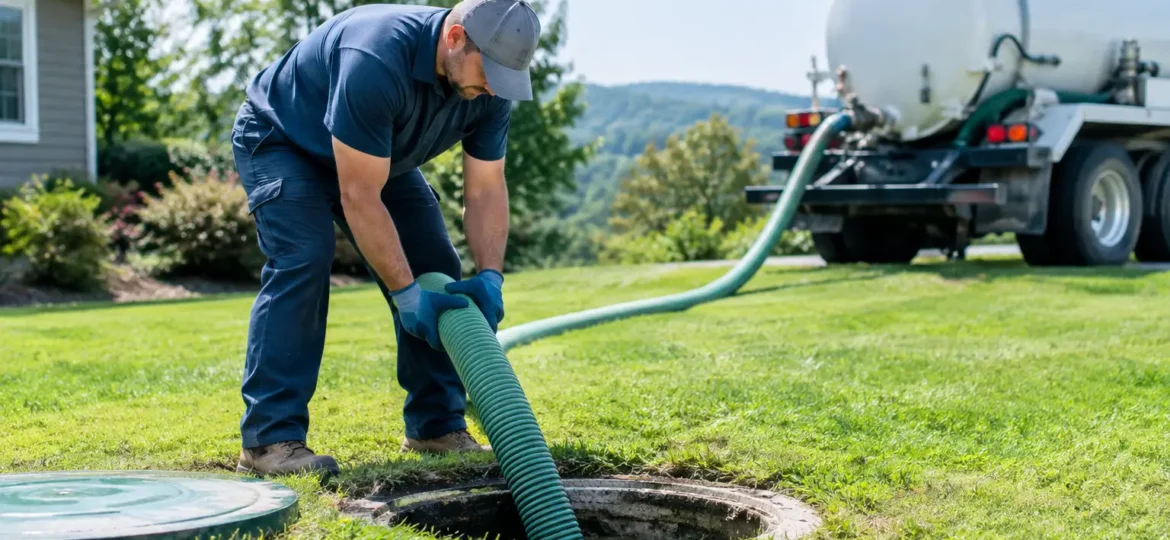
A septic tank rarely fails without giving you a warning. The trouble is that many property owners do not recognize those warnings until wastewater is backing up into a shower, a bathroom will not drain, or the yard smells like sewage. Timely septic pumping Hamilton County TN service keeps a routine maintenance job from turning into an emergency repair.
Your septic system works every day, whether it serves a family home, rental property, restaurant, office, or small commercial building. Solids settle in the tank, liquids move toward the drain field, and bacteria help break down waste. Over time, the solids and grease build up. If the tank is not pumped before that layer gets too high, waste can leave the tank and clog the drain field. That is where costs climb fast.
How Often Should a Septic Tank Be Pumped?
For most homes, a septic tank needs pumping every three to five years. That is a useful starting point, not a blanket rule. A household with two people using a properly sized tank may safely go longer than a busy home with five people, frequent laundry, large tubs, or guests every weekend.
Tank size matters too. A 1,000-gallon tank handles waste differently than a larger tank, and older systems may not have the same capacity or condition as newer installations. Garbage disposal use can also shorten the pumping interval because food solids add to the sludge layer. Rental homes and commercial properties often need a tighter maintenance schedule because usage can change without warning.
The right question is not just, “How many years has it been?” Ask how the property is used, whether the system has had past trouble, and whether records show when it was last pumped. If you bought a home without septic service records, having the tank inspected and pumped is usually the smart move. It gives you a clean baseline instead of gambling on what the previous owner did or did not do.
Warning Signs You Need Septic Pumping in Hamilton County TN
Slow drains can happen because of a local clog, but slow drains throughout the house are a different story. When toilets, showers, tubs, and sinks all start draining poorly, the septic tank may be full or the system may be struggling to move wastewater out.
A sewage odor near the tank, drain field, or inside the home needs attention. Healthy septic systems should not make the yard smell like wastewater. Wet, dark, or unusually green grass over the drain field can also be a warning sign, especially when there has not been heavy rain. Wastewater may be surfacing instead of filtering through the soil as it should.
The most serious sign is sewage backing up into a tub, shower, floor drain, or toilet. Stop using water immediately. Do not keep flushing, run the dishwasher, or start a load of laundry to “test” the problem. Every gallon sent down the drain can make the backup worse and increase the cleanup needed inside the property.
Watch for these common red flags:
- Gurgling toilets or drains after water is used elsewhere in the building
- Water backing up in a tub or shower when a toilet is flushed
- Persistent sewage odors indoors, around the tank, or near the drain field
- Standing water, spongy ground, or unusually lush grass over the drain field
- Frequent drain clogs that return after basic drain cleaning
- Sewage appearing in floor drains or lower-level fixtures
Not every one of these problems means the tank simply needs pumping. A clogged main line, broken pipe, failed pump, damaged baffle, or drain field issue can create similar symptoms. That is why a real septic assessment matters. Pumping a tank may relieve immediate pressure, but it will not repair a damaged drain field or a failing sewage pump.
What Happens During a Professional Pumping Service
Proper septic pumping is more than removing liquid from the top of the tank. The tank must be opened, the contents removed, and the sludge and scum layers pumped out thoroughly. A technician can also look for visible concerns such as damaged lids, broken baffles, inlet or outlet problems, excess solids, and signs that the tank has been neglected.
This is also the best time to confirm the system’s condition before it becomes urgent. A tank that is pumped on schedule gives the drain field a better chance to keep doing its job. A tank left full for years can send solids downstream, where they can block soil absorption and create a much bigger repair project.
Access can affect the work. If the tank lid is buried deep, covered by landscaping, or located under a deck, extra digging or access work may be needed. Be upfront about what you know about the tank location, prior repairs, and any areas of soft ground. That helps the crew arrive prepared and prevents wasted time on the property.
Pumping Protects the Drain Field, Not Just the Tank
The drain field is often the most expensive part of a septic system to repair or replace. Its job is to distribute treated wastewater into the soil. It is not designed to handle heavy solids, grease, wipes, or years of built-up sludge escaping from an overfilled tank.
Think of pumping as preventive maintenance for the entire system. Removing solids on schedule reduces the chance that they travel out of the tank and restrict the drain field. It does not guarantee a drain field will never fail. Soil conditions, system age, root intrusion, surface water, and poor installation can all play a role. But regular pumping is one of the few practical steps every property owner can control.
Be careful with additives that promise to eliminate pumping forever. A healthy septic system has natural bacteria, but no bottle replaces the need to remove accumulated solids. Some products can stir up material or create false confidence that leads owners to postpone necessary service.
Habits That Help Your Septic System Last
What goes down the drain matters. Toilet paper and human waste belong in the septic system. Flushable wipes, paper towels, feminine products, dental floss, cat litter, grease, and coffee grounds do not. Even products labeled “flushable” can create stubborn clogs and add unnecessary solids to the tank.
Use water wisely, especially if your system has shown signs of stress. Spread laundry across the week instead of running several large loads in one day. Repair running toilets and leaking faucets. A steady leak can send hundreds of extra gallons into the septic system, putting pressure on both the tank and drain field.
Keep vehicles, heavy equipment, and large structures off the tank and drain field. Compacted soil cannot absorb wastewater as effectively, and vehicle weight can damage pipes, lids, and tanks. Direct roof runoff and surface drainage away from the drain field as well. Saturated soil cannot take on more water when the septic system needs it to work.
When Pumping Is an Emergency
A full tank does not always mean an after-hours emergency. If drains are still working, there is no odor or standing water, and you know the tank is due, scheduling service promptly can prevent a crisis. Waiting until the system backs up is the expensive route.
It becomes urgent when wastewater is entering the home, sewage is surfacing in the yard, or a commercial property cannot safely use its restrooms. Shut down water use as much as possible and call for help. Septic wastewater carries bacteria and creates a sanitation issue, especially around children, pets, customers, and employees.
Chatta-Rooter Plumbing provides 24-hour septic pumping for Hamilton County property owners who cannot wait for regular business hours. The goal is straightforward: get the system evaluated, remove the immediate problem where possible, and explain clearly if pumping is only part of the repair.
Do Not Wait for a Backup
A septic tank is easy to ignore when everything is draining normally. That is exactly why routine pumping gets pushed aside. Keep a record of each service visit, note the tank size if you know it, and set a reminder based on how your household or property actually uses the system. A scheduled pumping visit is cleaner, simpler, and far less stressful than dealing with sewage after it reaches the house.