

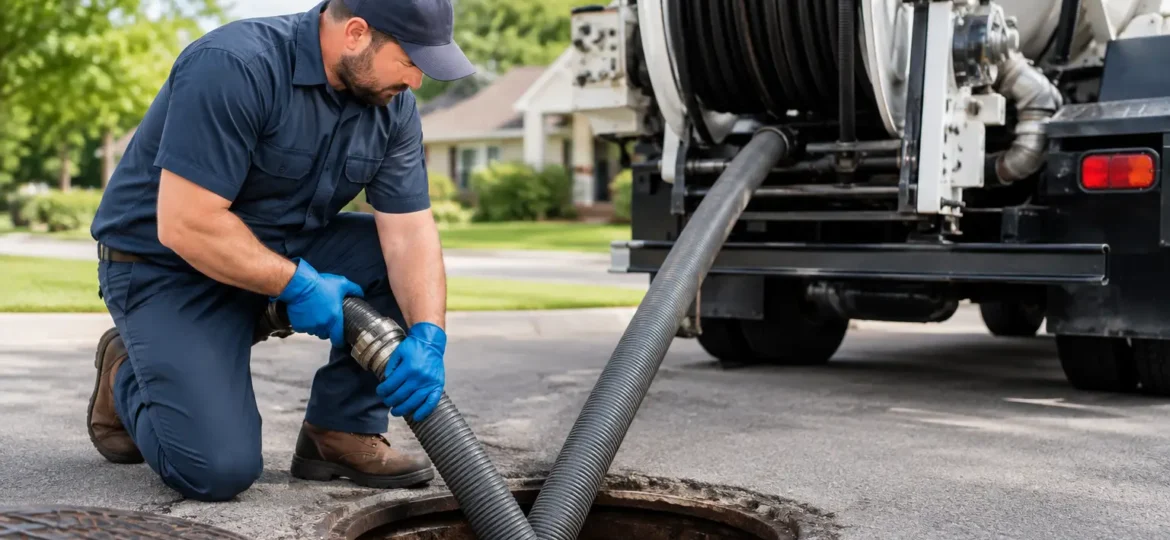
A sewer problem rarely starts with a dramatic backup. More often, it starts with a toilet that gurgles after a shower, a tub that drains slower than usual, or a stubborn odor near a floor drain. When you need sewer cleaning Marion County TN property owners can count on, acting at those early warning signs can prevent wastewater from reaching your floors, fixtures, or business operations.
A main sewer line carries every toilet flush, shower, sink, and washing machine discharge away from the building. Once that line starts to close up, the problem affects the whole plumbing system. Store-bought drain chemicals and repeated plunging may buy a little time, but they do not remove roots, heavy grease, broken pipe material, or a blockage deep in the main line.
Signs Your Main Sewer Line Needs Attention
One slow drain by itself can be a local clog. Several fixtures acting up at the same time points to something bigger. If flushing one toilet makes water rise in another fixture, or running the washing machine causes water to appear in a shower or tub, the main sewer line should be checked.
Pay attention to recurring problems. A drain that needs to be snaked every few months is telling you that the blockage was not fully removed or that there is a pipe condition behind it. Grease buildup, root intrusion, a low spot in the pipe, damaged fittings, and an aging sewer lateral can all create repeat clogs.
Outside signs matter too. Wet ground, unusually green patches of grass, a sewer smell around the yard, or sewage coming from a cleanout are not normal maintenance issues. They can indicate a serious restriction, a break, or a sewer line that cannot carry flow as it should.
For commercial properties, the warning may show up as slow restroom drains, recurring kitchen backups, or odors near floor drains. A busy restaurant, rental property, office, or shop cannot afford to wait for wastewater to come up through the lowest drain. Early service protects customers, employees, inventory, and the building itself.
What Causes Sewer Line Clogs in Marion County?
Tree roots are one of the toughest causes of sewer trouble. Roots naturally move toward moisture. Small cracks, separated joints, and older pipe connections give them a path into the line. Once inside, they trap toilet paper and waste until the pipe begins to close off. Cutting roots can restore flow, but a camera inspection helps determine whether the pipe also needs repair.
Grease is another common culprit, especially in kitchen lines. Hot grease may look harmless when it goes down the sink, but it cools on the pipe wall. Over time, it grabs food scraps, soap residue, and other debris. This is why a garbage disposal is not a cure for everything that fits down a drain.
Some clogs come from items that should never be flushed. Wipes labeled flushable, paper towels, feminine hygiene products, dental floss, and heavy paper products do not break down like toilet paper. They can catch on rough pipe walls or roots and build a blockage fast.
Then there are structural issues. Older homes and properties may have clay, cast iron, Orangeburg, or other aging sewer materials. A line can crack, shift, sag, collapse, or become offset at a joint. Cleaning is still useful when a blockage is present, but cleaning alone cannot repair a damaged pipe. The right answer depends on what the inspection finds.
Why Basic Drain Clearing Is Not Always Enough
A hand auger can be useful for a simple fixture clog near the drain opening. Main-line problems are different. The equipment needs to reach the blockage, break it apart, and pull or flush the material out without causing additional damage.
Professional sewer cleaning may involve cable machines, root-cutting tools, or hydro jetting. Cable cleaning is effective for many solid blockages and root masses. Hydro jetting uses controlled high-pressure water to scour buildup from the pipe walls. It can be an excellent choice for grease, sludge, and recurring buildup, but it is not automatically right for every line.
If a pipe is badly deteriorated or collapsed, high-pressure cleaning may not be the first step. A sewer camera inspection can show the condition of the line, the location of the obstruction, and whether cleaning is likely to solve the issue. That keeps you from paying for guesswork.
A clear line should also be verified when the situation calls for it. If the camera shows roots returning through separated joints, a bellied section holding water, or a cracked pipe, you need straight answers about the next repair. The goal is not just to get water moving for one day. It is to identify why the backup happened and help you make a sound decision.
What to Do When Sewage Starts Backing Up
When wastewater is coming up through a tub, shower, floor drain, or toilet, stop using water immediately. Do not flush toilets, run the dishwasher, start the laundry, or take a shower. Every gallon sent into the plumbing can add to the backup inside the building.
Keep people and pets away from the affected area. Sewage can carry harmful bacteria, and porous materials such as carpet, drywall, insulation, and furniture may need professional cleanup or removal depending on the extent of the spill. If you can do so safely, take a few photos for your records before cleanup begins.
Do not open a sewer cleanout if you are unsure of the line pressure or where sewage may discharge. A blocked main can release wastewater quickly. An experienced technician can locate the cleanout, assess the problem, clear the line, and recommend the safest next step.
For homes on septic systems, a backup is not always a sewer-pipe clog. A full septic tank, a failed pump, a damaged baffle, or drain field trouble can produce similar symptoms. This is where a company that understands both sewer and septic work matters. Chatta-Rooter Plumbing can help separate a line blockage from a septic system issue so the repair starts in the right place.
Preventing the Next Sewer Backup
Good habits reduce trouble, although no habit can stop roots or an aging pipe from failing. Keep grease, coffee grounds, food scraps, and cooking oil out of kitchen drains. Let grease cool in a container and throw it away instead of rinsing it into the sink.
Flush only toilet paper and human waste. Even products marketed as flushable can hang up in older plumbing or catch in a partially restricted sewer line. If young children are in the home, keep small items and wipes out of reach of the toilet.
Properties with a history of root intrusion benefit from planned maintenance. The right interval depends on the pipe material, nearby trees, previous backups, and how quickly roots return. Some lines need annual cleaning; others may go much longer. A camera inspection provides more useful guidance than a one-size-fits-all schedule.
If you are buying an older home, managing rentals, or taking over a commercial building, consider a sewer camera inspection before a small issue becomes an emergency. It can reveal conditions hidden underground, including root intrusion, cracks, offsets, and standing water in the line.
Get the Right Answer Before Damage Spreads
Sewer cleaning is not just about running a machine until the water drains. It is about finding the blockage, choosing the right cleaning method, and being honest when the pipe needs more than a quick clear-out. That matters when a family is dealing with a backup at night or when a business needs restrooms operating again.
If drains are gurgling, multiple fixtures are slow, or sewage has started to back up, do not wait for the next flush to make the decision for you. Fast diagnosis and proper sewer cleaning can protect your property, reduce cleanup costs, and get daily life moving again.