

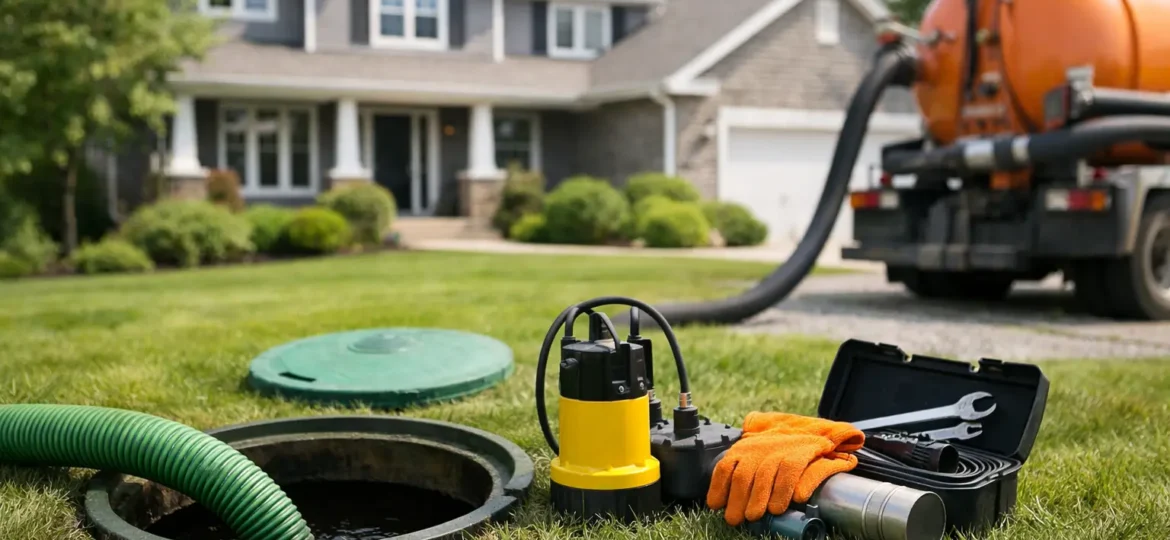
A septic emergency rarely starts with wastewater on the floor. It usually starts with a slow drain you keep meaning to check, a soggy patch of yard, or a toilet that gurgles once and then seems fine. The best ways to avoid septic emergencies come down to regular service, smart daily habits, and acting early when your system gives you a warning.
For homeowners, landlords, and business owners, prevention costs far less than an after-hours backup, sewage cleanup, or failed drain field. A septic system does hard work every day. Give it the attention it needs before a small issue becomes a messy, expensive job.
1. Pump the Tank Before It Is Full
Routine septic pumping is the single most reliable way to prevent backups. Solids build up in every tank. If they are not removed, they can move into the outlet pipe and drain field, where they cause clogs that are harder and more expensive to repair.
Most homes need septic tank pumping about every three to five years. That schedule is not one-size-fits-all. A large household, frequent guests, heavy laundry use, a garbage disposal, or a smaller tank can mean pumping is needed sooner. Commercial properties may need a more frequent schedule because their wastewater volume is less predictable.
Do not wait until drains back up to schedule service. At that point, the tank may be overloaded or the drain field may already be under stress. Keep a record of pumping dates, tank size, and any repairs. If you bought a property without septic records, having the system inspected and pumped is a practical starting point.
2. Keep Grease, Wipes, and Harsh Waste Out of Drains
Your septic system is built to handle wastewater and normal toilet paper. It is not a trash can. Materials that do not break down can collect in the tank, block pipes, damage pumps, and eventually create a backup inside the building.
Never flush wipes, even if the package says flushable. Paper towels, feminine products, diapers, cotton swabs, dental floss, and medication should stay out of the toilet. In the kitchen, let grease, cooking oil, and fats cool in a container and throw them away instead of washing them down the sink.
Be careful with garbage disposals, too. They send extra solids into the septic tank and can shorten the time between pump-outs. A disposal is not automatically a problem, but households that use one heavily should plan for more frequent septic maintenance.
3. Control How Much Water Enters the System
A septic tank needs time to separate solids from liquid. The drain field needs time to absorb and treat wastewater. Sending a large amount of water through the system in a short period can overwhelm both.
Spread laundry loads across the week instead of running several back-to-back on one day. Repair dripping faucets and running toilets promptly. A toilet that quietly runs all day can send hundreds of unnecessary gallons into the tank. High-efficiency fixtures can help, but good habits matter just as much.
Pay attention after parties, family visits, or periods of heavy use. If your home has a septic system designed for four people but hosts ten people for a week, the system is handling a different workload. Use water carefully during those times and avoid stacking showers, laundry, and dishwasher cycles together.
4. Protect the Drain Field From Damage
The drain field is where wastewater receives final treatment after leaving the septic tank. It is one of the most important parts of the system and one of the most expensive to replace. If the field is compacted, flooded, or clogged with solids, wastewater has nowhere to go.
Keep vehicles, trailers, heavy equipment, and material piles off the drain field. Compacted soil cannot absorb wastewater properly, and heavy traffic can crush underground lines. Do not build sheds, patios, pools, or driveways over the field unless a qualified septic professional confirms the location and design allow it.
Direct roof runoff, surface drainage, and sump pump discharge away from the tank and drain field. Extra stormwater can saturate the soil and prevent the field from doing its job. In Chattanooga and surrounding areas, heavy rain can expose a weak drainage setup fast.
Trees also deserve attention. Roots naturally seek moisture and can work their way into septic lines. If you are planting near the system, choose locations well away from the tank and drain field. If mature trees already sit nearby, watch for recurring clogs or slow drains that could point to root intrusion.
5. Know the Warning Signs of a Septic Problem
The best ways to avoid septic emergencies include knowing when not to wait. Septic systems often give clear signals before they fail completely. Ignoring those signals can turn a routine service call into an emergency pumping, repair, or cleanup job.
Watch for slow drains throughout the building, toilet gurgling, sewage odors indoors or outside, water bubbling in tubs or showers, and drains that back up when another fixture runs. Outside, look for unusually green grass, wet or spongy ground, standing water near the drain field, or sewage odors in the yard.
One slow sink may be a local drain clog. Several slow fixtures at once are more serious and can point to a main line or septic issue. If sewage is backing up, stop using water immediately. Do not keep flushing, running the dishwasher, or trying chemical drain cleaners. Reducing water use can limit the damage until a technician can inspect the system.
6. Do Not Use Chemical Cleaners as a Septic Fix
Liquid drain cleaners are often a bad trade. They may not reach the real blockage, especially when the problem is in a main line, tank, pump, or drain field. They can also be hard on pipes, dangerous to handle, and hazardous for the technician who later has to open the line.
Septic additives deserve the same caution. Most properly operating systems do not need miracle powders, enzymes, or chemicals. Some products can stir up solids, interfere with the natural bacteria in the tank, or create false confidence while a real problem gets worse.
For a stubborn clog, recurring backup, or foul odor, get the line and septic system diagnosed correctly. Camera inspection, main line cleaning, hydro jetting, or pumping may be the right answer, but it depends on what is actually causing the problem.
7. Maintain Pumps and Electrical Components
Not every septic system relies only on gravity. Some properties use grinder pumps, sewage ejector pumps, lift stations, alarms, or other electrical equipment to move wastewater. When a pump fails, wastewater can back up quickly.
Have pumps checked as part of regular maintenance, especially if the system has an alarm. Test the alarm when recommended and make sure everyone responsible for the property knows what it means. If the alarm sounds, reduce water use right away and call for service. Do not assume it will reset itself or keep running water until the tank overflows.
Power outages can also affect pumped systems. If your property depends on a pump, ask a septic professional about the system’s capacity during an outage and whether backup power makes sense for your situation.
8. Use a Local Pro Before You Are in Crisis Mode
A quick inspection during normal business hours gives you more options than a midnight sewage backup. A qualified septic company can locate the tank, check components, inspect for obvious concerns, recommend a pumping schedule, and explain what your property needs without guesswork.
That is especially valuable for new homeowners and landlords. Do not rely on a previous owner’s memory of where the tank is or when it was last pumped. Get clear records and make septic care part of your property maintenance plan.
Chatta-Rooter Plumbing provides septic pumping, repair, drain field service, inspections, and 24-hour emergency response for property owners who need straight answers and reliable work. If you notice backup, sewage odor, wet ground, or repeated drain trouble, call before the problem spreads.
A septic system does not need constant attention, but it does need the right attention at the right time. Put pumping on the calendar, protect the drain field, and treat early warning signs like the repair call they are. That simple routine can keep your home or business running clean when it matters most.