

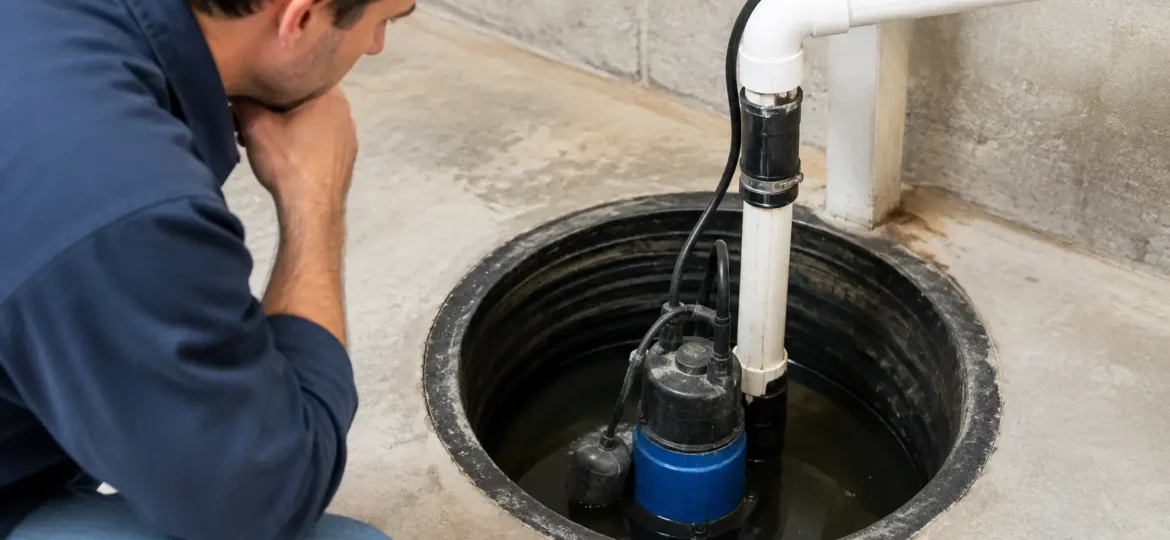
A sump pump can sit quietly in a basement or crawl space for years, doing its job without much attention. Then a hard Chattanooga rain rolls through, groundwater rises, and that small pump becomes the only thing standing between your property and a serious water mess. Knowing the warning signs of failing sump pump equipment gives you time to fix a manageable problem before water reaches flooring, walls, stored belongings, or electrical equipment.
A sump pump is not a set-it-and-forget-it appliance. It has moving parts, electrical connections, a discharge line, and a float switch that all need to work at the same time. Here is what to watch for and when it is time to bring in a professional.
1. The Pump Runs Constantly
A sump pump should turn on when water in the pit reaches a certain level, then shut off after it moves that water out. If it runs nonstop, something is wrong.
The float switch may be stuck, the switch may be set incorrectly, or the pump may be undersized for the amount of water entering the pit. A clogged or frozen discharge line can also keep water from leaving the system, making the pump run far longer than it should.
Do not ignore a pump that never rests. Constant operation overheats the motor, drives up power use, and can burn out the pump right when you need it most. If the pit is dry but the pump is still running, turn off power to the unit and have it inspected.
2. It Does Not Turn On When Water Rises
This is one of the clearest warning signs of a failing sump pump. If water rises in the basin and the pump does nothing, you have a problem that needs attention before the next rainstorm.
Sometimes the issue is simple. The pump may have become unplugged, a GFCI outlet may have tripped, or the breaker may be off. Check those items first, but do not assume power is the only issue. A failed float switch, seized impeller, worn motor, or damaged wiring can all prevent the pump from starting.
A safe test is to slowly pour a bucket of water into the sump pit until the float rises. The pump should kick on, lower the water level, and shut off. If it will not start, starts but cannot move water, or trips the breaker, schedule service promptly.
3. Strange Noises Come From the Pit
Sump pumps make some noise during normal operation, but grinding, rattling, banging, loud humming, or metal-on-metal sounds are not normal. Those sounds often point to a mechanical issue inside the pump.
A damaged impeller can make grinding noises. A failing motor may hum without starting. Rattling can come from loose components, debris in the pit, or a discharge pipe that is not secured properly. A loud thump when the pump shuts off may also indicate a missing or failed check valve.
The check valve matters because it keeps water in the discharge pipe from flowing backward into the pit after the pump stops. Without it, the pump has to move the same water more than once, which adds unnecessary wear.
4. The Pump Cycles On and Off Too Often
Short cycling means the pump starts and stops repeatedly, even when there is not much water in the pit. This puts heavy strain on the motor and electrical components.
A float switch that is too sensitive, tangled, or obstructed is a common cause. The pump may also be too small for the basin, installed at the wrong height, or dealing with water flowing back from the discharge line. In some properties, a high groundwater table or drainage issue is sending more water toward the foundation than the system was designed to handle.
The answer depends on the cause. Replacing a switch may solve it, but some homes need a larger basin, a properly sized pump, or drainage corrections outside the foundation. A real diagnosis is better than replacing parts and hoping the problem goes away.
5. Water Is Not Leaving the Sump Pit
If the pump is running but water stays in the pit, the unit is not doing its job. The intake screen may be blocked by mud, gravel, or debris. The impeller may be jammed. The discharge pipe may be clogged, crushed, disconnected, or blocked outside.
This problem is especially common when the discharge outlet is buried, improperly sloped, or exposed to freezing conditions. Water can back up in the line and leave the pump working against pressure it cannot overcome.
Avoid reaching into a powered sump pit or taking apart electrical components yourself. Shut off power first, and call for help if there is standing water near outlets, wiring, or appliances.
6. You See Rust, Corrosion, or Dirty Water
Surface rust around a sump pump does not always mean immediate failure, but visible corrosion should never be brushed off. Rust can affect electrical connections, weaken fittings, and signal moisture problems around the system.
Pay attention to the water itself, too. A sump pit full of heavy sediment, mud, or debris can clog the pump intake and shorten pump life. Cloudy water may be normal in some drainage systems, but sewage-like odors, dark wastewater, or unusual contamination needs a closer look. A sump pump should manage groundwater, not raw sewage.
If your property has a sewage ejector pump or grinder pump, do not confuse it with a sump pump. Those systems handle wastewater and require a different type of service. The wrong diagnosis can lead to the wrong repair.
7. The Pump Vibrates or Moves Around
A sump pump should sit level and stable at the bottom of the basin. Heavy vibration, rocking, or movement while it runs can loosen plumbing connections and damage the pump over time.
Movement may happen when the pump is resting on an uneven surface or when the discharge pipe is not properly supported. In some cases, the impeller is out of balance or the motor is failing. If the pump shifts enough, the float can get caught against the basin wall and leave the unit unable to turn on when water rises.
8. There Is a Bad Smell Near the Sump Pit
A damp, musty smell may mean moisture has been lingering in the pit or surrounding area. That can lead to mold growth and poor indoor air quality, especially in finished basements and enclosed crawl spaces.
A stronger sewer odor can point to a dried-out or improperly sealed sump pit, a drain connection issue, or a mix-up between groundwater drainage and wastewater plumbing. The pit cover should fit properly and help keep debris, pests, and odors under control.
Bad smells are not just an inconvenience. They are a sign that water or air is moving where it should not, and that deserves an inspection.
9. The Pump Is More Than Seven to 10 Years Old
Age alone does not mean a sump pump has failed, but it does change the risk. Many pumps last roughly seven to 10 years, depending on the model, installation quality, maintenance, water conditions, and how often the unit runs.
A pump that runs only a few times a year may last longer than one that works through every heavy storm. On the other hand, a lightly used older pump can still fail because seals dry out, switches stick, and motors weaken with time.
If your pump is approaching the end of its expected service life, replacement before storm season is often the smarter move. Emergency replacement after a flood is usually more stressful and more expensive than planned work.
10. You Have Already Had Water in the Basement or Crawl Space
Past water intrusion is a warning in itself. Even if the sump pump currently runs, it may not be keeping up with peak demand, or the system may have been improperly installed from the start.
Look for water stains on foundation walls, warped trim, peeling paint, damp insulation, mildew, or damaged belongings near the floor. These signs can mean the pump failed temporarily, the discharge line backed up, or water entered faster than the system could remove it.
A backup battery system can provide protection during a power outage, but it is not a substitute for a correctly sized and functioning primary pump. The right setup depends on your home, groundwater conditions, pit size, and the consequences of a flood.
What to Do Before the Next Heavy Rain
Test your sump pump a few times each year, especially before spring storms and periods of heavy rainfall. Make sure the pit is clear of debris, the float moves freely, and the discharge point sends water well away from the foundation. Check that the pump is plugged into a working outlet and that the check valve is installed in the correct direction.
If you notice repeated cycling, strange noises, poor drainage, or any other warning signs of a failing sump pump, do not wait for water to prove there is a problem. Chatta-Rooter Plumbing can inspect the system, identify the real cause, and provide straightforward repair or replacement options. A working sump pump is cheap insurance compared with a flooded basement.