

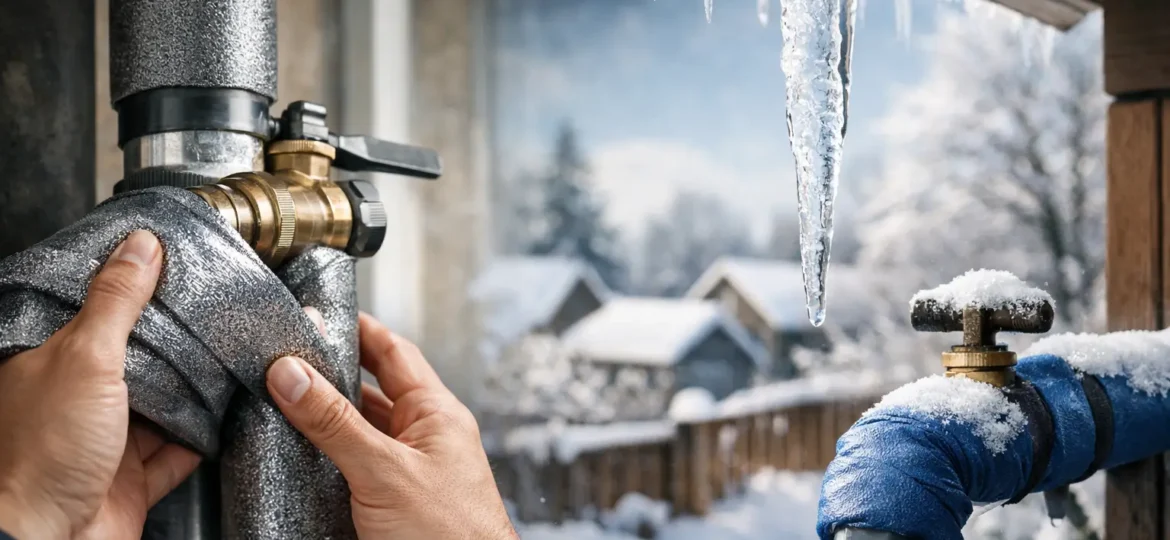
A hard Chattanooga freeze can turn a small plumbing weak spot into a major water damage problem overnight. Pipes in crawl spaces, exterior walls, garages, vacant rentals, and unheated utility rooms are the usual trouble spots. Knowing how to prevent frozen pipes before temperatures drop gives you a much better chance of avoiding a burst line, ruined flooring, and an emergency repair call.
Frozen pipes are not only a concern when snow is on the ground. A few hours below freezing can be enough when a pipe has little insulation and cold air is moving around it. The goal is simple: keep indoor plumbing warm, keep cold air out, and know where to shut off the water if something goes wrong.
Why Pipes Freeze and Burst
Water expands as it freezes. When ice forms inside a pipe, it can create pressure between the ice blockage and a closed faucet. That pressure can split copper, PVC, CPVC, or older galvanized pipe. The actual break may not be where the ice formed, either. A pipe can freeze in one area and burst several feet away at its weakest point.
Pipes near outside walls are especially vulnerable, but they are not the only risk. Many homes in this area have crawl spaces, attic runs, garage plumbing, or lines beneath kitchen and bathroom cabinets that can get cold fast. A missing crawl-space door, damaged foundation vent, loose insulation, or an open garage door can expose plumbing to freezing air.
Commercial properties have their own risks. Restroom lines, mop sinks, break rooms, vacant suites, exterior hose connections, and sprinkler-related plumbing in poorly heated areas all need attention before a cold snap. If a building sits empty overnight, do not assume it is protected just because the thermostat is set.
How to Prevent Frozen Pipes Before Cold Weather Arrives
Start with the pipes you can see. Insulate exposed water lines in crawl spaces, attics, garages, utility rooms, and under sinks on exterior walls. Foam pipe sleeves are useful for straightforward pipe runs, but they need to fit properly and be secured at seams. Insulation slows heat loss. It does not create heat, so it works best when the area is also protected from drafts.
Check doors, windows, crawl-space access panels, and openings where pipes enter the home. Cold air finds gaps that are easy to overlook. Seal obvious openings around plumbing penetrations and repair damaged weatherstripping. If your crawl space is vented, do not make major ventilation changes without understanding how the space is designed. The right approach depends on moisture conditions, insulation placement, and the type of foundation. However, broken panels and wide-open access doors should be addressed before freezing weather arrives.
Disconnect garden hoses from exterior spigots. A connected hose can trap water in the faucet and the pipe inside the wall. Drain the hose, store it, and shut off the interior valve feeding the outdoor faucet if your home has one. Then open the exterior spigot to let remaining water drain. Frost-free hose bibs help, but they can still freeze if a hose is left attached.
Know where your main water shutoff valve is and make sure it works. In an emergency, seconds matter. Every homeowner, landlord, maintenance manager, and responsible employee should know how to turn off the water supply. If the valve is seized, leaking, or hard to reach, get it repaired before winter puts it to the test.
Keep the Heat Steady, Even When You Are Away
During a freeze, keep the thermostat set to at least 55 degrees. More importantly, do not let the temperature swing dramatically overnight. Turning the heat down to save money can cost far more if a pipe breaks while the house is cold.
If you are leaving town, ask someone to check the property during extended cold weather. This is especially important for vacant homes, rental units between tenants, cabins, and commercial buildings closed for a holiday. A quick walkthrough can catch a failed furnace, a tripped breaker, a leaking pipe, or a cold utility room before the damage spreads.
Open cabinet doors below kitchen and bathroom sinks when temperatures are expected to stay below freezing. This lets warmer indoor air reach supply lines tucked against exterior walls. Move cleaners, chemicals, and anything children or pets should not access before leaving cabinet doors open.
For pipes that have frozen in the past, a controlled trickle of water can help during the coldest part of a hard freeze. Let both hot and cold water run slowly if the faucet is served by lines on an exterior wall. Moving water is less likely to freeze, but this is a short-term measure, not a substitute for insulation or proper repairs. It also adds to your water use and may be a poor choice if you have a septic system already under stress from heavy household water use.
Protect Crawl Spaces, Garages, and Other Cold Zones
Crawl spaces deserve close attention because a large portion of a home’s plumbing may run underneath the floor. Look for sagging or wet insulation, exposed pipe, standing water, missing access doors, and torn vapor barriers. Moisture problems can damage insulation and make the crawl space harder to protect from cold air.
If you use heat tape or heat cable on vulnerable pipes, choose a product rated for plumbing use and follow its instructions exactly. Never overlap heat tape unless the manufacturer specifically allows it. Inspect older heat tape for cracked insulation, loose connections, or damage from rodents. Faulty heat cable can be a fire and electrical hazard, so replacement is often safer than trying to patch a questionable setup.
Garages are another common problem area. Keep garage doors closed during freezing weather, especially if water heaters, laundry connections, or water lines run through the space. If a room above the garage has cold floors or poor heat, that may point to missing insulation or air leaks around pipes below.
What to Do If You Think a Pipe Is Freezing
A weak trickle from a faucet, frost on an exposed pipe, a cold wall behind a sink, or no water from one fixture can mean a pipe is beginning to freeze. Act early. Leave the faucet open so melting ice and pressure can escape, then safely warm the surrounding area.
Use warm air from a hair dryer, a space heater positioned well away from water and combustible materials, or warm towels around accessible pipes. Start warming near the faucet and work back toward the suspected frozen section. This allows water to flow as the ice melts.
Never use an open flame, propane torch, charcoal grill, or high-heat device to thaw plumbing. Fire damage, scorched framing, melted plastic pipe, and burns are not worth the risk. Do not hit or bend a frozen pipe. If the pipe is behind a wall, in a crawl space, or near electrical wiring, it is time to bring in a professional.
If you see a crack, active leak, wet drywall, or water pooling on the floor, shut off the main water supply immediately. Then open faucets to relieve pressure and reduce the amount of water left in the lines. Move valuables away from the affected area if it is safe to do so.
When a Frozen Pipe Needs Professional Help
Some freezes are simple to address. Others point to a bigger issue, such as failed insulation, an unheated section of plumbing, poor crawl-space conditions, or a pipe routed too close to an exterior wall. Repeated freezing is not normal maintenance. It is a problem worth fixing before the next cold snap.
A professional inspection can identify vulnerable pipe runs, damaged shutoff valves, failing heat cable, leaks in crawl spaces, and plumbing that needs to be rerouted or insulated correctly. For landlords and commercial property owners, a preventive inspection is often far less expensive than dealing with tenant disruption, cleanup, repairs, and lost operating time after a burst pipe.
Chatta-Rooter Plumbing handles emergency plumbing problems across the Chattanooga area, including burst pipes, water leaks, damaged shutoff valves, and cold-weather plumbing repairs. If water is already leaking or you cannot safely thaw the line, do not wait for the temperature to rise on its own.
The best time to protect your plumbing is before the forecast turns ugly. Walk the property, protect exposed lines, keep the heat steady, and make sure the water shutoff is ready. Those practical steps can keep one cold night from becoming a long, expensive cleanup.