

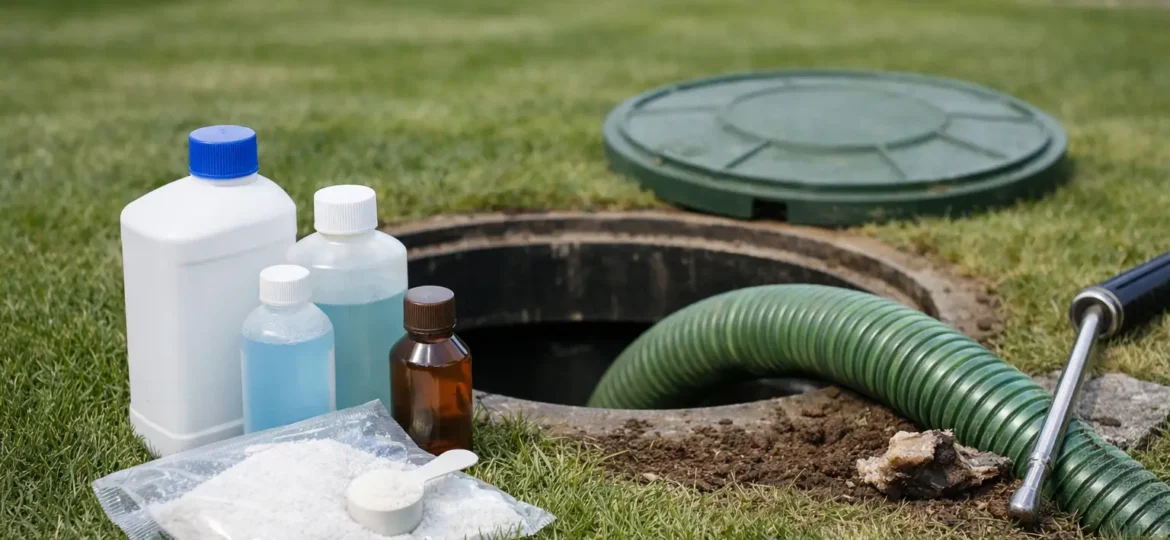
A septic tank that is working right does not need a bottle of chemicals poured into it every month. That is the straight answer. People searching for the best septic tank additives usually want to prevent a backup, eliminate odors, or stretch time between pump-outs. Some products may support a healthy system in limited situations, but no additive replaces pumping, inspections, or drain field repairs.
Your septic system is not a garbage disposal with a magic treatment plan. It is a working wastewater system with a tank, bacteria, baffles, pipes, and a drain field. If one of those parts has a real mechanical problem, an additive will not fix it.
What Septic Additives Are Supposed to Do
Most septic additives are sold as powders, packets, liquids, or tablets. They generally fall into two categories: biological treatments and chemical treatments.
Biological treatments contain bacteria, enzymes, or both. The idea is that they add helpful microorganisms that break down waste in the tank. In a healthy system, those bacteria are already present naturally. Wastewater from your home supplies what the tank needs to start and maintain the biological process.
Chemical treatments may use acids, solvents, surfactants, or other aggressive ingredients intended to break up grease, sludge, roots, or clogs. These products are where homeowners can get into trouble. A septic system needs balanced bacterial activity and a properly functioning drain field. Harsh chemicals can interfere with both.
The best question is not, “Which additive is strongest?” Ask, “What problem am I trying to solve?” A strong chemical may sound useful, but it can move solids out of the tank before they have settled properly. Those solids can then head toward the drain field, where expensive damage begins.
The Best Septic Tank Additives Are Usually Biological
If you decide to use an additive, a mild biological product is generally the safest category. Look for a treatment that is clearly labeled for septic systems and contains bacteria or enzymes rather than caustic chemicals, petroleum solvents, or disinfectants.
Even then, keep expectations realistic. A quality biological treatment may be reasonable after an event that has disrupted normal bacteria, such as heavy use of antibacterial products, a long vacancy, or certain medical treatments. It can also give a homeowner peace of mind as part of an otherwise solid maintenance routine.
But it will not dissolve years of sludge. It will not repair a cracked tank. It will not clear roots from a sewer line. It will not restore a saturated drain field. And it will not stop a backup caused by a full tank, failed pump, broken baffle, or clogged outlet filter.
A good rule is simple: use biological additives as optional maintenance support, not as a repair strategy.
Products and ingredients to avoid
Avoid products that promise to eliminate pumping forever, liquefy all solids, dissolve drain field clogs overnight, or replace a professional inspection. Those claims are a red flag.
Do not pour the following into a septic system unless a qualified septic professional has specifically advised it for your situation:
- Bleach in large or repeated amounts
- Drain cleaners containing strong acids or lye
- Paint thinner, gasoline, solvents, or motor oil
- Excessive antibacterial cleaners and disinfectants
- Chemical root killers not approved for septic use
- Additives marketed as sludge dissolvers or drain field “restorers”
Normal household use of soap, toilet cleaner, and occasional bleach is usually not a disaster. The problem is repeated heavy doses. A septic tank is built to handle normal living, not to process a steady flow of harsh chemicals.
What Actually Keeps a Septic System Healthy
The most effective septic maintenance is not exciting, but it works. Pump the tank on a schedule based on household size, tank size, usage, and system condition. Many homes need pumping every three to five years, while large families, rental properties, and homes with heavy water use may need service sooner.
Pumping removes the solids that bacteria cannot fully break down. Additives cannot do that job. When sludge and scum build up too high, they can leave the tank and enter the drain field. That can clog the soil and shorten the life of the entire system.
Water use matters too. A day of nonstop laundry, long showers, dishwasher cycles, and leaking toilets can overload a septic system. Spread water-heavy chores through the week when possible. Repair running toilets and leaking fixtures quickly. A small leak can send hundreds of extra gallons into the system over time.
Be careful about what goes down drains. Flush only toilet paper and human waste. Keep wipes, paper towels, grease, coffee grounds, dental floss, feminine products, cat litter, and food scraps out of the plumbing. “Flushable” wipes are one of the most common causes of preventable clogs.
Your drain field also needs protection. Do not drive, park, build, or place heavy equipment over it. Keep deep-rooted trees away from septic lines and the drain field. Surface water should drain away from the system, not pool above it.
Signs an Additive Will Not Solve the Problem
If your system is showing warning signs, skip the guesswork. Adding treatment to a failing system can delay the service you actually need.
Slow drains throughout the house, gurgling toilets, sewage odors outdoors, wet spots near the tank or drain field, sewage backing up into tubs or floor drains, and unusually green grass over the drain field all deserve attention. These signs can point to a full tank, blockage, damaged line, failed pump, or drain field issue.
A single slow sink may be a local drain clog. Multiple slow fixtures are different. When toilets, showers, and sinks all drain poorly, the trouble may be in the main line or septic system.
If sewage is backing up inside, stop using water as much as possible. Do not keep flushing to “push it through.” That can turn a limited backup into a cleanup problem. Call for septic service and let a trained technician determine whether the tank needs pumping, the line needs cleaning, or the system needs repair.
When Additives May Make Sense
There are a few situations where a biological septic additive may be a reasonable choice. A seasonal cabin that sits empty for months may benefit from a bacteria-based treatment when it returns to regular use. A household recovering from heavy use of antibiotics or disinfectants may choose one as a short-term support measure. Some homeowners also use approved biological products after a pump-out.
That does not mean every tank needs a monthly treatment. In fact, a well-maintained system with normal household waste often does just fine without one. Spending money on routine pumping and occasional inspection is usually a better investment than buying bottle after bottle of additive.
If you use a product, follow the label exactly. More is not better. Never mix products, and do not combine an additive with chemical drain cleaner in the same plumbing system.
Get the Real Problem Checked Before It Gets Expensive
Septic trouble rarely improves when ignored. A tank that is simply due for pumping is one thing. A damaged outlet baffle, blocked filter, crushed line, failing grinder pump, or saturated drain field needs a proper diagnosis.
For homeowners and property managers in the Chattanooga area, Chatta-Rooter Plumbing handles septic pumping, repairs, drain field concerns, sewer problems, and emergency backups. A professional inspection gives you facts instead of a guess based on a bottle label.
The practical move is to protect the system you already have. Use water wisely, keep harmful materials out of the drains, pump the tank before solids reach the outlet, and treat early warning signs seriously. That approach does more for your septic system than any “miracle” additive ever will.