

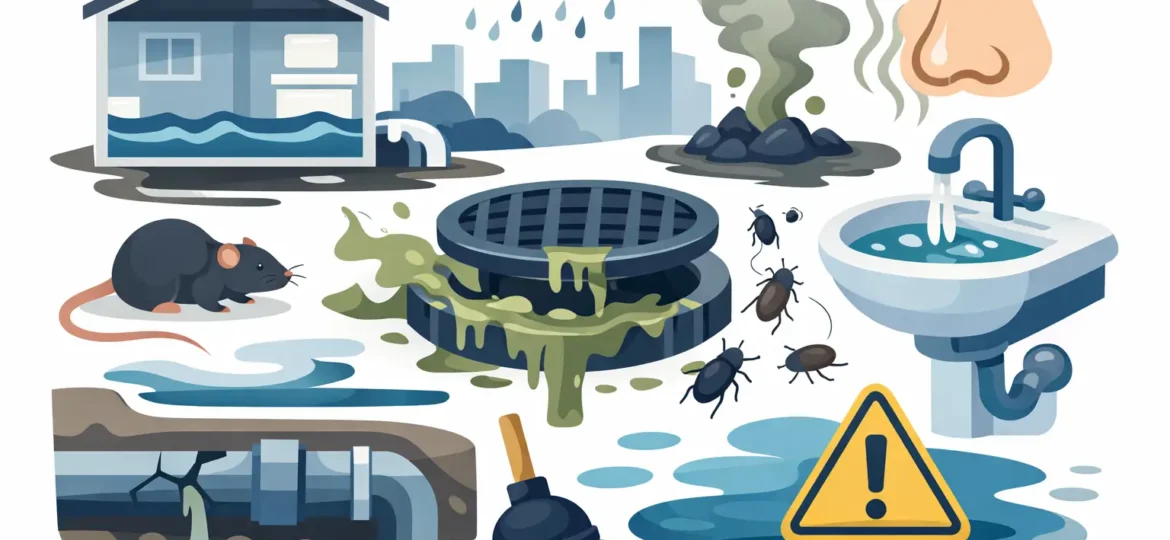
A sewer backup usually does not start with a dramatic flood. More often, it starts with something small that people ignore – a toilet that gurgles, a shower drain that stays slow, or a bad smell that keeps coming back. Those early warning signs of sewer backup matter because waiting can turn a manageable repair into a cleanup job that damages floors, walls, and anything stored nearby.
If wastewater has nowhere to go, it will find the lowest point and come back into your home or building. That can mean sewage in a basement, a backed-up floor drain, or multiple fixtures failing at once. The key is catching the problem before it gets that far.
Why sewer backup warning signs should never be brushed off
A single slow drain does not always mean your main sewer line is failing. Sometimes it is just a local clog in one sink or tub. But when several plumbing fixtures start acting up together, or when you notice sewage odors and bubbling drains, you may be dealing with a bigger problem in the sewer line or septic system.
That is where people lose time. They treat a whole-system problem like a minor clog. A bottle of drain cleaner or a plunger might seem like a quick fix, but it will not solve a crushed pipe, root intrusion, a full septic tank, or a blocked main line. In some cases, it can even make the situation worse.
9 warning signs of sewer backup
1. Multiple drains are slow at the same time
When one sink drains slowly, the issue is often isolated to that fixture. When the kitchen sink, bathtub, and toilet all start draining poorly, that points to a blockage deeper in the system. The main sewer line may be restricted, which means wastewater is backing up behind the clog.
This is one of the clearest signs that the problem is bigger than a simple hair clog or grease buildup in one pipe.
2. Toilets gurgle or bubble when other fixtures run
If you flush the toilet and hear odd bubbling, or if the toilet gurgles when the washing machine drains or the shower runs, pay attention. That sound often means air is trapped in the plumbing because wastewater is not moving through the line the way it should.
Gurgling is easy to ignore because everything may still be draining for the moment. But it is often an early signal that a blockage is building in the sewer line.
3. Water backs up in the tub or shower
One of the most common warning signs of sewer backup is water showing up where it should not. You might flush a toilet and then see dirty water rise in the shower or tub. That happens because lower drains are often the first place backed-up wastewater appears.
If the backup has any discoloration, debris, or foul smell, stop using water right away. Continuing to run sinks, toilets, dishwashers, or laundry can push more sewage into the building.
4. There is a sewage smell inside or outside
Sewer gas has a distinct smell, and it is not subtle. If your bathroom, basement, utility room, crawl space, or yard smells like sewage, there is a reason. Sometimes the cause is a dry trap or a vent issue. Other times, it points to a cracked line, a blockage, or sewage sitting where it should not.
Outdoor odors matter too. If part of the yard smells like a sewer, especially near the septic area or sewer line path, that can signal a leak, overflow, or failing drain field.
5. Floor drains start backing up
In many homes and commercial buildings, the basement or utility room floor drain is the first place sewage shows up during a main line blockage. That is because it is one of the lowest openings in the system.
A little standing water around a floor drain may not seem urgent, but if it appears after running water elsewhere in the building, that is a red flag. Wastewater may already be trying to come back through the line.
6. Your yard is soggy for no clear reason
A wet patch in the yard after heavy rain is one thing. A persistently soggy area when the weather has been dry is something else. If the ground near your sewer line or septic system stays wet, lush, or unusually soft, wastewater may be leaking underground.
With septic systems, this can also show up as standing water above the drain field. With sewer lines, you may notice one strip of yard staying greener or muddier than the rest.
7. The washing machine causes problems elsewhere
A washing machine dumps a lot of water fast. That makes it one of the easiest ways to expose a hidden sewer issue. If running a load of laundry causes a toilet to bubble, a floor drain to overflow, or a shower to back up, the system is warning you that the line cannot handle normal flow.
That does not mean the washer is the problem. It means the volume of discharge is revealing a restriction already in place.
8. You hear unusual noises in the pipes
Banging pipes are one issue. Drains making sucking, gulping, or bubbling noises are another. Strange drain sounds often happen when the plumbing system is struggling to move water and air through a partially blocked line.
Noise alone is not enough to diagnose the exact cause, but combined with slow drains or odors, it is a strong sign that you need the system checked.
9. Sewage comes up at the lowest drain first
When a main sewer line backs up, the lowest fixture usually takes the hit first. That may be a basement toilet, a floor drain, a downstairs shower, or a utility sink. If sewage or dirty water appears there, do not wait to see if it clears on its own.
At that point, the problem has moved past a warning sign and into active backup territory.
What causes these warning signs of sewer backup
The cause depends on the property and the system. In older homes, tree roots are a frequent problem. Roots work into small pipe joints and keep expanding until they catch paper and debris. In other cases, the line may be cracked, offset, bellied, or collapsed.
Inside the building, grease, wipes, paper towels, and hygiene products can create serious blockages. Outside, heavy rain can overwhelm weak systems, and septic tanks that are overdue for pumping can push wastewater back toward the house.
For commercial properties, grease buildup and high water use are common factors. For homes with pumps, grinder pump or sewage ejector pump failure can also mimic a sewer line problem. That is why a real diagnosis matters. The symptoms may look similar, but the fix is not always the same.
What to do if you notice the signs
First, stop using water. Do not keep flushing toilets, running the dishwasher, or starting another load of laundry. The more water you send into the system, the more likely it is to come back out where you do not want it.
Next, keep people and pets away from any contaminated area. Sewage is a health hazard, not just a plumbing problem. If wastewater is already on the floor, avoid direct contact and do not try to clean it up without proper protection.
Then call a plumber or septic professional with sewer and wastewater experience. This is not the time for guesswork. A proper inspection can show whether you are dealing with a main line clog, root intrusion, septic trouble, drain field failure, or a pump issue. A company like Chatta-Rooter Plumbing can pinpoint the problem quickly and explain the repair in plain terms, without wasting your time.
When it might be less serious – and when it is not
There are times when a symptom has a simpler cause. One slow bathroom sink might just need a local cleaning. A temporary odor could come from an unused drain with a dry trap. Not every plumbing issue means a full sewer backup is coming.
But if you have more than one sign at once, especially slow drains plus odors, gurgling, or backup at a lower fixture, treat it like a main line or septic issue until proven otherwise. Sewer problems get expensive when people wait.
The best move is early action
Most sewer backups give some warning before the mess starts. The trouble is that those warnings are easy to dismiss when the toilet still flushes or the shower eventually drains. If your plumbing is acting differently, trust what it is telling you. Catching the problem early is cheaper, cleaner, and a whole lot easier than dealing with sewage in your home or building.