

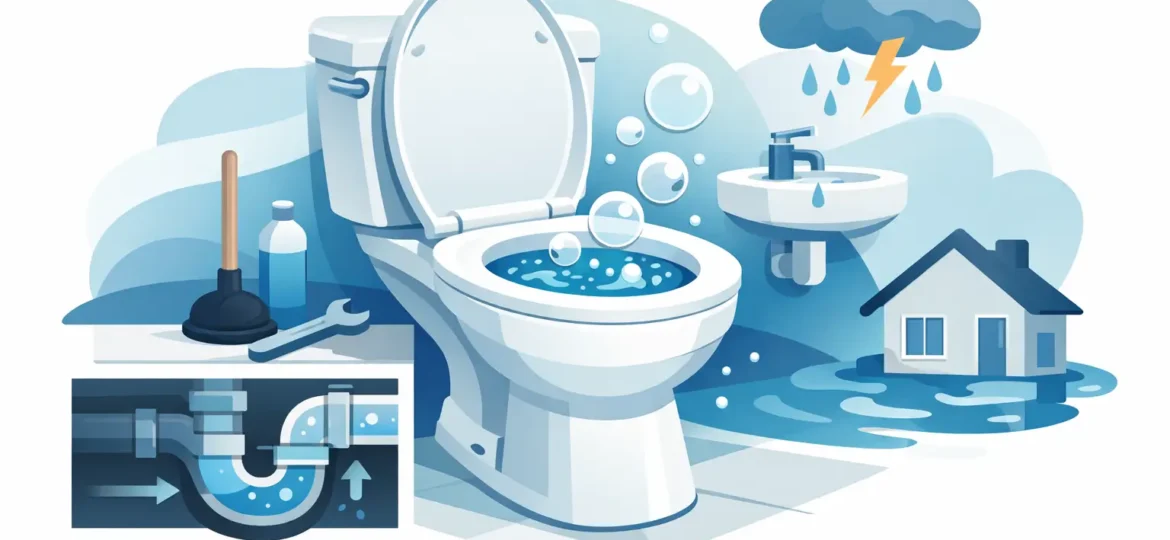
A toilet that starts gurgling or bubbling is not just making noise for no reason. If you are asking, why is my toilet bubbling, the short answer is this: air is getting trapped somewhere it should not be. That usually means a clog, a venting problem, or trouble deeper in the sewer or septic system. Sometimes it is a quick fix. Sometimes it is the first warning sign of a messy backup.
Why is my toilet bubbling in the first place?
Your plumbing system is supposed to move water and waste out while letting air flow through vent pipes. When that airflow gets blocked, pressure changes inside the drain lines. That pressure often shows up at the toilet because the bowl holds standing water and reacts fast. Instead of draining quietly, it bubbles, gurgles, or rises and falls.
The sound may happen when you flush the toilet, when you run the sink, when the shower drains, or even when the washing machine empties. That detail matters. A single bubbling toilet can point to a local clog near that bathroom. A toilet that bubbles when another fixture is used usually means the problem is farther down the line.
The most common causes of a bubbling toilet
A drain line clog near the toilet
This is the simplest possibility. Toilet paper buildup, wipes, paper towels, hygiene products, or too much waste can partially block the drain. Water can still squeeze past, but air gets pushed back toward the bowl. That creates the bubbling sound.
If the toilet has been slow to flush or needs more than one flush to clear, a nearby clog is a likely cause. In many homes, this can start as a minor blockage and get worse fast if people keep flushing.
A clogged plumbing vent
Your home has vent stacks that usually run through the roof. Their job is to let sewer gases escape and to balance air pressure in the drain system. If a vent gets blocked by leaves, animal nests, debris, or even ice in rare cases, the system cannot breathe right.
When that happens, your toilet may gurgle even though the drain itself is not fully clogged. Vent issues can be tricky because the symptoms look a lot like a drain blockage. The difference is that vent problems often affect multiple fixtures in odd ways, like slow drains in one room and bubbling in another.
A main sewer line blockage
This is where the problem gets more serious. If the main sewer line is clogged, wastewater from the whole house has nowhere to go. Air and pressure get forced back through the plumbing system, and the toilet is often the first place you notice it.
A main line issue usually brings more than just bubbling. You may also see tubs or showers backing up, toilets struggling to flush, foul odors, or water appearing in the lowest drains of the house. In a commercial building or multi-bathroom home, these symptoms can spread quickly.
Septic system trouble
For homes on septic, a bubbling toilet can be a warning that the tank is full, the outlet is restricted, the baffle is damaged, or the drain field is not accepting wastewater the way it should. This is one reason septic owners should never ignore bathroom drain noises.
A septic problem often starts with subtle signs. The toilet bubbles. Drains seem slower than usual. You notice wet spots in the yard or stronger sewage smells outside. If left alone, that small warning can turn into a full backup.
Municipal sewer issues or heavy rain conditions
In some cases, the problem is outside your property. After heavy rain, public sewer systems can become overloaded. If your neighborhood has aging sewer infrastructure, pressure changes or backups can affect homes on the line.
This is less common than a household blockage, but it happens. If several neighbors are dealing with similar plumbing problems at the same time, the issue may not be isolated to your home.
What the bubbling is trying to tell you
A bubbling toilet is basically a pressure warning. Your plumbing system is saying it cannot move water and air normally. The exact cause depends on what other symptoms show up with it.
If the toilet only bubbles when flushed, think local clog first. If it bubbles when the sink, shower, or washer drains, that points more toward a shared drain line or vent issue. If more than one fixture is backing up, start thinking main line or septic trouble.
That is why timing matters. So does location. A toilet on the first floor bubbling when an upstairs tub drains gives a different clue than a basement toilet bubbling on its own.
What you can safely check yourself
Start with the obvious. Ask whether anything besides toilet paper and human waste may have gone down the toilet. A surprising number of toilet problems come from so-called flushable wipes, kids’ toys, too much paper, or hygiene products.
Try a plunger first if the toilet is draining slowly or flushing weakly. Use a flange-style toilet plunger and make sure there is enough water in the bowl to cover the rubber cup. A few strong, steady plunges may clear a minor blockage.
Pay attention to the rest of the house. Run the bathroom sink, flush another toilet, or watch the tub drain. If using one fixture makes the toilet bubble, the issue is likely beyond the toilet itself.
You can also look outside for septic warning signs if your property is on a septic system. Soggy ground, sewage odors, or unusually green patches near the drain field can all point to a system problem.
What you should not do is keep flushing a struggling toilet to see if it clears. That is how a bubbling toilet turns into wastewater on the floor.
When a bubbling toilet is an emergency
Sometimes you have a little time to troubleshoot. Sometimes you do not. If sewage is backing up into tubs, showers, floor drains, or toilets, stop using water in the house right away. That includes laundry, dishwashing, and long showers.
If you are on a septic system and the toilet is bubbling along with multiple slow drains, do not wait for it to become a full overflow. The same goes for commercial properties where one blocked line can affect customers, staff, and sanitation compliance fast.
A bubbling toilet is an emergency when it comes with sewage smells indoors, repeated backups, water at floor drains, or signs that wastewater is not leaving the property. At that point, the problem is usually too deep for a store-bought fix.
Why store-bought drain cleaners are usually a bad move
For toilet bubbling, chemical drain cleaners rarely solve the actual problem. They do not fix venting issues, main line stoppages, septic failures, or solid blockages farther down the system. In some cases, they sit in the toilet or line and create a hazard for whoever has to work on it next.
They can also damage older pipes and waste your time while the real issue gets worse. If the bubbling is caused by a restricted sewer line or septic problem, chemicals will not change that.
How a plumber or septic pro diagnoses the issue
The right fix starts with the right diagnosis. A professional will usually look at the pattern of symptoms first. Are multiple fixtures affected? Is the home on city sewer or septic? Is the blockage local, in the main line, or related to venting?
From there, the next step may be drain snaking, main line cleaning, a sewer camera inspection, or a septic system evaluation. If the issue is in the vent stack, that has to be checked differently than a clogged toilet bend. If the problem is septic-related, the tank level, inlet and outlet flow, and drain field performance all matter.
This is where experience counts. Guessing can get expensive, especially if a bubbling toilet is really the first sign of a sewer line repair or septic pumping need. Companies like Chatta-Rooter Plumbing see this kind of problem regularly because bubbling fixtures are often tied to the same drain, sewer, and septic failures that cause full backups later.
How to keep it from happening again
The best prevention is simple, but it has to be consistent. Only flush what belongs in the toilet. Keep grease, wipes, and heavy solids out of drains. If your home has older sewer lines, recurring slow drains should be inspected before they become a blockage.
For septic systems, regular pumping and maintenance matter a lot. A healthy septic system usually gives warning signs before total failure, but only if someone pays attention to them. Toilet bubbling is one of those signs.
If your plumbing has been making noise for a while, do not wait for a holiday weekend or a full house of guests to force the issue. Small drainage problems rarely stay small for long.
A bubbling toilet is your chance to catch the problem early, before it becomes a backup, a cleanup bill, and a much bigger headache.