

A kitchen sink that keeps backing up, toilets that gurgle, or a commercial drain that clogs every few weeks all raise the same question: is hydro jetting worth it? When the problem is heavy grease, sludge, roots, or years of buildup inside a sewer line, hydro jetting can be one of the most effective ways to restore the pipe instead of just punching a small opening through the clog.
It is not the right answer for every drain problem. A simple sink stoppage may only need a cable machine. A cracked, collapsed, or badly deteriorated pipe may need repair before high-pressure cleaning is safe. The value comes from using the right tool after a real diagnosis.
What Hydro Jetting Actually Does
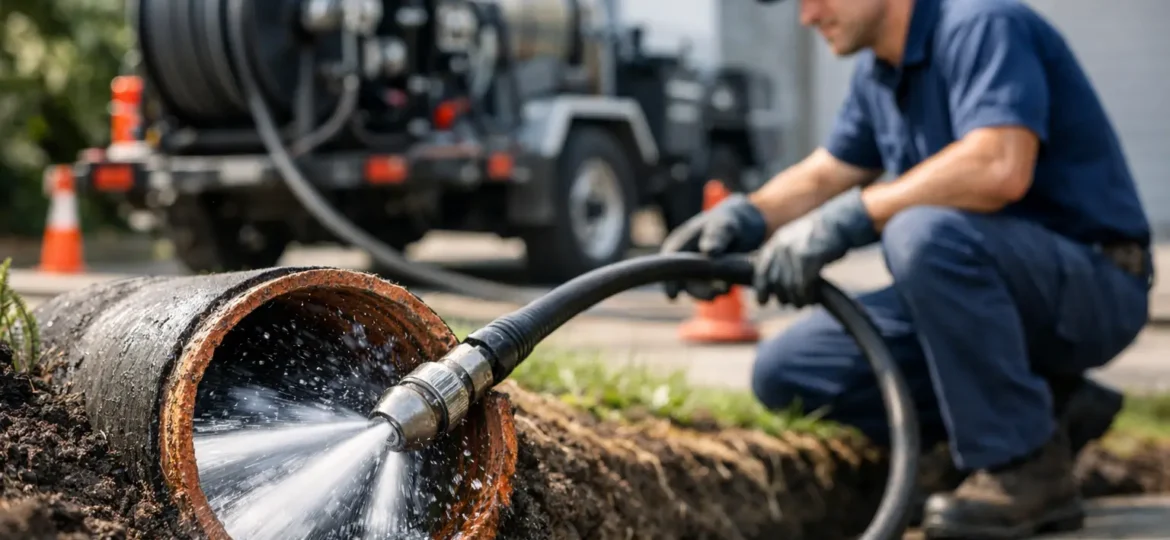
Hydro jetting uses a specialized hose and nozzle to send high-pressure water through a drain or sewer line. The nozzle breaks up blockages and scrubs the inner walls of the pipe as it moves through the line. Unlike a basic drain snake, which often cuts a narrow path through the obstruction, hydro jetting is designed to remove the material coating the pipe.
That difference matters. A cable can get water moving again, which is sometimes exactly what is needed in an emergency. But if grease, soap residue, mineral scale, or root growth remains on the pipe walls, the drain can clog again sooner than expected. Jetting is a more thorough cleaning method when buildup is the real issue.
For homes, hydro jetting is commonly used on main sewer lines, kitchen drains with grease buildup, and recurring bathroom drain problems. For restaurants, rental properties, offices, and other commercial buildings, it can help clear grease-heavy lines and reduce repeat service calls that disrupt the business.
Is Hydro Jetting Worth It for Recurring Clogs?
Usually, yes. If the same line has been snaked more than once and continues to back up, hydro jetting is often worth the higher upfront cost. Repeated clogs are a sign that the pipe is not getting fully cleaned or that a deeper issue is present.
Hydro jetting is especially valuable when the blockage is caused by buildup rather than a single object. Common examples include cooking grease in kitchen lines, wipes and paper products caught in sludge, soap scum in older bathroom drains, and tree roots entering a sewer line through weak joints. The water pressure can break apart and flush out material that a traditional cable may leave behind.
The best outcome is not simply a drain that works today. It is a line that stays open longer because the buildup has been removed instead of pushed aside.
That said, no drain-cleaning method can fix every problem. If a sewer camera inspection shows a broken pipe, a severe belly in the line, offset joints, or a collapse, cleaning may provide only temporary relief. In that situation, spending money on jetting without addressing the pipe condition may not be worth it.
When Hydro Jetting Makes the Most Sense
Hydro jetting is not a gimmick or a one-size-fits-all upsell. It is a heavy-duty cleaning service for tough drainage problems. It tends to make the most sense in a few situations.
First, it is a strong option for chronic main line backups. If multiple fixtures back up at once, such as a toilet bubbling when the washing machine drains, the blockage may be in the main sewer line. A thorough cleaning can remove the sludge and debris restricting flow.
Second, it works well for grease. Grease does not stay liquid once it cools in the pipe. It sticks to the inside of the line, catches food scraps and debris, and slowly narrows the pipe. This is a frequent issue in homes and a major concern for commercial kitchens. Hydro jetting can clean the line wall more effectively than simply cutting through the center of the grease.
Third, it can help with root intrusion when the pipe is still structurally sound. Roots seek moisture and can enter through small gaps in aging sewer lines. Jetting can cut and flush out root masses, but it does not seal the damaged joint or crack where the roots got in. If roots return, repair or replacement may be the long-term answer.
Finally, hydro jetting can be a smart preventive service for commercial properties with high drain use. Restaurants, apartment buildings, and facilities with busy restrooms often benefit from scheduled cleaning before a backup becomes an after-hours emergency.
When a Drain Snake May Be the Better Choice
A cable machine is still a valuable tool. For a small, isolated clog in a sink, tub, or toilet branch line, it may be faster and more cost-effective than bringing in hydro jetting equipment. If a child flushed an object or a single wad of material is stuck close to the fixture, the problem may not call for full line cleaning.
A professional should also be careful with old or questionable pipes. High-pressure water is powerful. Used correctly, it cleans a pipe without damaging it. But if the line is already cracked, collapsed, poorly connected, or made from severely deteriorated material, jetting can expose a problem that was already there or worsen a weak section.
That is why a camera inspection matters on many sewer-line jobs. It allows the technician to see what is causing the backup and check the condition of the pipe before recommending the next step. Honest drain service starts with knowing whether you are dealing with buildup, roots, damage, or all three.
What Affects the Cost of Hydro Jetting?
Hydro jetting costs more than a simple snaking service because it requires specialized equipment, training, setup, and often a camera inspection. The price can vary based on the length of the line, access to the cleanout, the severity of the blockage, and whether roots or heavy grease are involved.
A straightforward residential line with accessible cleanouts is usually less involved than a long commercial sewer line with repeated backups. Emergency timing can also affect the job. A backup at midnight, on a weekend, or during a busy business day may require faster dispatch and additional work to protect the property from sewage damage.
The lowest initial price is not always the lowest total cost. If a line is snaked every few months but keeps clogging, those repeat visits add up. A proper hydro jetting service may cost more once while reducing how often the line needs attention. On the other hand, if the camera reveals a damaged pipe, putting that money toward repair can be the smarter move.
Chatta-Rooter Plumbing provides upfront, flat-rate pricing and free in-person estimates so property owners can understand the recommendation before work begins. The goal is to fix the cause of the problem, not sell a service your line does not need.
Hydro Jetting and Septic Systems
For homes on septic, the drain line between the house and septic tank still needs to flow freely. Hydro jetting can be useful when that line is restricted by grease, sludge, roots, or buildup. But it should not be confused with septic tank pumping.
A full septic tank, a damaged baffle, a failed drain field, or a problem with an effluent pump can all cause slow drains and backups. Jetting the house sewer line will not correct a tank or drain field issue. If the backup is connected to the septic system, the technician needs to determine where the restriction actually is before cleaning the line.
This is particularly important when sewage is backing up into tubs, showers, or floor drains. Stop using water if possible and get the system checked quickly. More water can turn a manageable problem into a messy cleanup.
How to Get the Best Result From Hydro Jetting
The best hydro jetting jobs begin with the right questions. Is this the first backup or a repeat problem? Are several fixtures affected? Has the sewer line been inspected before? Are there large trees near the line? Is the home connected to a septic tank or city sewer?
A qualified technician uses those answers along with a physical inspection and, when needed, a sewer camera. This prevents guesswork. It also helps identify whether hydro jetting will deliver a lasting result or whether pipe repair, septic pumping, or another service is needed first.
Avoid pouring chemical drain cleaners into a repeatedly clogged line. Those products can be dangerous to handle, hard on certain pipes, and ineffective against serious root growth or heavy grease. They may also create a hazard for the technician who has to open and service the line later.
If your drains are slowing down, do not wait for sewage to reach the floor. Getting the line inspected while it is still draining gives you more options, clearer pricing, and a better chance to solve the problem before it becomes an emergency.