
A restroom backup during lunch rush, a sewer odor in an apartment hallway, or a clogged floor drain in a commercial kitchen can stop business fast. This commercial plumbing maintenance guide gives property owners and facility managers a practical plan for catching problems before they turn into expensive emergency calls.
Commercial plumbing takes more abuse than residential plumbing. More people use it, equipment runs longer, and a single failure can affect customers, tenants, employees, inventory, and health inspections. The goal is not to eliminate every repair. The goal is to find wear, buildup, and drainage trouble early enough to control the cost and avoid a shutdown.
Start With a Plumbing Maintenance Plan
A good maintenance plan is built around the systems your building actually uses. A restaurant needs close attention on grease, kitchen drains, and floor drains. An office building may need regular restroom inspections, water heater checks, and sewer line maintenance. A warehouse might depend heavily on floor drains, sump pumps, or a sewage ejector pump.
Walk the property and make a list of every major plumbing component. Include restrooms, break rooms, water heaters, main water shutoffs, sewer cleanouts, floor drains, grease interceptors, sump pumps, sewage ejector pumps, grinder pumps, and septic equipment if your property is not connected to municipal sewer.
Keep basic service records. Write down the date of drain cleaning, pumping, repairs, inspections, and recurring complaints. That record helps identify patterns. If the same restroom line clogs every few months, or one pump alarm keeps sounding after storms, there is usually a deeper issue that needs to be diagnosed instead of repeatedly patched.
Daily and Weekly Checks That Prevent Big Problems
Your staff does not need to be plumbing experts to spot warning signs. They do need to know what is normal for the building and when to report a problem. Slow drains, bubbling toilets, sewer smells, water around equipment, and changes in water pressure should never be ignored.
During normal cleaning and walkthroughs, check that toilets flush correctly, faucets shut off fully, and drains are moving water without standing puddles. Look under sinks for drips and inspect exposed supply lines for corrosion. A small leak may not seem urgent, but constant moisture can damage cabinets, flooring, drywall, and stored materials.
Floor drains deserve special attention. In many commercial properties, they are used only occasionally. When the trap dries out, sewer gas can enter the building and create a strong odor. Pouring water into seldom-used floor drains helps maintain the trap seal. If odors continue after the trap has water, have the drain and vent system inspected.
Keep drains clear of trash, paper towels, mop strings, food scraps, and other material that does not belong there. Disposable wipes, even products labeled flushable, are a common cause of commercial sewer backups. They do not break down like toilet paper and can hang up in fittings, pumps, and main sewer lines.
Keep Kitchen and Food-Service Drains Under Control
Grease is one of the toughest causes of commercial drain trouble. It may leave the kitchen as a warm liquid, but it cools inside the pipes and sticks to the walls. Over time, grease catches food particles and creates a hard blockage that can shut down sinks, dishwashers, and floor drains.
Train staff to scrape plates and pans into the trash before washing. Do not send cooking oil, grease, coffee grounds, rice, pasta, or large amounts of food waste down a sink. Hot water may move grease a little farther down the line, but it does not solve the problem. It simply moves the blockage to a less convenient location.
Grease interceptors and grease traps need scheduled cleaning based on how much your kitchen produces. There is no one-size-fits-all interval. A busy restaurant may need frequent service, while a smaller operation may need less. Waiting until the kitchen drain is slow is too late. Grease maintenance should be planned before the interceptor becomes overloaded.
Protect Sewer Lines and Septic Systems
Your building’s main sewer line carries every flush, sink discharge, and drain load away from the property. When it backs up, the damage can be immediate. Sewage can spread through restrooms, kitchens, utility rooms, and lower-level spaces. That is why main line cleaning and camera inspections are smart preventive work for high-use commercial properties.
A sewer camera inspection can show whether a line is collecting grease, sagging, cracked, invaded by roots, or damaged by shifting soil. Hydro jetting can remove heavy grease and buildup when the pipe is structurally sound. If the line is broken or badly deteriorated, aggressive cleaning alone will not fix it. The right repair depends on what the camera finds.
For properties with septic systems, pumping is not optional maintenance. Solids build up in every septic tank. If they are not removed on schedule, they can move into the drain field and cause a much more expensive failure. Pumping frequency depends on tank size, occupancy, water use, and the type of business, but a professional inspection can set a realistic service schedule.
Never treat septic tanks as garbage cans. Wipes, grease, chemicals, paper products, and excess solids can damage the system or shorten the life of the drain field. If your business uses a grinder pump or sewage ejector pump, keep employees from flushing items that can jam the equipment. One bad flush can create a messy after-hours emergency.
Inspect Pumps Before They Fail
Sump pumps, sewage ejector pumps, and grinder pumps work behind the scenes until they do not. A failed pump can lead to flooding, sewage backup, or a system alarm that cannot wait until the next business day.
Test pumps regularly according to the equipment type and manufacturer guidance. Check for unusual noise, vibration, frequent cycling, visible leaks, and alarms. Make sure float switches move freely and that pump pits are not filled with debris. Battery backup systems should also be tested, especially before periods of heavy rain.
If a pump has started running more often than usual, do not assume it is doing its job better. It may be struggling with a partial blockage, failing float, worn motor, or incoming water problem. Early service is cheaper than replacing damaged flooring or dealing with a sewage cleanup.
Schedule Professional Commercial Plumbing Maintenance
Some work belongs on a regular professional service schedule. The right frequency depends on the building, but most commercial facilities benefit from planned drain cleaning, main sewer inspection, water heater evaluation, pump checks, and septic service when applicable.
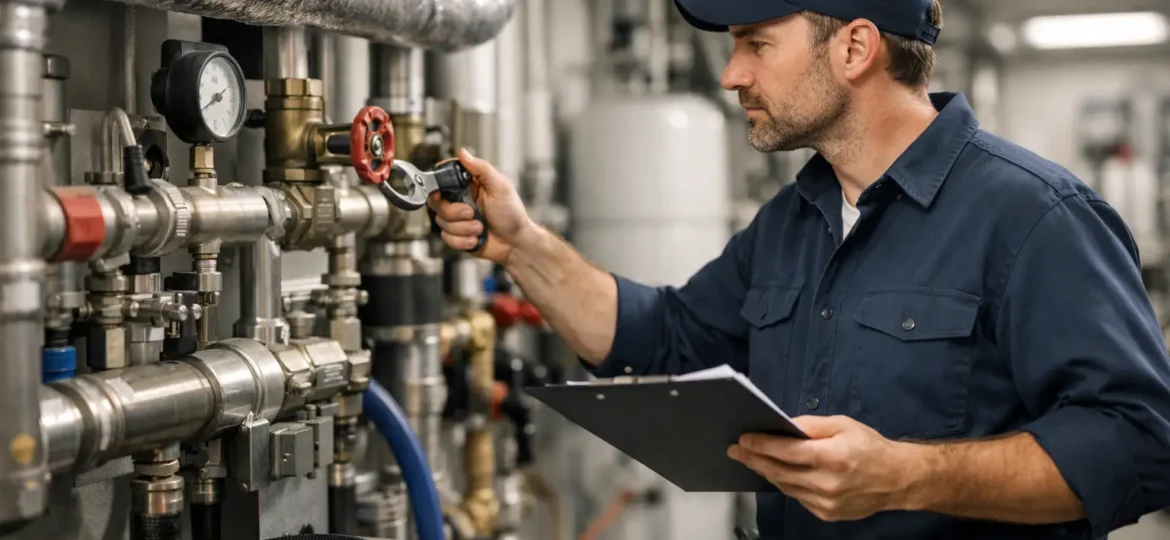
A qualified plumbing team can inspect areas that are easy to miss during a normal walkthrough. They can identify developing line restrictions, worn valves, pressure issues, corrosion, and equipment that is nearing failure. This gives you time to plan repairs around business hours instead of reacting to a flood, backup, or closed restroom.
For Chattanooga-area businesses, Chatta-Rooter Plumbing can handle difficult drain, sewer, pump, and septic problems when regular maintenance finds an issue that needs real repair. Upfront pricing and a clear diagnosis matter when you are responsible for a property and need answers quickly.
Know When to Call for Help Immediately
Some plumbing problems should not wait for the next scheduled visit. Call for service right away if you have sewage backing up from drains, multiple toilets clogging at once, water leaking near electrical equipment, a sewage pump alarm, no hot water in a high-use facility, or a sudden sewer odor that will not go away.
Shut off water to the affected fixture if it is safe to do so. Keep customers and staff away from sewage-contaminated areas, and do not use chemical drain cleaners in an active backup. Those chemicals rarely clear a commercial blockage and can make conditions more dangerous for the technician who has to work on the line.
The best maintenance plan is the one your team can actually follow. Build simple checks into daily operations, schedule professional service before trouble starts, and treat slow drains and pump alarms like early warnings. That approach keeps your facility cleaner, your repair costs lower, and your doors open when your customers need you.