

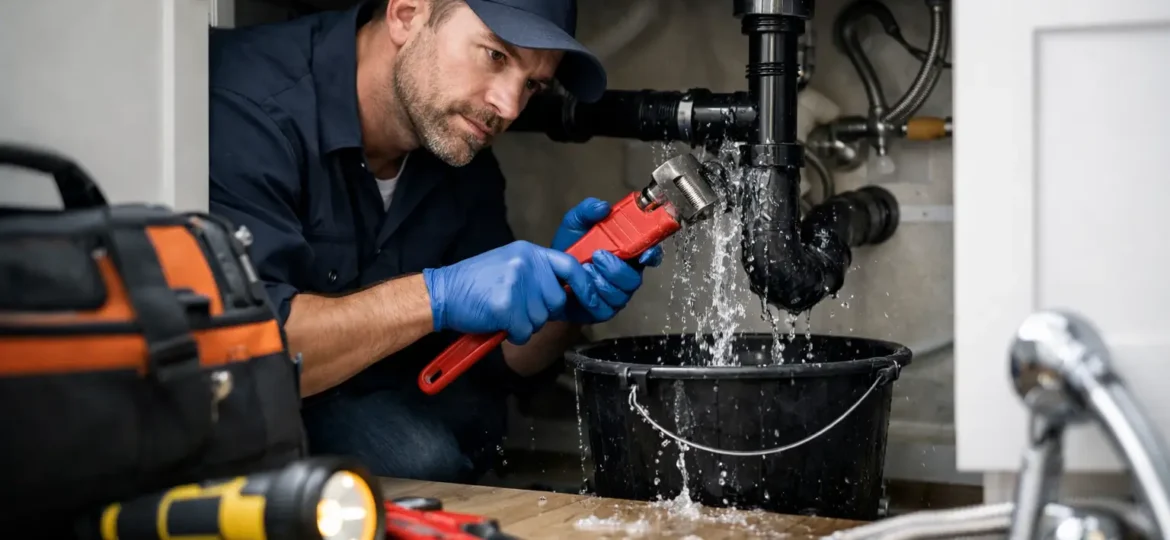
Water coming through a ceiling at 2 a.m. is not the time to start guessing. Neither is a toilet backing up into a bathroom before guests arrive, or a septic alarm going off behind a busy restaurant. A solid guide to emergency plumbing response helps you stay calm, limit damage, and make smart decisions before a plumber gets on site.
The first thing to know is that not every plumbing problem is a true emergency, but the ones that are can get expensive fast. The difference usually comes down to risk. If water is actively damaging the structure, sewage is coming into the building, or a system failure is making the property unsafe or unusable, treat it like an emergency.
What counts as an emergency plumbing response
A dripping faucet is annoying. A burst pipe, sewer backup, overflowing toilet that will not stop, failed water heater leaking onto the floor, or septic backup into the home is a different story. These problems can damage flooring, drywall, electrical systems, furniture, inventory, and in some cases your health.
The same goes for commercial properties. A clogged drain in a break room sink may wait until morning. A sewage ejector pump failure in a multi-tenant building usually cannot. If wastewater has nowhere to go, operations can shut down in a hurry.
That is why emergency plumbing response is about more than fixing a broken part. It starts with containment. The first job is to stop water or sewage from spreading, reduce risk to people on site, and keep the problem from getting worse.
The first five minutes matter most
When plumbing fails, speed matters, but so does control. Running from fixture to fixture without a plan wastes time. Start with the source if you can identify it safely.
If a supply line has burst under a sink or behind a toilet, shut off the nearest fixture valve first. If that valve is stuck, broken, or not stopping the flow, go straight to the main water shutoff for the building. Every homeowner and building manager should know where that valve is before an emergency happens. If you do not, finding it now is easier than finding it while standing in water.
If the problem is a drain backup or suspected sewer issue, do not keep using sinks, showers, dishwashers, or toilets. That mistake turns a small backup into a full spread. Wastewater follows the path of least resistance, and that usually means the lowest drain in the building.
Electricity is the next concern. If water is near outlets, appliances, a breaker panel, or extension cords, stay clear of the area until power can be safely shut off. Plumbing emergencies and electrical hazards are a bad mix.
A practical guide to emergency plumbing response by problem type
Different plumbing emergencies need different first moves. The goal is always the same – stop the damage and protect the property – but the steps depend on what failed.
Burst pipes and active leaks
A burst pipe is one of the most urgent calls because clean water can still do major damage. Shut off the main water supply, then open a nearby faucet to relieve pressure in the lines. If possible, move rugs, furniture, boxes, and electronics out of the wet area.
Do not tear into walls unless there is no other choice to stop severe damage. People often make repairs harder by opening too much drywall before the line is properly diagnosed. A plumber can usually pinpoint the issue faster with the right equipment and a controlled work area.
Overflowing toilets
If a toilet is rising and close to spilling, remove the tank lid and push the flapper down to stop more water from entering the bowl. Then turn off the shutoff valve behind the toilet. If the overflow happened after a flush and the bowl is still full, do not flush again.
One clogged toilet may be a local issue. Multiple slow drains or backups at the same time often point to a larger drain or sewer line problem. That is the kind of detail your plumber needs right away.
Sewer backups
Sewage in the home or business is an emergency. Keep people and pets away from the affected area. Do not try to run more water, and do not use chemical drain products. They rarely fix a true sewer blockage and can make cleanup and repair more hazardous.
If the backup is isolated to a basement drain or lower bathroom, that usually means the system is pushing back at its lowest exit point. In homes with septic systems, this can point to a full tank, drain field issue, line blockage, or pump problem. In city sewer systems, it may be a main line stoppage, root intrusion, collapse, or heavy blockage.
Water heater failures
If a water heater is leaking from a connection, the fix may be straightforward. If the tank itself is leaking, the unit is usually done. Shut off the water supply to the heater and, if safe, turn off the power source. For electric units, use the breaker. For gas units, turn the gas control to off and leave anything beyond that to a trained technician.
A failing water heater can dump a surprising amount of water fast. If it sits in a utility room next to finished space, move quickly to contain it.
Sump pump, grinder pump, and sewage ejector pump failures
These systems do critical work in the background until they stop. A sump pump failure can lead to flooding. A grinder pump or sewage ejector pump failure can stop wastewater movement altogether. If alarms are sounding, drains are backing up, or pits are overflowing, stop sending more water into the system.
This is especially important for homes or businesses that rely on pumps to move wastewater uphill or over distance. Keep use to an absolute minimum until the system is checked.
What not to do during a plumbing emergency
Bad decisions in the first half hour can add cost to the repair. The biggest mistake is trying one more flush, one more cycle of the washing machine, or one more shower to see if the problem clears. If drainage is compromised, more water usually means more damage.
Another mistake is pouring drain cleaners into backed-up fixtures. On simple sink clogs, they often do little. On serious blockages, they create a chemical hazard for anyone who has to open the line. The same goes for using makeshift tools too aggressively. A homeowner-grade auger can help in some cases, but it can also damage porcelain, scratch fixtures, or get stuck in the line.
And if the problem involves sewage, do not treat it like ordinary dirty water. Porous materials may need special cleanup, and contaminated areas need proper sanitation.
What to tell your plumber when you call
A fast, accurate dispatch starts with good information. Say what is happening now, not just what you think caused it. “Water is pouring from the ceiling below the upstairs bathroom” is better than “I think a pipe might be bad.”
Be ready to explain whether you have shut off the water, whether sewage is involved, which fixtures are affected, and whether the issue is isolated or happening across the property. If you are on a septic system, say that up front. Septic backups, pump failures, and tank-related issues require a different troubleshooting path than city sewer problems.
If you manage a commercial property, mention access points, business hours, and whether customers or tenants are affected. That helps the crew show up ready.
Prevention is part of emergency response
The best guide to emergency plumbing response includes what you do before anything goes wrong. Know where your shutoffs are. Test them once in a while. Pay attention to slow drains, gurgling toilets, wet spots in the yard, sewage odors, pump alarms, and recurring backups. Those are warning signs, not random annoyances.
For septic systems, regular pumping and inspection matter more than people think. A neglected system often gives subtle clues before it turns into a full backup. The same is true for aging water heaters, corroded supply lines, and overworked sump pumps.
This is where experience counts. A company like Chatta-Rooter Plumbing is built for the ugly jobs people hope never happen – backups, pump failures, sewer trouble, septic emergencies, and water damage situations that need a quick, honest response.
When to call right away
Call for immediate help when you cannot stop active water flow, when sewage is entering the property, when a main drain is backing up, when a pump system has failed, or when plumbing problems create a safety issue. If the building cannot be used normally, that is usually your answer.
Some situations can wait a few hours. Many should not. The trick is not pretending a serious problem will stay small until morning.
A plumbing emergency does not need perfect troubleshooting from you. It needs quick action, clear information, and the good sense to stop feeding the problem. If you can do that, you give the repair crew a better starting point and give your property a better chance of coming through with less damage.