

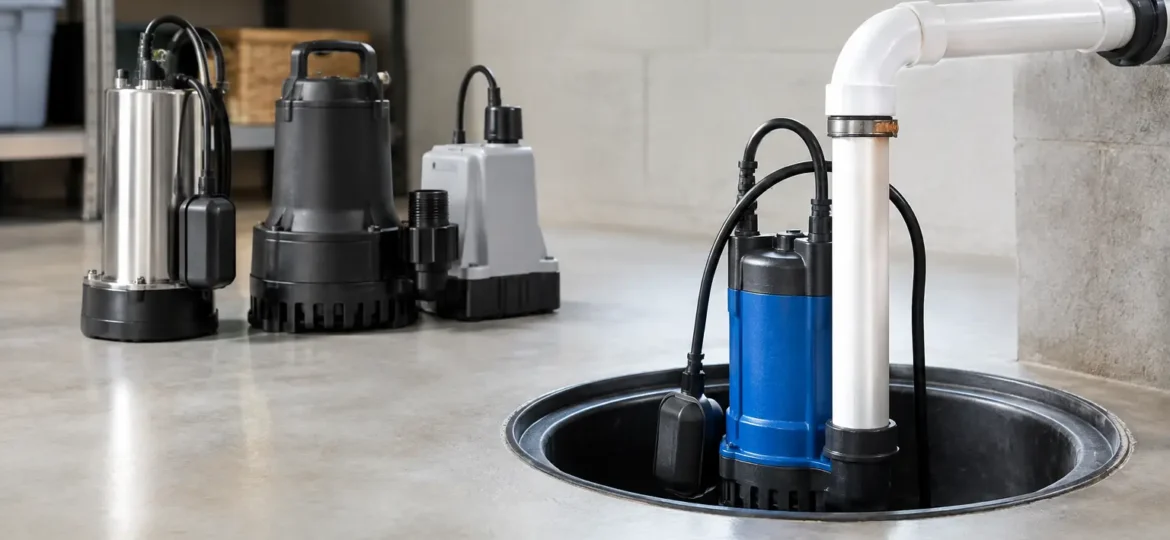
Water in a crawl space, basement, or low-lying utility room is not a minor inconvenience. It can damage framing, create mold conditions, ruin stored belongings, and put electrical equipment at risk. The right sump pump options give that water a controlled path out before it becomes an expensive cleanup job.
For homes and commercial properties around Chattanooga, the best choice depends on the space, groundwater conditions, stormwater volume, power reliability, and where the discharge line can safely send water. A sump pump is not a one-size-fits-all purchase. Choosing the wrong style, undersizing the pump, or ignoring backup power can leave a property vulnerable when rain is coming down hardest.
Start With the Sump Pit and Water Problem
A sump pump sits in a basin or pit at the lowest point of an area prone to collecting water. As the pit fills, a float switch turns the pump on. The pump sends water through a discharge pipe and away from the foundation.
Before picking a pump, identify what is entering the pit. Groundwater seepage, runoff moving toward the foundation, condensate drainage, and drainage-system water can all be handled by a properly designed sump system. Sewage cannot. If wastewater is involved, the property may need a sewage ejector pump or grinder pump instead. Those systems are built for a different job and require the right equipment.
The pit also matters. A pump cannot perform well if the basin is too small, full of mud, or missing a proper lid. The discharge line needs to carry water well away from the building without dumping it beside the foundation or creating a slippery, washed-out area.
Main Sump Pump Options for Homes and Businesses
Submersible sump pumps
A submersible pump sits down inside the sump basin. It is the most common choice for homes with a finished or unfinished basement, crawl space drainage system, or a pit that needs a covered lid. Because the motor is inside the basin, submersible units are generally quieter than pedestal models and do not take up room above the pit.
This is usually the better choice when appearance, noise, and safety matter. A sealed basin lid can help limit moisture and keep debris out of the pit. The trade-off is that submersible pumps are harder to access for service, and the motor works underwater. Quality matters here. A cheap unit may cost less at the counter but can be a poor deal if it fails during the first major storm.
Pedestal sump pumps
A pedestal sump pump has a motor mounted above the pit, with the pump body lower in the basin. The design makes the motor easy to reach, inspect, and replace. Pedestal pumps can also work in narrower or shallower pits where a full submersible unit will not fit properly.
The downside is noise and exposure. The motor stays above the basin, so these units are more noticeable and need protection from accidental bumps, dust, and stored items. They are often a practical fit for unfinished utility areas, garages, and older homes where the sump pit does not have much room.
Battery backup sump pumps
A standard primary pump is only useful while the power is on. That becomes a problem because heavy storms can cause the exact outage that shuts down the pump when the water level is rising. A battery backup sump pump provides a second layer of protection when the primary pump loses power or cannot keep up with incoming water.
A backup system is especially worth considering if the property has a history of flooding, the sump pit fills quickly, or nobody is home during the day. Landlords and commercial property owners also benefit from the added protection because a flooded lower level can quickly turn into a tenant, inventory, or business interruption problem.
Battery backups have limits. They run for a limited time based on battery condition, pump size, and how often the system cycles. The battery must be tested and replaced when needed. It is protection, not a reason to ignore drainage problems or assume the system can run forever during a long outage.
Combination sump pump systems
A combination system pairs a primary AC-powered pump with a battery backup pump in the same basin. For many properties, this is the strongest all-around setup. The primary pump handles everyday water removal, while the backup is ready for power loss, primary-pump failure, or unusually high water levels.
Combination systems cost more up front, but they reduce the chance that one failed component turns into major water damage. For a finished basement, a crawl space with HVAC equipment, or a business with valuable equipment below grade, the extra protection often makes sense.
Water-powered backup pumps
Water-powered backups use municipal water pressure to create suction and remove sump water when electricity is unavailable. They do not rely on a battery, which can be appealing during extended outages.
However, they are not right for every property. They require a dependable municipal water supply, can use a significant amount of water, and may not be permitted or practical in every setup. Homes on wells generally should not rely on this approach because well pumps also need electricity. A professional can determine whether this option fits local requirements and the property’s plumbing layout.
How to Choose the Right Pump Size
Pump capacity is usually measured in gallons per hour, but bigger is not automatically better. A pump has to lift water vertically and push it through a discharge pipe. That lift is called head height. The higher and farther the water must travel, the more performance is required.
A pump should be sized for the actual water load and the discharge route. An undersized pump may run constantly and fall behind. An oversized pump can short-cycle in a small basin, causing unnecessary wear on the motor and float switch. The right answer comes from looking at the pit size, incoming water volume, pipe diameter, vertical lift, and how the system behaves during a hard rain.
Cast-iron pumps are generally a solid choice for demanding service because they dissipate heat well and stand up to regular use. Plastic-bodied pumps can be suitable for lighter-duty applications, but the expected workload should drive the decision. A dependable float switch is just as important as the motor. Many sump pump failures begin with a stuck or worn switch, not a burned-out pump.
Installation Details That Make or Break the System
A good pump installed poorly is still a bad system. The discharge pipe needs a check valve so water does not drain back into the pit every time the pump shuts off. It should also have a union or accessible connection so the pump can be serviced without cutting apart the plumbing.
Outside, the discharge must direct water away from the structure. Sending it a few feet from the wall is rarely enough. If the grade slopes back toward the house, that water can work its way right back to the foundation and force the pump to run again.
The basin should be clean, properly sized, and covered where appropriate. The electrical connection should be protected, and the pump should have a dedicated outlet whenever possible. Extension cords are not a permanent sump pump solution. They can create a safety hazard and make it easier for the plug to get knocked loose when you need the pump most.
Don’t Skip Testing and Maintenance
A sump pump can sit quietly for months, which makes it easy to forget until the next storm. Test it several times a year by slowly pouring water into the pit until the float activates. Confirm that the pump starts, moves water, shuts off, and that water is discharging where it should.
Keep the pit clear of gravel, mud, leaves, and loose items. Check that the discharge outlet is not blocked by soil, ice, mulch, or debris. If you have a battery backup, inspect the battery and alarm according to the manufacturer’s schedule. An alarm can provide early warning when the water level rises too high or the primary pump stops working.
If your pump runs constantly, makes unusual noise, trips a breaker, fails to start, or leaves standing water in the pit, do not wait for the next storm. Those are warning signs that deserve attention now.
When It’s Time to Call a Professional
Some sump pump replacements are straightforward, but system design problems are not always obvious. Repeated flooding can point to an undersized basin, poor exterior drainage, a failing check valve, clogged drain tile, or a discharge line that is routed wrong. Replacing the pump without finding the cause can waste money and leave the property exposed.
Chatta-Rooter Plumbing can assess the pump, pit, discharge route, and the drainage conditions around your property, then recommend equipment that matches the job. You should get a clear explanation of what is failing, what needs to be corrected, and what the repair or replacement will cost before work begins.
The best time to decide between sump pump options is when the pit is dry and the weather is calm. A working pump, a clear discharge route, and a tested backup plan can save you from making rushed decisions with water already on the floor.