

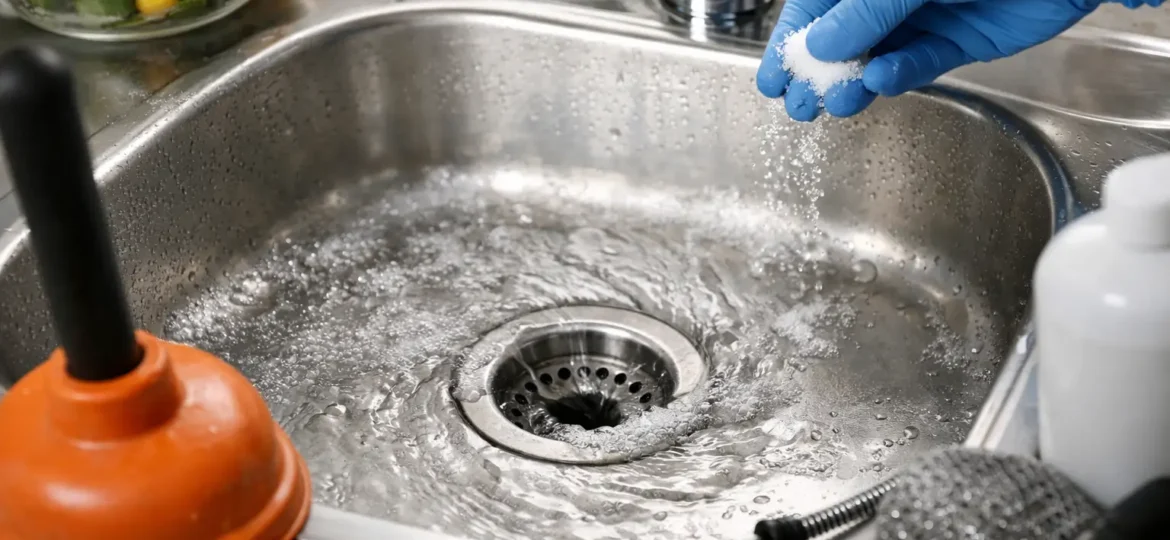
That slow swirl in the kitchen sink is usually the warning shot. If you want to know how to avoid drain clogs, the answer is not one magic product or one monthly chore. It comes down to what goes into your drains every day, how your plumbing is used, and whether small warning signs get handled before they turn into a backup.
Most clogs build over time. Grease sticks to pipe walls. Hair catches soap residue. Food scraps settle where water flow is already weak. In homes with older plumbing or heavy use, that buildup happens even faster. The good news is that preventing drain problems is usually a lot cheaper and easier than clearing a major blockage after the fact.
How to avoid drain clogs starts with what you keep out
The biggest mistake people make is treating the drain like a trash can. A garbage disposal helps with soft food residue, but it does not make your kitchen drain invincible. Grease, oil, and fats are some of the worst offenders because they may go down as a liquid, then cool and harden inside the pipe.
Coffee grounds are another common problem. So are eggshells, pasta, rice, and fibrous scraps like celery peels. Some of these items seem harmless because they are small, but they collect quickly and create a sticky mass when mixed with grease.
In the bathroom, hair is the main issue. Hair alone is bad enough, but when it combines with soap scum, toothpaste, and shaving residue, it forms a thick blockage that can choke off a tub or shower drain. Flushable wipes cause even bigger trouble. Despite the label, they do not break down like toilet paper, and they are a frequent cause of toilet and sewer line backups.
If you only change a few habits, make them these: scrape plates into the trash, pour cooking grease into a container instead of the sink, and keep wipes, paper towels, cotton balls, and hygiene products out of the toilet.
Use simple drain protection that actually works
A cheap drain screen does more good than most bottled drain products. In kitchen sinks, it catches food particles before they enter the line. In showers and tubs, it stops hair at the surface where it is easy to remove.
That matters because once debris gets past the opening, it does not always wash straight through. It can snag at joints, rough spots, or areas with older pipe buildup. One small screen can stop that chain reaction before it starts.
You do have to clean the screen regularly. If it is packed with hair or food and left sitting there, water flow drops and people take the screen out altogether. A quick rinse every few days is enough for most homes.
For toilets, protection is more about rules than hardware. Only human waste and toilet paper should be flushed. That sounds basic, but a lot of expensive plumbing calls start with someone flushing wipes, paper towels, feminine products, or too much toilet paper at once.
Be careful with hot water and soap myths
A lot of people believe that if they run hot water after grease or soap, the problem is solved. Sometimes it helps in the short term, but it is not a real fix. Hot water may move grease farther down the line, where it cools and sticks somewhere you cannot reach.
The same goes for heavy soap use. Some soaps leave behind residue that clings to pipe walls, especially in bathroom drains. Over time, that film traps hair and dirt. Liquid soap tends to leave less buildup than bar soap, but the bigger issue is still what is collecting in the line.
If you want a safe maintenance habit, flush kitchen and bathroom drains with hot water after normal use, not after dumping problem materials down them. That helps rinse away everyday residue. It does not give grease, wipes, or food scraps a free pass.
How to avoid drain clogs without damaging your pipes
Chemical drain cleaners are often marketed like an easy answer, but they come with trade-offs. They may eat through part of a soft blockage, but they can also sit in the trap or pipe and create heat that is hard on older plumbing. If the clog is stubborn, you are left with standing water and harsh chemicals in the drain, which makes the job nastier and more dangerous for whoever has to clear it.
For light maintenance, a better option is physical cleaning. Remove visible debris from stoppers and drain covers. Use a basic hand snake for shallow hair clogs if you are comfortable doing it. For kitchen sinks, keeping food and grease out in the first place does more than any bottle under the cabinet.
Natural methods get overstated too. Baking soda and vinegar will not clear a serious blockage buried deeper in the line. At best, they may freshen a drain or loosen minor surface residue. They are not a substitute for proper cleaning when a drain is already slowing down.
Pay attention to early warning signs
Most major drain problems do not come out of nowhere. They start with slow drainage, recurring gurgling, bubbling in the toilet, foul drain odors, or water backing up in one fixture when another is used. Those signs matter because they tell you where the problem may be developing.
A single slow bathroom sink often points to a local clog near the drain opening. A tub that backs up when the toilet flushes can signal a larger branch line issue. Multiple drains acting up at once may mean a sewer line blockage, and that is where DIY guessing can waste a lot of time.
This is where prevention becomes more than daily habits. If you address a partial blockage early, it is usually a straightforward drain cleaning job. If you ignore it until wastewater starts coming back into the home or building, the repair gets more expensive, more disruptive, and a lot more unpleasant.
Kitchen, bathroom, and main line clogs are not the same
One reason people struggle with prevention is that not all clogs have the same cause. Kitchen drains usually clog because of grease, food debris, and soap film. Bathroom drains are typically about hair and residue. Toilets clog from improper flushing or too much paper. Main sewer lines can clog because of buildup, shifting pipes, root intrusion, or a damaged line.
That last category matters because you can do a lot right inside the house and still have trouble if the sewer line has structural problems. If clogs keep returning, especially in an older property, prevention may require more than changing habits. It may take a camera inspection, professional drain cleaning, or hydro jetting to fully clear the line and see what is really going on.
For homes on septic systems, drain behavior also ties back to the health of the system. Heavy solids, grease, and non-flushable materials do not just threaten indoor drains. They can create bigger septic and wastewater problems over time. Good drain habits protect more than the sink or toilet right in front of you.
A maintenance routine that makes sense
You do not need a complicated checklist. What works is consistency. Clean drain screens, keep grease and food waste out of the kitchen sink, pull hair from shower drains, and pay attention when water starts moving slower than usual.
If your home has a history of drain problems, it may be smart to schedule periodic professional drain cleaning before you have an emergency. That is especially true for large households, rental properties, restaurants, or buildings with older pipes. Preventive service costs less than an after-hours backup, and it gives you a chance to catch developing issues before they turn into sewage cleanup or line repair.
At Chatta-Rooter Plumbing, we see the same pattern again and again. Small habits prevent a lot of big plumbing bills, but recurring clogs usually mean there is a deeper problem that needs real equipment and an experienced eye.
The best approach is simple: treat every drain like it leads to a repair bill, because eventually it can. A little care at the sink, shower, and toilet goes a long way toward keeping water moving the way it should.