A slow drain can turn into a full backup faster than most homeowners expect. The best drain cleaners for home pipes are not always the strongest bottle on the shelf. The right choice depends on what is clogging the line, what your pipes are made of, and whether your home is connected to a septic system. Use the wrong chemical, and you may trade a simple clog for damaged piping, a weakened septic system, or a bigger mess.
Best Drain Cleaners for Home Pipes: Start With the Clog
There is no single drain cleaner that is right for every drain. Hair, grease, soap film, food scraps, toilet paper, mineral buildup, and tree roots all need different solutions. A product that works well in a bathroom sink may do very little for a kitchen line packed with grease.
For minor bathroom clogs caused by hair and soap residue, an enzyme or bacteria-based drain cleaner is usually the safest starting point. These products work gradually by breaking down organic material. They are generally easier on PVC, older metal pipes, and septic systems than harsh chemical openers. They will not clear a solid blockage in ten minutes, but they are useful for routine maintenance and slow drains that are still moving water.
For a sink or tub with visible hair near the drain opening, a plastic drain strip or hand-operated drain snake often beats any liquid cleaner. Pulling the hair out solves the actual problem instead of trying to dissolve it farther down the line. It is low-cost, fast, and safer for your plumbing.
Kitchen drains are different. Grease is usually the main problem, especially when cooking oil, fats, and food residue have cooled inside the pipe. Hot tap water and dish soap can help with a light grease buildup, followed by an enzyme cleaner designed for drain maintenance. Do not rely on boiling water if you have PVC drain lines or questionable pipe joints. Excessive heat can stress plastic pipe and fittings.
Strong Chemical Cleaners Have a Place, But a Narrow One
Caustic and acidic drain cleaners can sometimes break through a small, localized organic clog. They are aggressive, and that is exactly why they need caution. Repeated use can damage older galvanized piping, corrode metal components, weaken seals, and create dangerous conditions for anyone who later opens the drain.
These products are a poor choice when the drain is completely blocked. The chemical can sit in the pipe without reaching the clog, then splash back when a plunger or cable is used. They should never be used in toilets unless the label specifically says they are toilet-safe. Toilet bowls can crack from heat buildup or chemical reaction.
Never mix drain cleaners. Do not add bleach, vinegar, ammonia, or a second drain opener after the first one fails. Different chemicals can create toxic fumes, intense heat, or a violent reaction. If you have already poured a chemical into a drain, tell the plumber before service begins. That information protects the technician and helps determine the safest way to clear the line.
Match the Drain Cleaner to Your Pipe Material
Your pipes matter as much as the clog. Most newer homes have PVC drain piping, while many older homes in Chattanooga and surrounding areas may have a mix of cast iron, galvanized steel, copper, clay, or older sewer materials. Each has its own limits.
PVC handles normal household use well, but harsh drain chemicals and very hot water are not a long-term maintenance plan. Older metal pipes can already be thinning from age and corrosion. A strong acid product may open a small path through buildup while making weak pipe walls worse. If a drain begins leaking after repeated chemical treatments, the cleaner may have exposed a problem that was already developing.
Homes on septic systems need another layer of care. Your septic tank depends on healthy bacteria to process waste. Heavy use of antibacterial or chemical drain openers can disrupt that balance, especially when products are poured down drains often. Septic-safe enzyme cleaners are usually the better option for maintenance, but even those will not fix a full tank, failed drain field, broken baffle, or sewer line blockage.
A septic backup is not a drain-cleaner problem. If toilets gurgle, drains back up together, sewage appears in a tub or shower, or the yard is wet and smells like sewage, stop using water. That is the time for a professional septic or sewer inspection, not another bottle from the hardware store.
When a Plunger or Drain Snake Is Better
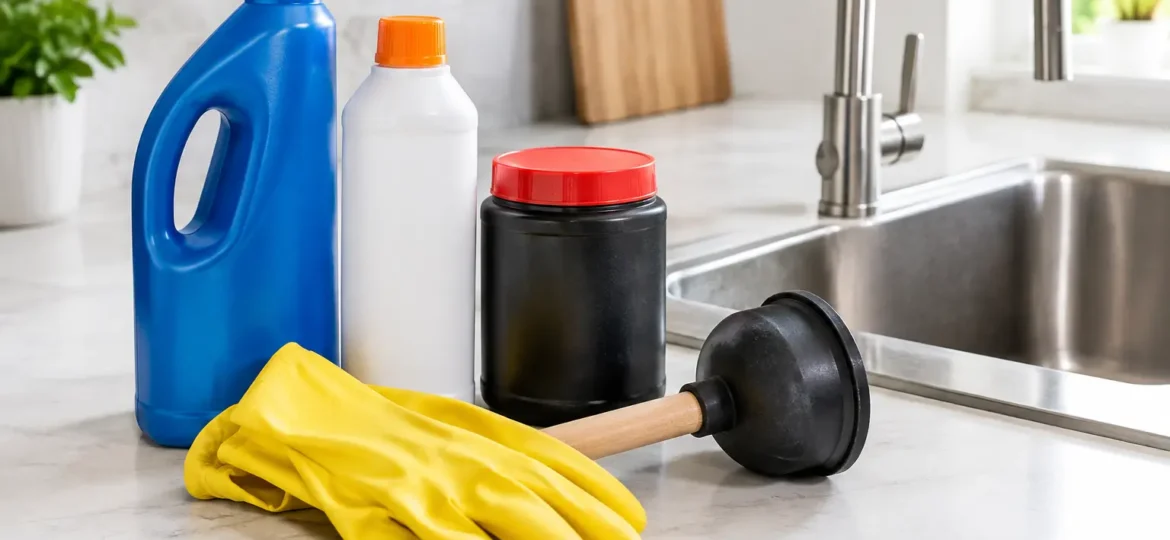
The best drain cleaners for home pipes are often tools, not liquids. A cup plunger works well on sinks, tubs, and showers when there is enough water to create a seal. For a double kitchen sink, block the second drain opening before plunging. For a bathroom sink, cover the overflow opening with a wet rag to build pressure.
A small hand snake can reach past the trap and pull out hair, wipes, or compacted debris. Use it gently. Forcing a cable can damage old pipe, push a clog deeper, or get the tool stuck. If you meet hard resistance quickly, do not keep cranking until something breaks.
For toilets, use a flange plunger first. If that does not work, a closet auger is the correct tool. A standard drain snake can scratch the porcelain or become lodged in the toilet trap. Do not flush wipes, paper towels, feminine products, cotton swabs, or so-called flushable wipes. They are a leading cause of avoidable toilet and sewer clogs.
Warning Signs the Clog Is Beyond DIY
A single slow bathroom drain is usually a local issue. Multiple slow drains at the same time point to a larger problem in the main sewer line. Pay attention to where water goes when you use another fixture. If flushing a toilet makes water rise in the tub, or running the washing machine causes a shower drain to gurgle, the main line may be restricted.
Other red flags include recurring clogs in the same drain, sewage odors indoors, water around floor drains, a cleanout pipe overflowing outside, and a drain that clears briefly but backs up again within days. Tree roots, collapsed sewer pipe, grease buildup, pipe scale, and improper slope cannot be solved with a consumer drain cleaner.
Commercial properties and rental homes should take repeat backups seriously. A clogged line can shut down restrooms, damage flooring, create sanitation concerns, and disrupt tenants or customers. Getting the line inspected early is often cheaper than cleaning up after a sewage overflow.
Professional Cleaning Gets to the Actual Cause
Professional drain cleaning may involve a cable machine, video camera inspection, or hydro jetting. A camera shows whether the problem is grease, roots, a broken pipe, a belly in the line, or a clog that keeps returning. Hydro jetting uses high-pressure water to scour buildup from pipe walls, but it must be used correctly. It is not the right first move for every fragile or damaged pipe.
That diagnosis matters. Clearing a hole through a clog is not the same as restoring the pipe. When a main line keeps backing up, a technician needs to identify why it is happening before recommending the repair.
A Safer Routine for Clear Drains
Keep drains working by stopping debris before it enters the pipe. Use hair catchers in showers, scrape food into the trash, and wipe greasy pans before washing them. Run water while using the garbage disposal and avoid putting grease, coffee grounds, rice, pasta, eggshells, or fibrous vegetable scraps down the kitchen drain.
For routine care, use a septic-safe enzyme product according to its directions rather than reaching for harsh chemicals at the first sign of a slow drain. If a drain begins slowing repeatedly, schedule service before it becomes a nighttime backup.
Chatta-Rooter Plumbing handles tough drain, sewer, and septic problems across the Chattanooga area with upfront pricing and 24/7 response when the situation cannot wait. A cleaner drain starts with the right fix, and a drain that keeps fighting back deserves a real diagnosis.