
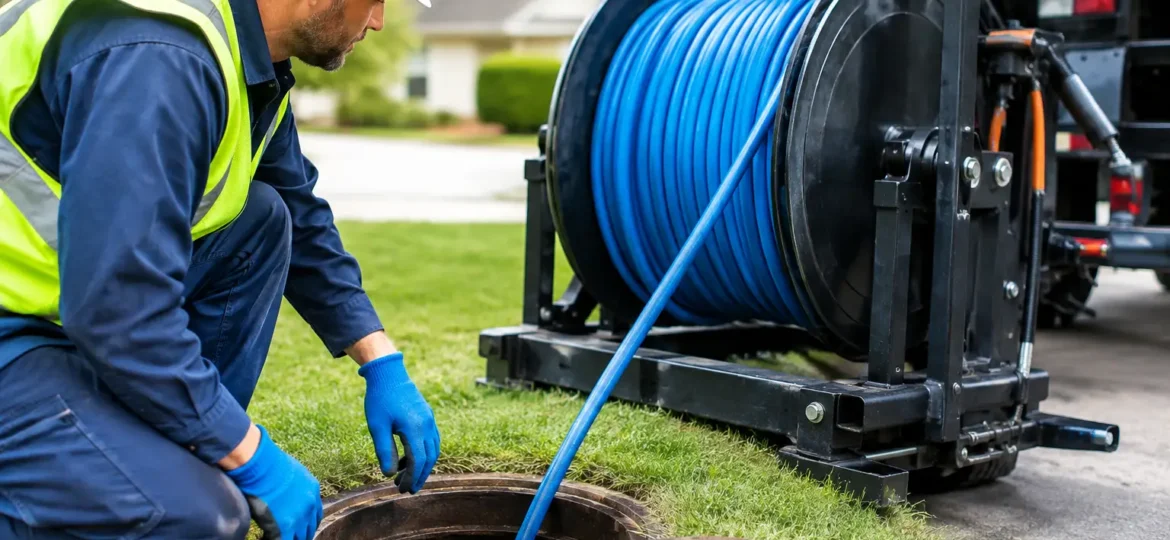
A sewer line problem does not always mean a torn-up yard, broken concrete, or a week of avoiding your driveway. Trenchless repair can restore certain damaged sewer pipes from access points above ground, keeping excavation to a minimum. But it is not a magic fix for every line. The right answer depends on what is wrong underground, where the pipe runs, and whether the existing pipe can support a lasting repair.
For homeowners, landlords, and business owners, the goal is simple: stop backups, protect the property, and avoid paying for work that does not solve the real problem.
What Is Trenchless Repair?
Trenchless sewer repair is a group of methods used to repair or replace an underground pipe without digging a long trench across the entire line. A technician starts by locating the sewer line and inspecting its condition with a sewer camera. That inspection shows whether the problem is roots, a crack, separated joints, corrosion, a collapsed section, a belly in the pipe, or a blockage.
Two common approaches are pipe lining and pipe bursting. With pipe lining, a resin-saturated liner is installed inside the existing pipe and cured in place. Once hardened, it creates a new pipe within the old one. With pipe bursting, a bursting head breaks apart the old pipe while pulling a new replacement pipe through the same path.
Both methods can reduce surface damage compared with traditional excavation. That matters when the sewer line runs beneath landscaping, sidewalks, patios, parking areas, or a building addition. Less digging can also mean less time spent restoring the property after the plumbing work is complete.
When Trenchless Repair Makes Sense
The best candidates for trenchless work usually have a pipe that is damaged but still follows a usable path underground. A line with root intrusion, small cracks, deteriorated joints, or aging pipe material may be repairable without opening the entire yard.
Pipe lining can be especially useful when a sewer pipe has repeated root problems or leaking joints but has not lost its basic shape. The liner seals joints and creates a continuous interior surface, making it harder for roots to get back into the line. It can also help when the line runs under a slab, mature landscaping, or a hard-to-replace driveway.
Pipe bursting may be a better fit when the old pipe is too deteriorated to line but the route is still accessible from both ends. It replaces the old line rather than reinforcing it. That can be a strong option for certain older sewer materials that have reached the end of their service life.
For commercial properties, avoiding a major trench can reduce disruption to tenants, customers, traffic flow, and daily operations. A restaurant, office building, rental property, or retail site may be able to limit downtime when the repair plan does not require tearing through the entire property.
When Digging Is Still the Better Answer
A good plumbing contractor should not push trenchless work when excavation is the more dependable repair. Some sewer line conditions cannot be fixed properly from the inside.
A fully collapsed pipe is one example. If the pipe has been crushed, flattened, or shifted badly out of line, there may not be a clear path to install a liner or pull a new pipe through. Severe bellies are another concern. A belly is a low section in the line where wastewater and solids collect instead of flowing downhill. Lining a pipe does not correct a poor slope, so the drainage problem can remain.
Trenchless methods can also be limited by pipe size, access points, sharp turns, major offsets, and utility conflicts. If a sewer line has multiple bad sections or sits too close to other underground utilities, the repair plan may need to change. Sometimes a targeted excavation of one damaged section is the most cost-effective choice. Other times, a full replacement is the only repair that makes sense for the long haul.
That is why a camera inspection comes first. Guessing at an underground problem is how property owners end up paying twice.
The Inspection Matters More Than the Method
Before any sewer repair starts, the line should be cleaned and camera inspected. Heavy roots, grease buildup, wipes, or sludge can hide the actual condition of the pipe. Hydro jetting or professional drain cleaning may be needed before the camera can get a clear view.
During the inspection, the technician should identify the pipe material, approximate depth, location of the damage, direction of flow, and any signs of collapse or standing water. The footage should show whether the pipe has isolated damage or widespread failure.
This step also separates a sewer line issue from a septic issue. A slow drain or sewage backup can be caused by a clogged building drain, a failed sewer lateral, a full septic tank, a damaged drain field, or a pump problem. The symptoms can look similar from inside the house. The repair is not similar, and choosing the wrong one wastes money.
At Chatta-Rooter Plumbing, the focus is on finding the failure first, then recommending work that matches the condition of the system. That is the straight answer property owners need when wastewater is backing up or drains are not moving.
What Affects the Cost of Trenchless Sewer Work?
There is no honest one-price answer for trenchless sewer repair. Cost depends on the length and diameter of the pipe, how deep it sits, the repair method, the pipe material, access to the line, and the amount of cleaning or preparation required.
The surface above the line matters too. Repairing a pipe below an open yard is different from repairing one below a concrete driveway, retaining wall, parking lot, or finished interior floor. Traditional digging may have a lower upfront plumbing price in some situations, but restoring concrete, landscaping, or asphalt afterward can change the total cost quickly.
Trenchless work can cost more per foot than a straightforward excavation, especially when specialized lining equipment is needed. It may still be the better value when it protects expensive surfaces or avoids major disruption. The only useful comparison is a complete estimate that accounts for both the pipe repair and the property restoration that follows.
Be cautious of estimates that promise a repair before a camera inspection has been completed. A fair quote should explain the condition of the pipe, the proposed method, what is included, and what could require additional work if hidden conditions are found.
Signs You May Need a Sewer Line Inspection
Repeated drain clogs are not normal, especially when more than one fixture is affected. If toilets gurgle when a tub drains, water backs up into a shower, or sewage appears at a cleanout, the main sewer line needs attention.
Other warning signs include wet or unusually green areas in the yard, sewer odor near the house, slow drains that return after cleaning, and frequent root removal from the same line. For commercial properties, recurring restroom backups, floor drain overflow, or sewage odor around the building should be addressed fast. Wastewater problems can damage floors, create sanitation concerns, and interrupt business.
Do not keep using chemical drain cleaners to fight a suspected sewer line failure. Those products rarely solve roots, broken pipe, or a collapsed section. They can also create a safety hazard for anyone who later opens the line.
How to Choose the Right Repair Plan
Ask for a clear diagnosis before choosing trenchless repair or excavation. You should know what the camera found, where the damage is, whether the pipe has proper slope, and why the recommended method is expected to last.
A solid repair plan also accounts for access. If a liner needs to be installed through a cleanout, that cleanout must be usable and located correctly. If pipe bursting is recommended, the crew needs room for the equipment and safe entry and exit points. In some cases, small access holes are still needed. “Trenchless” means less excavation, not always zero digging.
For rental and commercial properties, ask how the repair will affect water use during the job. Some work requires occupants to avoid flushing, running sinks, or using drains for a period of time. Planning that downtime is far easier than dealing with an unplanned sewage backup.
If your drains are backing up, get the sewer line inspected before the next heavy use turns a manageable repair into a cleanup job. The right fix is the one that restores dependable flow, protects your property, and holds up after the crew leaves.