

A sewage backup is not the time to wonder, “what is a grinder pump?” If your home or business relies on one, that pump is a key part of getting wastewater out of the building and into the sewer system. When it quits, toilets may stop flushing, drains can back up, and the alarm may sound. Fast action matters.
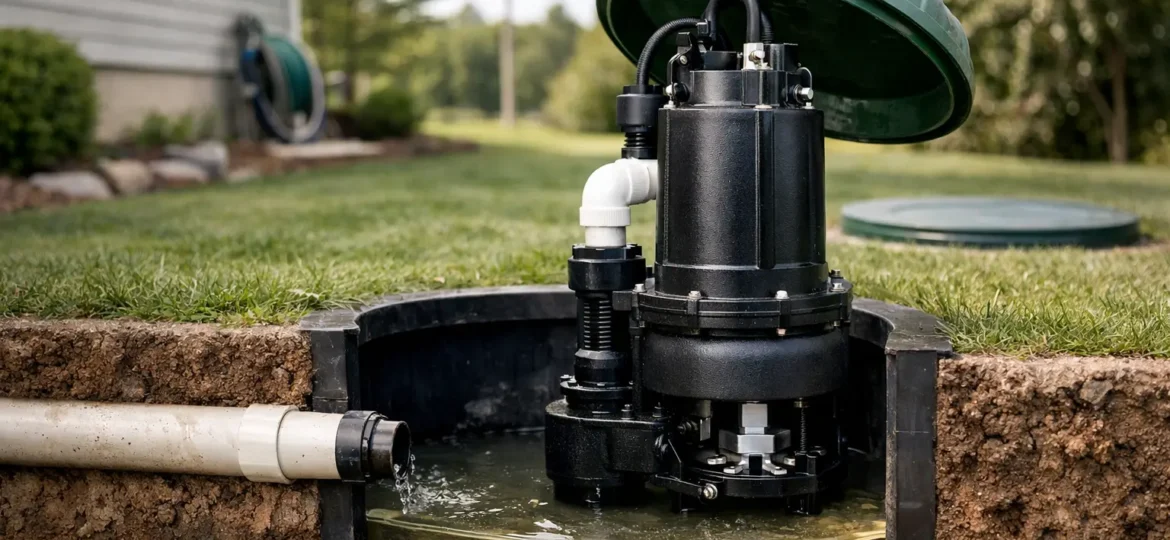
A grinder pump is a wastewater pump with a cutting mechanism inside it. It grinds sewage and toilet waste into a slurry, then pumps that material through a small, pressurized pipe to a public sewer main or another approved discharge point. It is built for properties where gravity alone cannot move wastewater where it needs to go.
What Is a Grinder Pump Used For?
Most homes send wastewater downhill through a larger sewer line. That is a gravity sewer system. It works well when the house sits higher than the municipal sewer connection and the pipe can maintain the right slope all the way to the main.
A grinder pump is used when that slope is not possible. Your property may sit below the sewer main, be located a long distance from it, or have an addition, basement bathroom, commercial fixture, or outbuilding that drains below the main line. Instead of relying on gravity, the pump gives wastewater the force it needs to travel uphill or across a long run.
The pump typically sits in a sealed basin outside the home, although some systems are installed in a basement or utility area. Wastewater from toilets, showers, sinks, washing machines, and other approved fixtures flows into that basin. Once the liquid reaches a preset level, a float switch tells the pump to turn on.
Inside the unit, hardened cutters break up solids before the motor pushes wastewater through a narrow discharge pipe. When the basin level drops, the pump shuts off. The process happens automatically when the system is working properly.
Grinder Pump vs. Sewage Ejector Pump
Homeowners often use these terms interchangeably, but they are not always the same thing. Both pumps move sewage from a low point to a higher sewer line. The difference is how they handle solids.
A sewage ejector pump is commonly used for a basement bathroom or laundry area. It moves wastewater and small solids through a larger discharge line, but it does not necessarily grind the contents first. A grinder pump uses cutting blades or a grinding mechanism, allowing it to send processed waste through a smaller pressure line.
Which one is right depends on the property, pipe size, elevation, local code requirements, and the sewer system serving the area. A pump that is undersized, incorrectly installed, or connected to the wrong discharge piping can cause repeat failures. This is not a job for guesswork.
Signs Your Grinder Pump Needs Service
A grinder pump usually gives you warning signs before a full sewage backup happens. Do not ignore them, especially if your property has an alarm panel or outdoor alarm light.
Common signs of trouble include:
- A high-water alarm, flashing light, or audible alarm near the pump basin
- Toilets that will not flush or drains that empty slowly throughout the building
- Gurgling drains, sewage odors, or wastewater surfacing near the pump tank
- A pump that runs constantly, cycles too often, or makes loud grinding noises
- A sudden backup after a power outage, heavy water use, or flushing an improper item
An alarm does not always mean the pump itself has failed. The basin may be overloaded, a float switch could be stuck, the discharge line may be clogged, or the electrical supply may be interrupted. But the alarm means the wastewater level is too high. Treat it as urgent.
Stop running water right away. Do not flush toilets, run the dishwasher, take showers, or start laundry until the problem is checked. Adding more water to a full basin increases the odds of wastewater backing up into the home or business.
What Not to Put Down a Grinder Pump System
Grinder pumps are tough, but they are not garbage disposals. The cutters are designed for normal toilet waste and toilet paper. They can be damaged or jammed by items that should never be flushed or washed down a drain.
Keep wipes out of the toilet, even products labeled “flushable.” Paper towels, feminine hygiene products, diapers, dental floss, cotton swabs, grease, cooking oil, cat litter, condoms, rags, and disposable cleaning pads can all create trouble. Stringy materials may wrap around moving parts. Grease can cool and harden in the basin or pressure line. Hard items can damage the grinder mechanism.
Commercial properties need clear employee and customer policies around what goes into drains. A single mop head, handful of wipes, or grease-heavy sink line can take a wastewater system offline and create an expensive cleanup situation.
Why Grinder Pumps Fail
Like any mechanical equipment, a grinder pump has parts that wear out. The motor, impeller, grinder assembly, float switch, check valve, control panel, and electrical components all need to work together. A failure in one part can stop the whole system.
Power outages are a common cause of temporary problems. If the electricity is out, the pump cannot run, even though wastewater continues collecting in the basin. A backup generator may be worth considering for homes and businesses that depend heavily on a grinder pump, particularly if an outage could create a major interruption.
Clogs are another frequent issue. Improper materials can jam the grinder or block the discharge line. A failed check valve can allow wastewater to drain backward into the basin after every pump cycle, making the unit run more than it should. Float switches can stick, and control panels can develop electrical faults.
Age also matters. Some pumps can provide years of reliable service with proper use and maintenance, while others wear out sooner because of heavy use, poor installation, power issues, or repeated clogging. The right repair is based on diagnosis, not assumptions. Sometimes a failed float or check valve is a straightforward repair. Other times, a damaged motor or worn pump assembly makes replacement the more practical choice.
Maintenance That Helps Prevent Backups
Grinder pumps do not need daily attention, but they should not be forgotten until the alarm goes off. A professional inspection can check pump operation, float movement, control settings, valves, electrical connections, and the condition of the basin. If the property is served by a septic system rather than public sewer, regular septic pumping and inspection are equally critical.
Between service visits, pay attention to how the system behaves. If the pump begins running longer than normal, the alarm comes on briefly, or drains start acting differently, get it checked before the situation turns into a sewage backup. Keep the area around an outdoor pump basin accessible. Do not cover the lid with landscaping, heavy materials, or structures that make service harder.
It also helps to know where the alarm panel, circuit breaker, and pump access lid are located. That information can save time when an emergency technician arrives. Do not open an active sewage basin or handle electrical components yourself. Wastewater exposure and electrical hazards are serious risks.
When to Call for Grinder Pump Repair
Call for professional help immediately if the alarm is active, sewage is backing up, the pump is not running, or wastewater is overflowing near the basin. If you hear unusual noises or notice repeated cycling without a backup yet, schedule service before the system fails at the worst possible time.
Chatta-Rooter Plumbing handles grinder pump problems for homeowners, landlords, and commercial properties in the Chattanooga area. The goal is simple: find the real cause, explain the repair clearly, give upfront pricing, and get wastewater moving again without wasting your time.
A grinder pump does hard work behind the scenes. Use it properly, respond quickly when it alarms, and have a qualified technician inspect problems before a full basin turns into a cleanup job.