

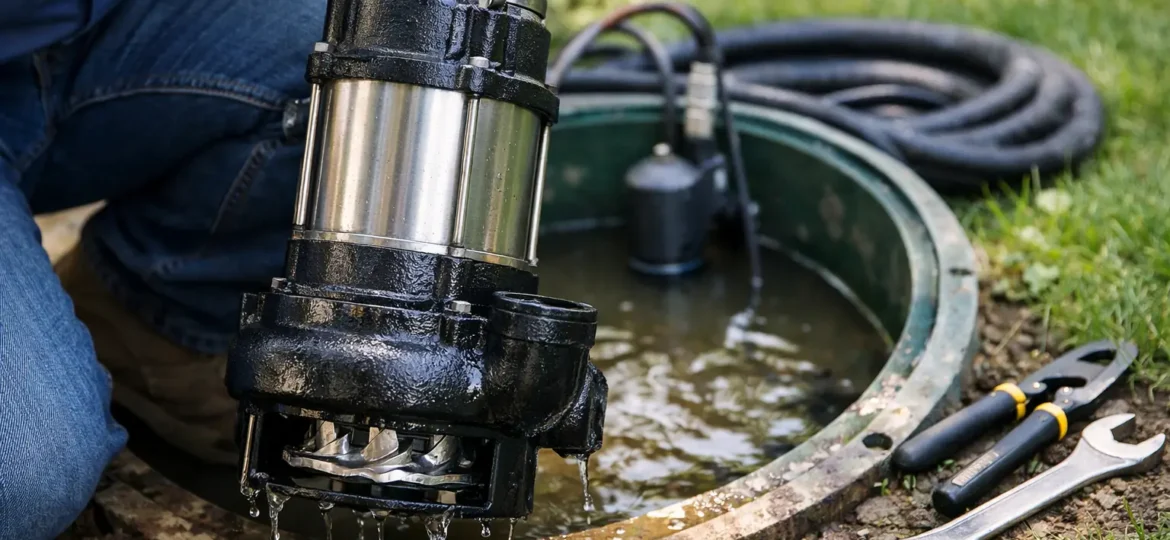
A grinder pump usually gets ignored until it stops doing its job. Then you are dealing with sewage backups, alarms, bad smells, and a repair bill you did not plan for. If you are wondering how to maintain grinder pump equipment the right way, the goal is simple – keep solids moving, protect the motor, and catch small problems before they turn into an emergency.
Why grinder pump maintenance matters
A grinder pump is built to break down wastewater solids and push them uphill or over a long distance to the sewer connection. That makes it different from a standard gravity drain system. When it works, you barely notice it. When it struggles, the whole property feels it fast.
The biggest mistake property owners make is assuming a grinder pump can handle anything that goes down a drain or toilet. It cannot. These pumps are tough, but they are not indestructible. Grease, wipes, hygiene products, paper towels, stringy materials, and chemical abuse are some of the fastest ways to shorten pump life.
Good maintenance is less about constant hands-on work and more about smart use, regular inspection, and fast action when warning signs show up. That is what saves money.
How to maintain grinder pump systems day to day
Daily maintenance starts with what you do not put into the system. Flush only toilet paper and human waste. That means no “flushable” wipes, no feminine hygiene products, no paper towels, no cotton swabs, and no dental floss. In kitchens, keep grease, fats, oils, coffee grounds, and fibrous food waste out of the drain. A grinder pump can process sewage, but it should not be treated like a garbage disposal for the whole building.
Water use matters too. If you send huge volumes of water into the basin all at once, the pump has to work harder and cycle more often. Spacing out laundry loads and heavy water use can help, especially in homes or buildings with older equipment. More run time is not always a problem, but excessive cycling can wear components down sooner.
If your grinder pump is connected to a panel with an alarm, do not ignore it. That alarm is there to tell you the tank level is too high, the pump is not operating correctly, or power has been interrupted. Homeowners sometimes silence the alarm and keep using water like nothing happened. That usually makes the mess worse.
What to check during routine inspection
Most owners do not need to tear into the system themselves. In fact, opening a pump basin or handling electrical components without the right training is a bad idea. But there are still a few things you can watch from the outside.
Start with the alarm panel. Make sure the light is off and the system has power. If the panel has a test feature, use it according to the manufacturer instructions. A dead alarm is almost as bad as no alarm at all.
Next, pay attention to the area around the basin lid. You should not see standing wastewater or notice strong sewage odors. A mild odor near a septic or sewer component can happen from time to time, but persistent smell, wet ground, or bubbling can point to a leak, venting issue, or an overloaded tank.
Inside the building, listen for slow drains, gurgling fixtures, or toilets that do not flush normally. Those problems do not always mean the grinder pump is failing, but they are common early signs that something downstream is not moving like it should.
Signs your grinder pump needs service
Some grinder pump problems creep up slowly. Others hit all at once. Either way, there are a few red flags you should take seriously.
If the alarm goes off, that needs attention right away. If the pump runs constantly, turns on and off too often, or makes unusual noises like grinding, humming, or rattling, that is another sign something is wrong. A healthy grinder pump will make some noise during operation, but it should not sound strained or irregular.
Sewage odors inside or outside the property, backups in lower-level drains, or wet areas near the pump tank are also warning signs. On commercial properties, one of the first clues may be restroom issues during peak usage or repeated clogs that seem to come back too quickly.
There is also the power issue. If the breaker trips repeatedly or the pump loses power often, do not keep resetting it and hoping for the best. Electrical faults, motor problems, or jammed components can all be behind that.
Cleaning and servicing – what owners can do and what should be left to a pro
When people search how to maintain grinder pump equipment, they often expect a checklist full of DIY cleaning steps. The truth is, there is not much benefit in trying to clean the inside of a grinder pump system yourself. The work is messy, hazardous, and easy to get wrong.
What you can do is keep the surrounding area accessible, avoid planting over the tank or control panel, and make sure service crews can reach the lid and electrical components without digging through landscaping or stored items. If the unit is in a commercial setting, train staff on what should never go down drains and post reminders in problem areas if needed.
Professional maintenance is where the real inspection happens. A technician can check the floats, electrical connections, control panel, impeller or cutting mechanism, seals, and discharge performance. They can also spot signs of wear before the pump fails outright. Depending on the system, household size, and usage, an inspection every year or two is a smart baseline. Heavy-use commercial systems may need more frequent service.
Common habits that shorten pump life
The fastest way to kill a grinder pump is abuse. Grease is a major one because it cools, thickens, and sticks inside the system. Wipes are another big problem, even the ones labeled safe to flush. They do not break down like toilet paper, and they are notorious for wrapping around pump components.
Harsh chemicals can also do damage. A small amount of household cleaner used normally is one thing. Dumping paint, solvents, fuel, pesticides, or large amounts of drain opener into the system is another. Those products can damage components, create safety hazards, and interfere with downstream septic or sewer performance.
Power neglect hurts too. If your pump relies on a dedicated electrical circuit, do not overload that circuit with other equipment. And if storms cause frequent outages in your area, it is worth asking whether surge protection or backup planning makes sense for your setup.
What to do if the alarm goes off
First, do not panic. Second, cut back water use immediately. Every toilet flush, shower, and load of laundry adds more wastewater to a system that is already telling you it has a problem.
Check whether the pump has power. Look for a tripped breaker, but do not keep resetting it if it trips again. If the alarm has a silence switch, you can use it so the buzzer stops, but that does not fix the issue. It only buys you a little peace while you arrange service.
If there is any sign of backup, overflow, or sewage inside the building, stop using water and call for professional help right away. This is where having a local company that handles grinder pumps, septic work, and emergency plumbing matters. Chatta-Rooter Plumbing sees these situations across homes and commercial properties, and the faster the problem is diagnosed, the better the odds of avoiding major cleanup.
Seasonal and property-specific factors
Not every grinder pump sees the same wear. A full household with kids, frequent guests, and heavy laundry use will stress the system more than a single-occupant home. Rental properties often deal with misuse because tenants may not know what should and should not go down the drain. Restaurants, shops, and other commercial sites can create even more strain depending on restrooms, sinks, and cleaning practices.
Cold weather, heavy rain, and power outages can also affect performance. If surface water gets into places it should not, or if the system loses power during a storm, the pump may not keep up. That does not always mean the pump itself is bad. Sometimes the issue is the environment around it.
That is why maintenance is not one-size-fits-all. The right schedule depends on use, age, location, and whether the property has had past problems.
A better way to think about grinder pump care
You do not need to babysit a grinder pump, but you do need to respect it. Use it properly, notice changes early, and get it inspected before a minor issue turns into a flooded bathroom or sewage cleanup job. A little attention goes a long way with wastewater equipment.
If you are not sure your system is running the way it should, that uncertainty is reason enough to have it checked. Grinder pumps are built for hard work, but they last longer when somebody pays attention before the alarm starts screaming.