

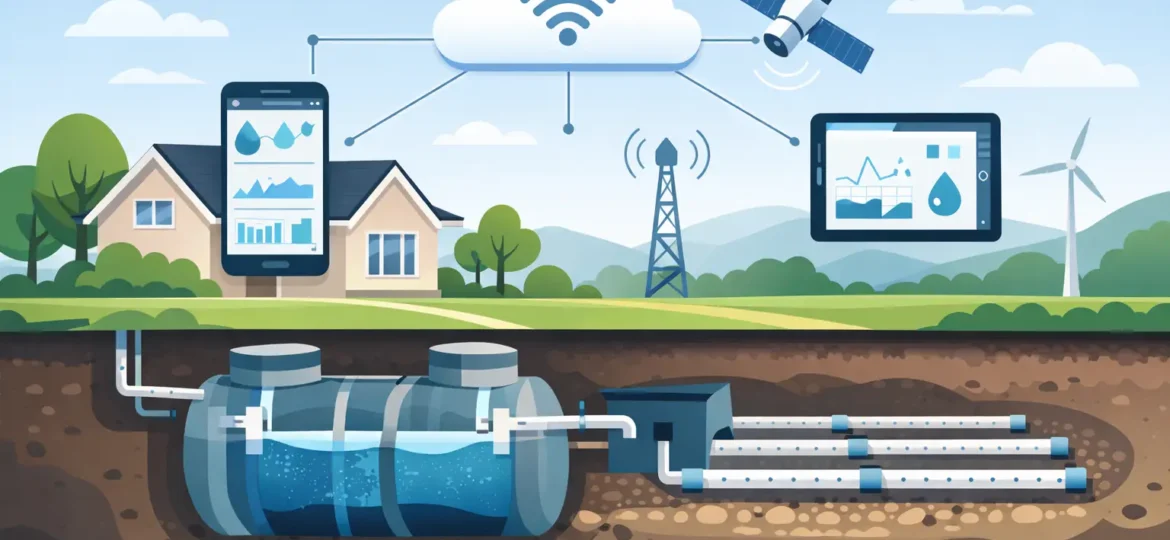
A septic system usually stays out of sight until it stops doing its job. Then it becomes everybody’s problem fast – bad smells, slow drains, wet spots in the yard, and a repair bill nobody wanted. That is exactly why the future of septic system monitoring matters for homeowners, landlords, and commercial property owners. Better monitoring means catching trouble early, protecting the drain field, and avoiding emergency calls that could have been prevented.
For years, septic maintenance has mostly been reactive. A tank gets pumped on a schedule, somebody notices a warning sign, or a backup forces the issue. That old model still has its place, but it leaves a lot of room for guesswork. The next generation of septic monitoring is about replacing guesswork with real information.
What the future of septic system monitoring really looks like
This is not science fiction, and it is not just for large commercial sites. In practical terms, the future of septic system monitoring is built around sensors, alerts, and better inspection data. Instead of waiting until wastewater backs up into a home or business, a monitored system can warn the property owner or service company that liquid levels are rising too high, pumps are not cycling correctly, or flow patterns are pointing to a developing problem.
Some of that technology already exists. High-water alarms, pump alarms, and control panels have been around a long time. What is changing is how connected and useful that information is becoming. Newer systems can track tank levels more accurately, record pump run times, watch for abnormal patterns, and in some cases send remote alerts by text or app notification.
That does not mean every septic system will suddenly become a fully connected smart device. It depends on the age of the system, the site conditions, the type of equipment in use, and whether the property owner actually benefits from remote monitoring. A simple gravity system at a single-family home may need a different approach than a commercial property with lift stations, pumps, or heavy daily usage.
Why monitoring is becoming more valuable
The biggest reason is simple: septic failures are expensive. A tank issue caught early might mean a pump-out, a filter cleaning, or a small repair. The same issue ignored for too long can damage a pump, overload a drain field, or create sewage cleanup inside the building. Monitoring helps narrow that gap between first warning and major failure.
There is also a labor and scheduling advantage. Property owners do not always know what is happening underground, and service companies do not want to arrive blind on a complicated job. Better data makes it easier to dispatch the right technician, bring the right equipment, and fix the problem faster.
For landlords and commercial operators, monitoring can also reduce downtime. If you manage multiple buildings, restaurants, rental properties, or facilities with restrooms in constant use, one unnoticed septic issue can turn into tenant complaints, customer disruption, or health concerns. Early alerts give you a chance to act before the situation gets ugly.
The tools driving septic monitoring forward
The most useful systems are not always the flashiest ones. In many cases, the best upgrades are the ones that solve a real field problem.
Tank level sensors
These sensors track liquid levels inside the septic tank or pump tank. If levels rise outside the normal range, the system can trigger an alarm. That can point to a clogged outlet, an overloaded tank, a pump failure, or trouble downstream in the drain field.
Pump cycle monitoring
When a system uses pumps, run time matters. If a pump is cycling too often, not cycling enough, or drawing unusual power, that can signal wear, blockages, float switch issues, or changes in wastewater volume. Tracking those patterns can help prevent a full pump failure.
Alarm integration and remote notifications
Traditional alarms only help if someone hears them and knows what to do next. Remote notifications improve that. A text or app alert can give a property owner or service provider a head start, especially at commercial sites or vacant properties where problems might sit unnoticed.
Data from inspections and cameras
Not every monitoring tool is installed permanently. Camera inspections, line locating, and pump testing still matter. The future is not just sensors in the ground. It is combining inspection results with ongoing performance data so service decisions are based on evidence, not assumptions.
What homeowners should expect
For most homeowners, better monitoring will not mean managing a complicated dashboard every day. It will mean simpler warnings and better timing. Instead of finding out your septic system is in trouble after sewage appears in the tub, you may get a warning that the pump tank is too full or that service is needed soon.
That is especially useful for households with variable water use. If you have guests often, work from home, run frequent laundry loads, or have a garbage disposal feeding the system, your septic load may change more than you think. Monitoring helps show how the system responds in real conditions.
Still, homeowners should keep expectations realistic. Monitoring is not a substitute for pumping, inspections, or proper septic use. It will not fix wipes in the line, grease in the tank, root intrusion, or a drain field that is already failing. It gives you earlier visibility, which is valuable, but it is not magic.
Commercial and multi-property sites may benefit the most
Larger properties often have more to gain from remote septic monitoring because the cost of downtime is higher. A restaurant, small office, campground, church, apartment building, or retail site can go from normal operations to a serious wastewater issue in one day. When bathrooms stop working, business stops too.
These sites also tend to have more moving parts. Pumps, alarms, ejector systems, grinder pumps, and higher wastewater volume create more points of failure. Monitoring can help managers spot trends before they become emergencies. If one pump station is running longer every week, that is a clue worth checking before the system quits on a Saturday night.
The trade-offs nobody should ignore
New technology sounds great until it is installed poorly or oversold. That is where experience still matters.
A cheap sensor in a harsh wastewater environment may not stay accurate for long. Remote alerts are only useful if someone is ready to respond. Some systems need power, signal strength, calibration, and periodic maintenance. If the monitoring setup is unreliable, it can create a false sense of security or trigger nuisance alarms that people start ignoring.
Cost is another factor. Not every property needs advanced monitoring, and not every owner will see the same return. A basic alarm upgrade may be enough for one site, while another benefits from a more complete remote system. The right answer depends on risk, system design, occupancy, and how expensive a failure would be.
Why septic service companies still matter in a smarter future
The future of septic system monitoring is not about replacing experienced septic technicians. It is about helping them work faster and more accurately. A sensor might tell you there is high water in a tank. It will not always tell you whether the cause is a bad float, a failed pump, a crushed line, hydraulic overload, or a drain field issue.
That part still takes field knowledge. It takes somebody who can inspect the tank, test the components, read the site conditions, and explain the repair options clearly. Good monitoring shortens the time between warning and diagnosis. It does not eliminate the need for skilled septic repair.
That is why local experience matters so much in places like Chattanooga, where soil conditions, rainfall, age of systems, and site layout can all affect how a septic system performs. A smart device can collect information. A seasoned septic crew knows what to do with it.
What to do if you are thinking ahead
If your system already has pumps, alarms, or recurring issues, ask whether better monitoring would make maintenance easier. If you own a commercial property or manage rentals, consider how quickly you would know if a septic component failed on a weekend or after hours. If the honest answer is that you would not know until tenants called angry, there is a good case for upgrading.
For homeowners, start with the basics. Make sure your system is inspected when needed, pumped on the right schedule, and checked if you notice slow drains, odors, wet areas, or alarms. From there, an experienced septic contractor can tell you whether a monitoring upgrade makes sense or whether your money is better spent on maintenance and repair.
At its best, monitoring does one simple thing: it gives you time. Time to respond before a mess spreads, time to protect expensive components, and time to make a repair before it becomes a bigger problem. For anybody relying on a septic system, that kind of warning is only going to get more valuable.