

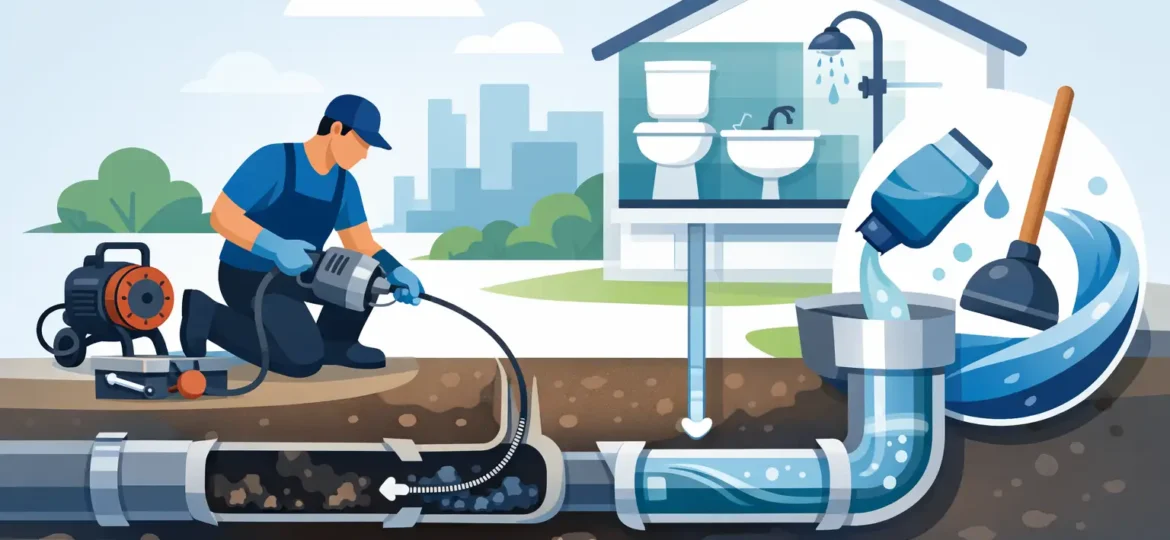
A sewer line clog usually does not start with one dramatic event. It starts with a toilet that gurgles, a tub that drains slower than usual, or a floor drain that suddenly smells worse than it should. If you are searching for how to unclog sewer line trouble, the first thing to know is simple: a main sewer blockage is different from a single sink clog, and treating it like a minor drain issue can make the mess a lot worse.
When the main line is blocked, wastewater has nowhere to go. That means using more water inside the house can force sewage back into tubs, showers, toilets, or basement drains. For homeowners, landlords, and business owners, that is the point where speed matters. You want to stop the backup, protect the property, and fix the real cause instead of guessing.
How to unclog sewer line issues starts with the warning signs
A main sewer line clog usually gives you more than one symptom at the same time. If one bathroom fixture is slow, that may be a local clog. If several fixtures act up together, you are likely dealing with the main line.
Watch for toilets that bubble when a sink or tub drains. Pay attention if water backs up in the shower when you flush a toilet. Floor drains overflowing, sewage odors indoors, and multiple drains running slow at once are all red flags. In homes with lower-level plumbing, the basement or first-floor shower often shows trouble first because it is the lowest opening in the system.
Outside, you may notice soggy ground near the sewer route, greener patches of grass, or wastewater odors in the yard. Those signs can point to a blockage, a break, or both. That is where sewer and septic experience really matters, because the fix depends on what is actually happening underground.
What causes a main sewer line to clog
The most common cause is buildup over time. Grease, soap residue, wipes, paper products, and debris can narrow the pipe until flow slows to a crawl. In older lines, tree roots are a major problem. Roots find moisture, work into small cracks or joints, and keep growing until they trap waste and toilet paper.
Pipe damage is another common cause. A line can sag, crack, collapse, or shift from age, ground movement, or heavy traffic above it. In some properties, the issue is not the sewer line at all but a septic problem that is backing the system up. That is why a quick guess is not always the smart move.
There is also a difference between a clog you can clear and a line that is failing. If the pipe is structurally damaged, clearing the blockage may only buy a little time.
What to do before you try to clear it
If you suspect a sewer line clog, stop running water immediately. Do not keep flushing toilets to see if the problem improves. Do not run the dishwasher or washing machine. Every gallon you add to the system increases the chance of an indoor backup.
Next, check whether the issue affects one fixture or several. If it is just one sink, that points to a branch drain. If the toilet, tub, and sink are all involved, the main line is the likely culprit. If you have a sewer cleanout outside or in the basement, that access point can help confirm where the blockage is, but opening it can release wastewater under pressure. If you are not prepared for that, do not force it.
This is also the time to keep people away from contaminated water. Sewage is a health hazard. Gloves and boots are not a full solution if wastewater is already inside the property.
How to unclog sewer line backups safely
There are a few methods that can work, but the right one depends on the cause and the severity.
A plunger is rarely enough for a true main line clog. It may help a nearby toilet if the stoppage is close, but it will not solve roots or heavy buildup deep in the line.
A drain snake or sewer auger can sometimes break through a blockage. This is the most common do-it-yourself option. If you have access to a proper cleanout and know how to feed the cable correctly, you may be able to punch a hole through paper or soft debris. The downside is that snaking often opens a small path instead of cleaning the full pipe wall. Water may start moving again, but the line can clog right back up.
Hydro jetting is a stronger solution for grease, sludge, and heavy buildup. High-pressure water scrubs the inside of the pipe instead of just poking through the center. It is one of the best ways to restore flow in a line that is still structurally sound. But it is not for every pipe. Older, brittle, or damaged lines can require a camera inspection first so you do not make a bad pipe worse.
Chemical drain cleaners are usually a poor choice for sewer line blockages. They rarely fix a main line clog, and they can create safety risks for anyone opening the line afterward. They may also damage certain pipes over time.
When a sewer camera inspection makes the difference
If the clog keeps coming back, guessing costs money. A sewer camera inspection shows what is actually inside the line. That means you can tell whether you are dealing with roots, grease, a belly in the pipe, a broken section, or a full collapse.
This matters because the right repair depends on the condition of the line. A root intrusion may need cutting and ongoing maintenance. A grease-packed commercial line may need jetting and better prevention practices. A crushed or offset pipe may need repair or replacement. Without a camera, you are working blind.
For property owners, this is often the point where calling a professional saves time and prevents property damage. A real diagnosis beats trial and error every time.
When to call a pro right away
Some sewer problems are not worth experimenting with. If sewage is backing up into the home, if multiple fixtures are overflowing, or if you suspect roots or a broken line, get professional help fast. The same goes for businesses where downtime, odors, and sanitation issues can affect operations immediately.
A professional has the equipment to clear the blockage, inspect the line, and tell you whether the fix is complete or temporary. That can mean a heavy-duty auger, hydro jetting equipment, video inspection tools, and repair capability if the line is damaged. For homes and properties in the Chattanooga area, a company like Chatta-Rooter Plumbing is built for exactly these calls – hard sewer and septic problems that need a fast, honest answer.
Can you prevent another sewer line clog?
You can reduce the odds, but prevention depends on what caused the blockage in the first place. If the issue was wipes, grease, or paper overload, changing what goes down the drain helps a lot. Grease should never go into the plumbing system. Flushable wipes are a common cause of expensive backups, even when the label says otherwise.
If roots are the problem, periodic maintenance may be needed. Root intrusions tend to return unless the damaged section is repaired. If the line is old and starting to fail, routine cleaning may keep things moving for a while, but it will not stop a structural issue from getting worse.
Commercial properties need to be especially careful with grease management, high-volume use, and older sewer lines. Restaurants, rentals, and multi-tenant buildings can overload a weak line quickly.
The biggest mistake people make
The biggest mistake is treating a sewer backup like a simple drain clog. That usually leads to wasted money on store-bought products, repeated backups, and more cleanup than necessary. The second biggest mistake is waiting too long. Sewer problems rarely fix themselves. They usually get uglier, smellier, and more expensive.
A clogged sewer line is one of those plumbing problems where the right response is more important than a fast guess. Stop using water, watch for whole-house symptoms, and do not ignore signs like gurgling toilets, shower backups, or sewage odors. If the blockage is minor and accessible, a proper auger may help. If it keeps returning or wastewater is coming back into the building, you need the line cleared and inspected the right way.
The good news is that most sewer line problems can be diagnosed and handled once somebody gets eyes on the real cause. A tough clog is manageable. A hidden broken line is manageable too. What matters is catching it before a slow drain turns into a full-blown sewage mess.