

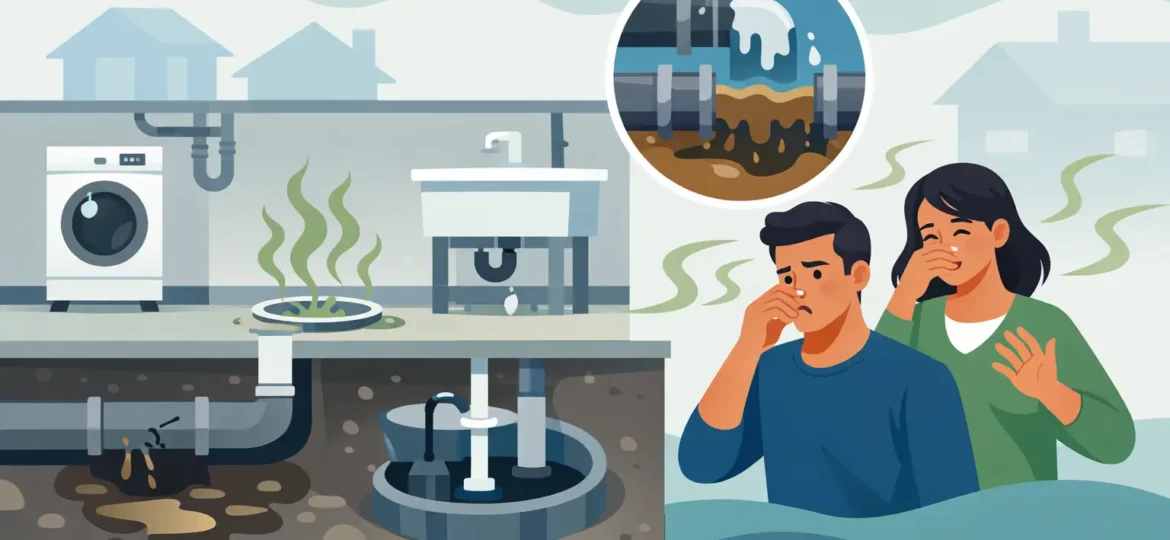
A basement that smells like sewage is not just unpleasant. It usually means something in your plumbing, drain, or vent system is not working the way it should. When homeowners start searching for basement sewage odor causes, they are usually dealing with more than a bad smell. They are trying to figure out whether they have a simple fix, a hidden sewer problem, or an emergency on their hands.
That smell matters because sewer gas can point to clogged drains, dry traps, broken seals, pump problems, or sewer line trouble. Sometimes the issue is minor. Sometimes it is the first warning before a backup. The key is figuring out where the odor is coming from and whether it shows up all the time or only under certain conditions.
Most common basement sewage odor causes
In a lot of homes, the source comes down to one of a few usual suspects. A floor drain with a dry trap is one of the most common. That drain is designed to hold a small amount of water that blocks sewer gas from coming back into the house. If the drain has not been used in a while, the water can evaporate and let the smell through.
Another common problem is a loose or failed wax ring under a basement toilet. When that seal breaks down, sewer gas can escape around the base. You may not see water on the floor right away, which is why some people miss it. The smell may be strongest near the toilet, especially after flushing.
A sewage ejector pump basin can also be the issue. Many finished basements and lower-level bathrooms rely on an ejector pump to move wastewater up to the main sewer line. If the lid is not sealed right, if the vent is not working, or if the pump is starting to fail, odors can escape into the basement.
Then there is the main sewer line itself. A partial blockage, cracked pipe, or root intrusion can create slow drainage and push sewer gas back through basement fixtures. This is where the smell may come with gurgling drains, water backing up, or multiple plumbing fixtures acting up at the same time.
When the smell points to a drain problem
If the odor is strongest near a basement floor drain, utility sink, shower, or rarely used bathroom fixture, start there. In many cases, the trap simply needs water. Pouring water into the drain may restore the seal and stop the smell if evaporation is the only problem.
But it is not always that simple. Organic buildup inside the drain can create a foul odor that smells like sewage even when the trap has water in it. Hair, soap scum, grease, and bacteria can stick to the drain walls and rot over time. That usually needs a proper cleaning, not just a quick rinse.
If the smell keeps returning, the trap may be leaking or the drain line may be partially blocked. A clog can stir up gases and force them into the basement. If water drains slowly or makes bubbling sounds, that is a sign the problem goes deeper than surface odor.
Dry traps are common in unused basements
This happens a lot in guest bathrooms, storage basements, and utility areas. Nobody runs water there for weeks or months, the trap dries out, and sewer gas gets a straight path into the room. It is easy to overlook because the plumbing is technically still connected and there may be no visible leak.
The trade-off is that a dry trap is one of the easier fixes, but it can also distract from bigger issues. If you add water and the smell is back in a day or two, that is a clue the trap may be siphoning dry, cracked, or tied to a venting problem.
Basement sewage odor causes tied to venting issues
Your plumbing system needs vent pipes to move sewer gases safely outside and keep pressure balanced in the drain lines. When a vent is blocked by debris, leaves, bird nests, or even frost in colder weather, the system can start pulling water out of traps or forcing odors back into the house.
This can be tricky because the problem may not seem like a roof vent issue at first. You may notice a sewage smell in the basement after flushing an upstairs toilet or running a washing machine. You might also hear gurgling from basement drains. That pattern often points to poor venting.
A blocked vent is not always a homeowner-level fix. It depends on roof access, the age of the system, and whether the blockage is near the opening or farther down the line. The important part is not to ignore the signs. Vent issues can affect the whole drainage system, not just one fixture.
Problems with ejector pumps and sump areas
Not every basement pit is the same. A sump pump pit handles groundwater. A sewage ejector pump basin handles wastewater from lower-level plumbing fixtures. If the smell is coming from the wrong kind of pit, the diagnosis changes fast.
A sewage ejector basin should be tightly sealed. If the lid is loose, cracked, or missing bolts, odors can escape. If the check valve or discharge line has issues, wastewater may not move out properly. If the pump is struggling, solids can sit too long and create strong odor around the basin.
Sometimes homeowners assume the sump pump is the source because that is the pit they can see. In reality, the smell may be coming from a nearby ejector system or drain line. It takes a careful inspection to separate groundwater issues from sewage system issues.
What a failing pump may look like
You may hear the pump run more often than normal, or not run at all. Fixtures in the basement may drain slowly. There may be a smell near the pump closet or mechanical room. In worse cases, you may see wet spots, seepage, or actual backup around the basin.
At that point, waiting is risky. Pump failures do not usually improve on their own, and basement wastewater problems can turn from odor to cleanup fast.
Sewer line damage can create basement odor fast
Some of the more serious basement sewage odor causes are tied to the main sewer line. A damaged sewer pipe can leak gas before it leaks wastewater. That means you might smell the problem before you see any standing water.
Tree root intrusion is a common cause, especially in older properties. Roots can work their way into small pipe joints and keep growing until they slow or block the line. Cracks, collapsed sections, and shifted pipes can do the same thing. In commercial buildings or rental properties, heavy usage can make those weaknesses show up sooner.
If more than one drain is slow, if toilets are bubbling, or if the smell gets worse after running water, think bigger than one fixture. Those are signs the main line may need inspection and cleaning.
How to tell if it is a simple issue or a real plumbing problem
A one-time odor from an unused drain may be simple. A sewage smell that keeps coming back is different. If the odor is isolated to one drain, one bathroom, or one pump area, that helps narrow it down. If it spreads across the basement or changes when water is used elsewhere in the house, the system is telling you something.
Watch for warning signs like slow drains, gurgling sounds, water around the base of a toilet, odor near a utility sink, or a smell that gets stronger after laundry or showers. Those details matter. They can point to trap failure, vent issues, pump trouble, or a sewer line problem.
There is also a safety piece here. Sewer gas exposure in small amounts often shows up as a nasty smell first, but it is still not something you want lingering in your home or building. And if the source is a hidden leak, the damage can spread behind walls or under floors before you catch it.
What you can check before calling a pro
You can start by running water in all basement fixtures, especially floor drains and guest bathroom drains that do not get much use. Check around the base of a basement toilet for movement or odor. Look at any visible pump basin lid to see if it appears loose or damaged. Pay attention to whether the smell changes after flushing, showering, or using the washing machine.
That said, avoid guessing too long. Drain chemicals will not fix a broken wax ring, a blocked vent, a bad ejector pump, or a damaged sewer line. And if there is an active backup risk, you do not want to wait until sewage is on the floor.
For homeowners and property managers around Chattanooga, this is the kind of problem that deserves a straight answer and a real inspection. Companies like Chatta-Rooter Plumbing deal with these systems every day, from basement drain odors to ejector pump failures to full sewer line trouble.
If your basement smells like sewage, trust your nose. Bad odors are often the first warning that wastewater is not moving the way it should. Catch it early, and you may be dealing with a repair. Wait too long, and you may be dealing with damage, cleanup, and a much bigger bill.