

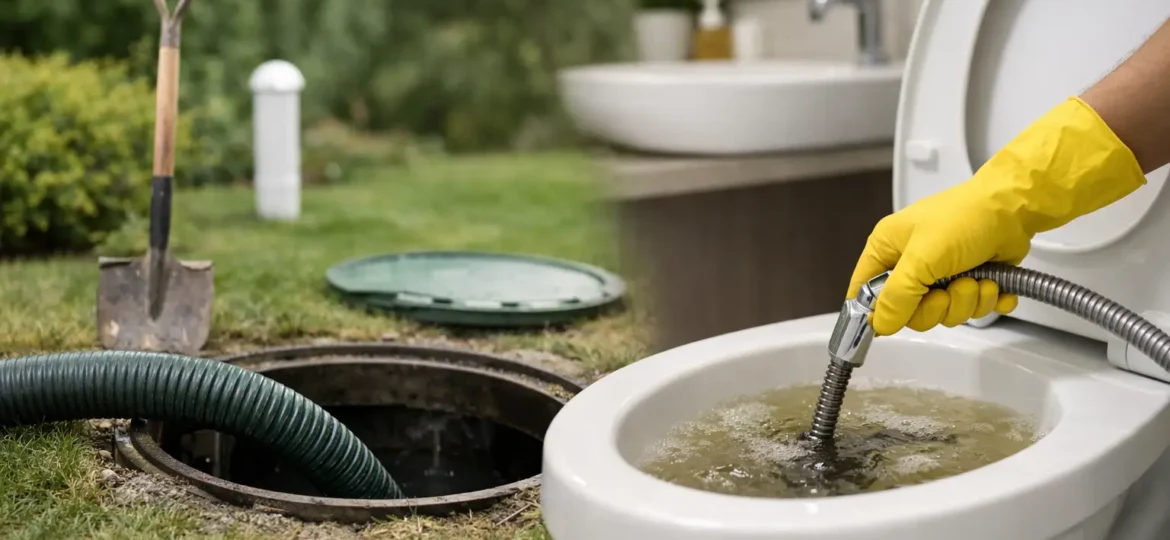
A septic backup usually starts small. A slow toilet. A drain that gurgles. A wet patch in the yard you hoped would dry out on its own. Then it turns into sewage where it does not belong, a mess nobody wants to clean up, and a repair bill that gets expensive fast. If you want to know how to prevent septic backups, the answer is not one magic fix. It is a combination of smart use, routine maintenance, and catching trouble before it becomes an emergency.
How to prevent septic backups starts with knowing the cause
Most septic backups happen for the same handful of reasons. The tank gets too full because it has not been pumped on schedule. Too much water hits the system in a short period of time. Things that should never be flushed or drained into the system create clogs. Or the drain field stops absorbing wastewater the way it should.
That matters because prevention depends on the actual weak point in your system. A family of six using an undersized system has a different risk than a small rental home with guests flushing wipes every weekend. The right plan is practical, not generic.
Your septic system is built to handle wastewater and solids in a controlled way. Solids settle in the tank, oils and grease float, and partially treated water flows out to the drain field. When that balance gets thrown off, pressure builds in the wrong places. That is when sewage backs up into tubs, showers, toilets, or floor drains.
Pump the tank before it becomes a problem
If there is one habit that prevents more backups than anything else, it is regular pumping. Waiting until the system smells bad or sewage comes back into the house is waiting too long.
Most residential septic tanks need pumping every three to five years, but that range is only a starting point. It depends on household size, tank size, garbage disposal use, and how much water your home sends into the system. Larger families usually need more frequent service. Homes with heavy laundry use often do too.
A lot of property owners guess at the schedule or assume the previous owner handled it. That is risky. If you do not know when your tank was last pumped, find out or have it inspected. Staying ahead of sludge buildup is far cheaper than dealing with a backup, drain field damage, or sewage cleanup.
Watch what goes down your drains
Septic systems are not trash cans. They are also not built to process every product labeled flushable.
Toilets should handle human waste and toilet paper. That is it. Wipes, paper towels, feminine products, diapers, cotton swabs, dental floss, and hygiene products do not break down the way people think they do. They can collect in the line, hang up on rough spots, or make it harder for solids to separate inside the tank.
Kitchen drains create a different problem. Grease, fats, coffee grounds, egg shells, pasta, rice, and food scraps all add stress to the system. Even if they make it through the sink trap, they do not just disappear. Grease can harden in the line, and food waste adds solids to the tank faster than normal.
Garbage disposals are convenient, but they increase the load on a septic tank. If your home is on septic, use the disposal sparingly or avoid it when possible.
Spread out water use
A septic system can only process so much water at one time. Flood it with back-to-back showers, multiple laundry loads, and a dishwasher cycle all in the same window, and you can overwhelm the tank or drain field. That does not always cause an immediate backup, but over time it pushes the system harder than it should be pushed.
This is one of the most overlooked answers to how to prevent septic backups. People focus on what gets flushed, but volume matters too.
Try to spread laundry loads throughout the week instead of running them all in one day. Fix leaking toilets and dripping faucets quickly. High-efficiency fixtures can help, especially in larger households. If you run a business or manage a rental property, water use patterns matter even more because occupancy can change fast.
Too much water in too little time can stir up solids in the tank and send them toward the outlet. It can also keep the drain field too wet to treat wastewater properly. Neither situation ends well.
Protect the drain field like it actually matters
The drain field is where many septic failures show up, and once that area is damaged, repairs can get expensive. A healthy drain field needs untreated soil, good drainage, and room to breathe.
Do not drive or park over it. Heavy vehicles can compact the soil or crush lines. Do not build patios, sheds, or other structures over the area either. If you have a landscaping project planned, know exactly where the septic components are before you start digging.
Tree roots are another common problem. Roots naturally seek moisture, and septic lines give them a target. Planting trees or large shrubs too close to the tank or drain field can lead to root intrusion and blockages. Grass is fine. Deep-rooted plants are usually not.
You also want surface water moving away from the drain field, not toward it. Poor grading, downspouts pointed the wrong way, and drainage problems can saturate the area and reduce its ability to absorb effluent.
Be careful with additives and cleaners
A lot of septic additives are sold as easy insurance. Some claim they eliminate the need for pumping. Others promise to restore bacterial balance or break down solids. The truth is, additives are not a replacement for proper maintenance, and some can do more harm than good.
A healthy septic tank already contains the bacteria it needs from normal household waste. Dumping in chemicals or aggressive treatments can disrupt that environment. Harsh drain cleaners, bleach overuse, solvents, paint products, and antibacterial products can also interfere with the system.
That does not mean you need to avoid every cleaning product in your house. Normal use is usually fine. The issue is excessive use or pouring the wrong materials down the drain. Septic care works best when you keep things simple and avoid putting unnecessary stress on the system.
Know the early warning signs
Backups rarely come out of nowhere. Most systems give you a warning window. The trouble is that many homeowners miss it or hope it goes away.
Slow drains in multiple fixtures are a red flag, especially if the issue is not isolated to one sink or one toilet. Gurgling sounds, sewage odors inside or outside, wet spots over the drain field, and toilets that struggle to flush can all point to septic trouble. If the lowest drains in the house start acting up first, that is often a sign wastewater has nowhere to go.
Do not keep using the system heavily when those signs show up. More water usually makes the problem worse. If you have standing sewage or wastewater backing up into the home, that is an urgent service call.
How to prevent septic backups in older systems
Older septic systems need a little more attention because age adds variables. Baffles can deteriorate. Lines can sag or collapse. The tank may be undersized for the current household. What worked for two people twenty years ago may not work for a full house today.
If your system is older and you have repeated slow drains, recurring wet spots, or frequent pumping needs, an inspection is worth it. This is especially true if you recently bought the property and have limited records. A camera inspection or site evaluation can reveal whether the issue is maintenance, damage, or system design.
For homeowners and property managers in the Chattanooga area, this is where local experience matters. Soil conditions, slope, rainfall, and property layout can all affect septic performance. A contractor who works these systems every day can usually spot patterns faster than someone guessing from a checklist.
Prevention is cheaper than cleanup
Septic backups are messy, disruptive, and expensive for a reason. Once sewage enters the home, you are not just dealing with a plumbing issue anymore. You may be dealing with damaged flooring, contaminated materials, foul odors, and time lost trying to get life back to normal.
Preventing that kind of problem is not complicated, but it does take consistency. Pump the tank on schedule. Keep solids and grease out of the system. Spread out heavy water use. Protect the drain field. Pay attention when the system starts showing you that something is off.
A septic system does not need much fanfare. It needs basic care, common sense, and a fast response when warning signs show up. Handle those three things well, and you give yourself the best shot at keeping sewage where it belongs.