

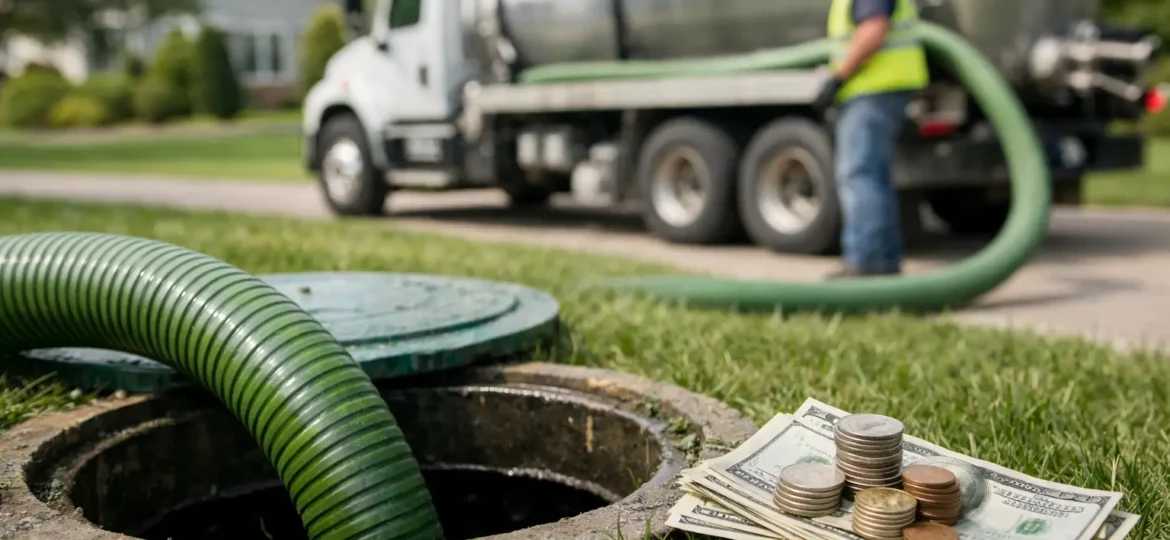
Nobody wants to price septic pumping on the same day the toilets start gurgling. But that is usually when the question hits: what does septic pumping cost, and why do prices seem to move so much from one job to the next?
The short answer is that most septic pumping jobs fall within a reasonable range, but the final number depends on tank size, access, waste level, location, and whether the crew finds a bigger issue while pumping. If you are comparing quotes, the cheapest number is not always the best deal. A low price can leave out digging, filter cleaning, extra sludge removal, or basic inspection that should have been part of the visit in the first place.
What does septic pumping cost on average?
For a standard residential septic tank, pumping often lands somewhere between $300 and $700. Many routine jobs on average-sized tanks fall in the middle of that range. Larger tanks, heavily loaded systems, commercial tanks, or emergency calls can run higher.
That range is wide for a reason. Septic pumping is not a one-size-fits-all service. A 1,000-gallon tank with easy lid access is a different job than a buried tank that has not been serviced in years. If the crew has to locate the tank, uncover lids, break through hard-packed soil, or deal with a system that is backing up into the home, the price can climb.
In other words, you are not just paying for someone to suck out waste and leave. You are paying for the truck, disposal, labor, time on site, and the experience to spot warning signs before a bad day turns into a much more expensive repair.
What affects septic pumping cost the most?
The biggest factor is tank size. A larger tank holds more material, takes longer to pump, and costs more to haul and dispose of. A 750-gallon tank usually costs less than a 1,500-gallon tank, and a commercial tank can be in a different pricing category altogether.
Access is another major factor. If the lids are exposed and easy to reach, the job is straightforward. If the tank is buried deep, hidden under landscaping, or difficult to reach with pumping equipment, expect added labor. Even a simple dig-out can change the final bill.
How full the tank is also matters. Routine maintenance pumping is usually faster and cleaner than pumping a tank that is overdue and packed with solids. If sludge levels are high, the work can take longer and require more effort to fully clear the tank.
Then there is timing. A scheduled maintenance appointment during normal business hours typically costs less than emergency service at night, on a weekend, or during a holiday. When a system is backing up and you need help now, emergency response has real value, but it usually comes at a premium.
Location can also play a role. Disposal fees, drive time, and local operating costs vary by area. In parts of southeast Tennessee and north Georgia, pricing may differ based on distance, terrain, and how easy it is to access the property with a pump truck.
Why one septic pumping quote can be much higher than another
When one company quotes far less than another, it is worth asking exactly what is included. Some prices cover only basic pumping from an easily accessible tank. Others include uncovering lids, checking baffles, cleaning the effluent filter, and giving you a clear read on the tank condition.
That difference matters. A septic tank should not be pumped blind. If nobody checks the inlet and outlet condition, the liquid level, or signs of root intrusion or drain field stress, you may save a few dollars upfront and still miss the problem that caused the warning signs.
A higher quote is not always overcharging. Sometimes it reflects a more complete job. That said, high pricing should still come with a clear explanation. Flat-rate, upfront pricing is usually the better way to go because you know what the service includes before the truck starts working.
When septic pumping costs more than expected
Sometimes the pumping itself is not the whole story. A tank can be full because it is simply due for service. But it can also fill abnormally fast because something else is wrong.
If the crew finds a clogged outlet filter, a damaged baffle, a failing pump, or signs that the drain field is not accepting water properly, your total cost may rise beyond standard pumping. In those cases, the extra expense is not the company padding the invoice. It is the system telling you there is a problem that pumping alone will not fix.
This is where experience matters. A good septic company does not just pump and disappear. They tell you whether the tank looks normal, whether solids are where they should be, and whether any part of the system is showing signs of failure.
How often pumping affects what you pay
Regular pumping usually costs less over time than waiting until there is an emergency. Most homes need septic pumping every 3 to 5 years, but that depends on household size, tank capacity, water use, and whether you use a garbage disposal.
Homes with more people, frequent laundry loads, and heavy water use tend to need pumping more often. Rental properties can be especially unpredictable because usage patterns change. Commercial properties can have even tighter pumping schedules depending on the type of business and wastewater load.
If you wait too long, solids can move beyond the tank and into the drain field. Once that happens, the cost conversation changes fast. Pumping is maintenance. Drain field repair or septic replacement is a much bigger bill.
Is cheap septic pumping worth it?
Sometimes yes, if the company is established, the scope is clear, and the tank is easy to access. But if a price looks unusually low, ask a few direct questions.
Does the quote include both compartments if the tank has them? Does it include digging if the lids are buried? Will they check the filter and basic tank components? Are disposal fees included? Is the price still good if the tank is fuller than expected?
The goal is not to chase the cheapest number. The goal is to solve the problem completely and avoid paying twice. That is especially true if you are already seeing slow drains, sewage odors, wet ground near the tank, or backup inside the house.
How to keep septic pumping costs under control
The best way to manage cost is simple: stay on schedule. Routine pumping is almost always cheaper than emergency pumping after a backup. It also gives you a better shot at catching wear and tear before it turns into a repair call.
You can also help your system by being careful about what goes down the drain. Grease, wipes, paper towels, hygiene products, and harsh non-flushable waste all add stress to the tank and system. Too much water in a short period can also overload the drain field, especially if the system is already borderline.
Keep your tank lids accessible if possible. If you know where the tank is and the lids are not buried under heavy landscaping or hardscape, future service is usually faster and less expensive.
And if you own a property with a pump tank, grinder pump, or ejector system, stay ahead of those components too. Mechanical failures can look like a full septic tank at first, but the real issue may be elsewhere in the wastewater system.
What homeowners and property owners should ask before booking
Before you schedule, ask what the service includes, whether there are added charges for digging or difficult access, and whether the crew will inspect the tank condition while pumping. Ask if pricing is flat-rate and upfront. If this is an emergency, ask about after-hours charges before dispatch.
If you have no idea when the tank was last pumped, say that upfront. If the property has recurring backups, wet spots, or odors, mention that too. A company that knows what it is walking into can give you a more accurate estimate and show up ready for the real job.
For homeowners and businesses in the Chattanooga area, that local experience matters. Soil conditions, property layouts, older systems, and commercial wastewater demands all affect how a septic job goes in the field. Companies that handle septic work every day tend to spot trouble faster and price the work more accurately.
A fair septic pumping price is not just about gallons removed. It is about showing up on time, doing the job thoroughly, and telling you the truth about what your system needs. If you are asking what does septic pumping cost, the better question might be this: what will it cost if you keep putting it off?