

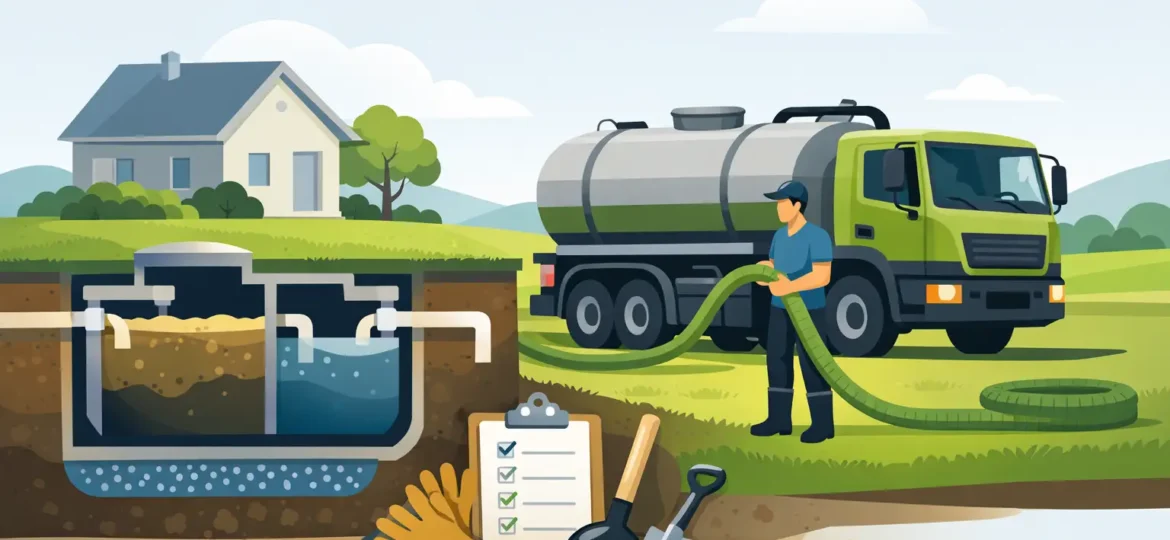
If your septic tank is due for service, a little prep work can save you time, money, and a whole lot of hassle. Knowing how to prepare for septic pumping helps the crew get in, do the job safely, and spot problems before they turn into backups, bad smells, or expensive repairs.
Most pumping appointments are straightforward. The trouble starts when the tank lid is buried, the access area is blocked, or no one knows where the system is located. That can slow the job down and, in some cases, add labor you could have avoided with a few simple steps.
Why preparation matters before septic pumping
Septic pumping is not just about sucking waste out of a tank and moving on. A good service visit also gives the technician a chance to check sludge levels, look for signs of damage, and tell you if the tank, baffles, or drain field may need attention. If the crew cannot reach the tank easily or has to spend extra time digging, moving obstacles, or tracking down the system, that inspection becomes harder and the appointment takes longer.
For homeowners and property managers, preparation is also about reducing stress. If you have guests, tenants, or a busy household, it helps to know what the technician needs before the truck arrives. That way the day goes smoother and the pumping can be done without unnecessary delays.
How to prepare for septic pumping before the truck arrives
Start with the tank location. If you know where your septic tank is, mark it clearly. If you have a diagram, an old inspection report, or paperwork from a previous pumping, keep it handy. If you are not sure where the tank sits, say that when you schedule service. Guessing on the day of the appointment wastes time, and in some yards it can turn a simple visit into a search job.
Once you know the area, make sure the path is open. Septic pumping trucks need reasonable access, and the hose still has practical limits. Move vehicles, trailers, lawn equipment, and anything else blocking the driveway or the route to the tank. If you have a locked gate, make sure someone is available to open it.
It also helps to clear the ground around the access point. Patio furniture, planters, kids’ toys, and decorative landscaping features should be moved out of the way. If the lid is under mulch, gravel, or light cover, expose it if you can. If it is buried deep, do not start digging unless you know exactly where the lid is and can uncover it safely.
Mark lids, risers, and known components
If your system has risers, inspection ports, or visible lids, mark them with flags or another clear marker. This is especially helpful on larger properties or commercial sites where the septic system is not obvious from the driveway. Marking known components gives the technician a head start and reduces the chance of unnecessary digging.
If your yard has recently been landscaped, mention that too. Fresh sod, new flower beds, retaining walls, and irrigation lines can affect how the crew approaches the tank. A heads-up helps protect your property and keeps everyone on the same page.
Keep pets and children away from the work area
Septic pumping is not a job for curious kids or loose dogs. The hoses are large, the truck is heavy, and the tank opening creates a real safety risk when the lid is off. Keep pets indoors or behind a secure fence, and make sure children stay clear of the work zone until the job is complete.
This is a simple step, but it matters. It protects your family, helps the crew work faster, and avoids interruptions during a job that already requires close attention.
What to do inside the house before septic pumping
You usually do not need to shut your home down completely, but it is smart to cut back on water use around the appointment time. Avoid doing laundry, running the dishwasher, or taking long showers right before and during pumping if possible. Heavy water use can stir up the tank contents and make it harder to assess what is going on inside.
If you manage a rental property, small business, or multi-use building, let occupants know the service is scheduled. Ask them to limit water use for a short window. In a commercial setting, that may mean planning around peak restroom traffic or kitchen use.
You should also make a note of any warning signs you have noticed. Slow drains, sewage odors, gurgling toilets, wet spots in the yard, or backups should be mentioned to the technician. Pumping may help, but those symptoms can also point to a bigger problem such as a damaged baffle, clogged outlet line, or drain field trouble. The more information you give, the better the diagnosis.
Questions to ask when scheduling service
A solid septic company will explain what they need from you before arrival. Even so, it pays to ask a few direct questions. Ask whether the lid needs to be exposed ahead of time, how close the truck needs to get, and whether there may be extra charges if the tank is hard to locate or access.
You can also ask what is included in the pumping. Some appointments are basic pump-outs, while others include a visual inspection of key tank components. If your system has pumps, alarms, filters, or multiple compartments, say so when you call. Not every septic setup is the same, and the details matter.
This is also a good time to ask about payment, timing, and whether someone needs to be on site. Clear expectations make the whole process easier, especially if you are coordinating service for a tenant, a parent, or a commercial property.
Common mistakes that slow down septic pumping
The biggest mistake is waiting until there is an emergency. If sewage is already backing up into the house or surfacing in the yard, the job may be more urgent and more complicated than routine maintenance. Regular pumping is almost always easier and cheaper than dealing with a full-blown septic failure.
Another common issue is covering tank lids with heavy landscaping. Large rocks, built-in planters, decks, and other permanent features over septic access points create headaches when service is needed. A clean yard may look great, but access still matters.
Homeowners also sometimes flush additives or treatments into the system right before service, thinking it will help. In most cases, that is unnecessary. If your tank needs pumping, it needs pumping. Additives are not a shortcut, and they do not replace proper septic maintenance.
What happens during the pumping appointment
Once the technician has access to the tank, they will open the lid, inspect the contents, and pump out the waste. In many cases, they will also check for signs of structural damage or abnormal wear. If they see broken baffles, root intrusion, excessive solids, or signs that the drain field may be struggling, they should tell you plainly.
That matters because pumping is maintenance, not a cure-all. If the system has underlying damage, pumping may relieve symptoms for a while without fixing the real issue. A dependable septic company will tell you the difference instead of just taking the job and leaving.
For Chattanooga-area property owners, that straightforward approach matters. Companies like Chatta-Rooter Plumbing build their reputation on showing up, charging fairly, and handling septic work the right way, not the fast-and-loose way.
After pumping, what should you do next?
Keep the service record. Write down the date, what was done, and any issues the technician mentioned. If you do not already have a septic file for your home or property, start one. That record helps with future maintenance, property sales, and troubleshooting if problems come up later.
You should also ask when the tank should be pumped again. The answer depends on household size, tank size, water use, and whether you have a garbage disposal. A smaller household may go longer between pump-outs, while a busy home or commercial property may need more frequent service.
If the technician recommends repairs, do not sit on them too long. A missing baffle, failing pump, or drain field issue does not usually get cheaper with time. Catching septic problems early is one of the few ways to keep them from turning into major messes.
Preparing for septic pumping is really about making routine maintenance stay routine. Clear access, good information, and a little planning go a long way. When the tank is easy to reach and the crew knows what they are walking into, the job gets done faster, cleaner, and with fewer surprises.