
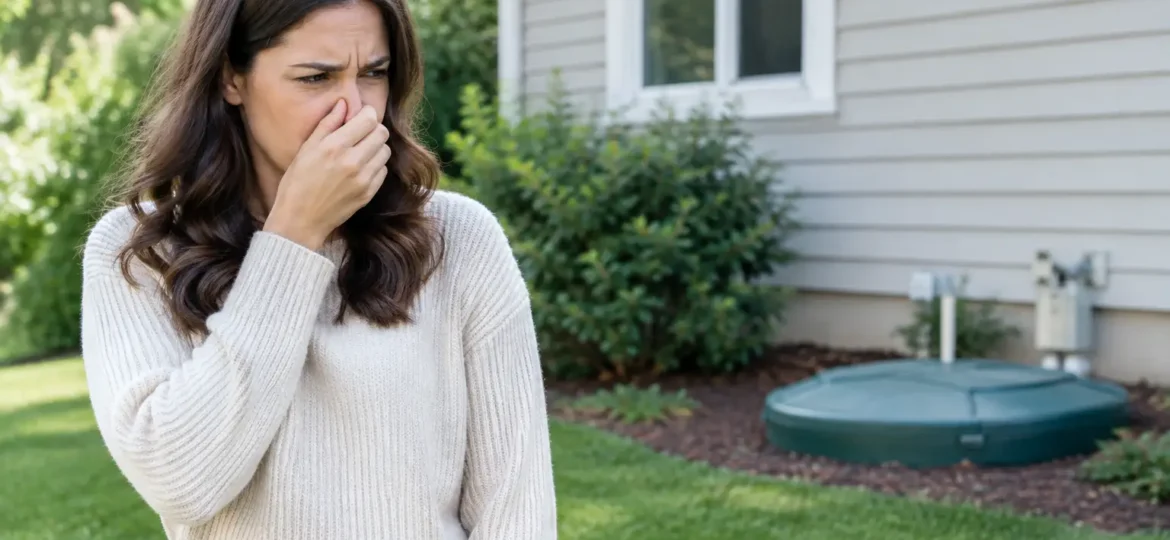
A septic smell is not something to cover up with air freshener and hope for the best. That rotten-egg, sewage, or musty odor is your system telling you something has changed. What causes septic odors can range from a simple dry drain trap to a full septic tank, damaged drain field, or sewer gas leak. The key is knowing which smells can wait and which ones need immediate service.
For homeowners, landlords, and business owners, septic odors often show up at the worst possible time: before guests arrive, during heavy rain, or after a toilet starts draining slowly. The faster you identify the source, the better chance you have of avoiding a sewage backup, property damage, and a much larger repair bill.
What Causes Septic Odors? Start With Where You Smell Them
The location of the odor is one of the best clues. A smell inside the house points to a different set of problems than an odor around the septic tank, drain field, or yard.
If the odor is strongest in one bathroom, laundry room, basement, or unused sink, the problem may be close to that fixture. If the smell is outside near the tank or over the drain field, the system may be overloaded, overdue for pumping, or struggling to move wastewater through the soil. A sewage smell throughout the house, especially along with slow drains or gurgling toilets, needs prompt attention.
Do not assume an outdoor smell is harmless just because it is outside. Septic gases can be unpleasant, and a strong or recurring odor can signal wastewater surfacing where it should not.
A Full Septic Tank Can Push Odors Back Toward the House
Every septic tank fills with solids over time. Bacteria break down part of that waste, but sludge and scum remain in the tank and must be pumped out on a regular schedule. When the tank gets too full, it has less room to separate solids from wastewater. That can lead to odors at the tank, backups in the home, and solids moving toward the drain field.
The right pumping interval depends on tank size, household size, water use, garbage disposal habits, and the age of the system. Many homes need pumping every three to five years, but that is not a rule that fits every property. A busy household with a smaller tank may need service sooner.
Warning signs of an overloaded tank include toilets that flush slowly, drains that gurgle, sewage odors near plumbing fixtures, wet ground around the tank, or wastewater backing up into tubs and showers. If you see a backup, stop running water. Do not keep flushing, washing clothes, or taking showers while the system is already overwhelmed.
Dry Drain Traps Let Sewer Gas Into the Building
Not every septic odor means the tank has failed. Every sink, tub, shower, and floor drain has a trap that holds water. That water creates a seal that blocks sewer gas from coming back into the building.
A drain that is rarely used can dry out, especially in guest bathrooms, utility rooms, basements, vacant rentals, and commercial spaces with unused floor drains. Once the water seal is gone, odors can come up through the drain opening.
Try pouring water into the drain and see whether the odor improves over the next day. For a floor drain or rarely used fixture, a small amount of mineral oil after adding water can slow evaporation. If the smell continues, the trap, venting, or drain line may have a more serious issue.
Broken or Blocked Plumbing Vents Cause Indoor Odors
Your plumbing vent system runs through the roof and lets sewer gases escape safely outside. It also helps drains flow correctly by balancing air pressure in the pipes. When a vent is blocked by leaves, nests, debris, or damage, odors may build up inside the home instead of venting outdoors.
You may also hear gurgling from toilets or sinks when a vent is restricted. In some cases, a cracked vent pipe inside a wall or attic releases sewer gas where it does not belong. These problems are not always visible from the ground, and climbing onto a roof to investigate is rarely worth the risk. A professional inspection can identify whether the issue is a vent obstruction, a damaged pipe, or a failing drain connection.
Drain Field Problems Often Smell Worse After Rain
The drain field is where treated wastewater leaves the septic tank and filters through soil. When it is working properly, you should not smell sewage over the field or see standing wastewater. A strong septic odor in the yard is often a warning that the drain field is saturated, compacted, clogged, or unable to absorb water fast enough.
Heavy rain can make the problem more obvious because wet soil has less capacity to accept additional wastewater. The same thing can happen if downspouts, sump pump discharge, or surface drainage sends extra water toward the field. Driving vehicles over the drain field can compact soil and damage buried lines, while tree roots can interfere with system components.
A failing drain field may also cause unusually green grass, soggy spots, slow drains inside the building, or sewage surfacing in the yard. Pumping a full tank may provide temporary relief, but pumping alone will not repair a damaged or saturated drain field. The cause has to be diagnosed before the system can be fixed correctly.
Damaged Tank Lids, Risers, and Pipes Let Odors Escape
A septic tank should be sealed except for its designed access points and venting. A cracked lid, loose riser cover, damaged baffle, or broken line can allow odors to escape near the tank or along the route between the house and the tank.
Older systems are especially likely to have worn concrete lids, corroded components, or shifts in the piping. Ground movement, root growth, and heavy equipment can also damage buried lines. If an odor is concentrated around one specific spot in the yard, do not dig blindly. Septic tanks and lines can be hazardous, and a damaged lid can create a serious fall risk.
A proper septic inspection can locate leaks, check tank levels, inspect baffles, and determine whether the problem is in the tank, sewer line, pump system, or drain field.
Garbage Disposals, Grease, and Excess Water Add Stress
Some odor problems start with what goes down the drain. Grease, wipes labeled “flushable,” paper towels, feminine products, coffee grounds, and large amounts of food waste do not belong in a septic system. They can clog pipes, fill the tank faster, and interfere with the natural treatment process.
Garbage disposals deserve special attention. They are convenient, but they add more solids to the tank. If your household uses one regularly, your septic tank may need pumping more often. That trade-off is manageable when you plan for it, but it becomes expensive when maintenance gets skipped.
Excess water is another common problem. Leaking toilets, dripping faucets, long laundry cycles, and multiple high-water activities in one day can overload a system. Spread laundry loads out when possible, repair leaks quickly, and keep roof runoff away from the septic area.
When a Septic Odor Is an Emergency
Call for professional help right away if you have sewage backing up into the home, wastewater pooling in the yard, a strong sewage smell combined with slow drains, or odors around a commercial restroom or kitchen drain. These are not problems to solve with drain cleaner or a quick flush.
Avoid chemical drain cleaners and septic additives as a first response. Harsh chemicals can damage plumbing, disrupt the bacteria your septic system relies on, and fail to address the actual obstruction or system failure. A camera inspection, tank evaluation, and drain field assessment provide real answers.
For Chattanooga-area property owners, Chatta-Rooter Plumbing can inspect the system, pump the tank when needed, locate line problems, and handle septic repairs before a bad smell becomes a messy backup. You should receive clear findings and upfront pricing, not guesswork.
A septic system does not usually fail without giving warnings. Pay attention when an odor returns, gets stronger after rain, or appears alongside slow drains and wet ground. Acting early is the practical way to protect your home, your yard, and everyone who depends on the property.