

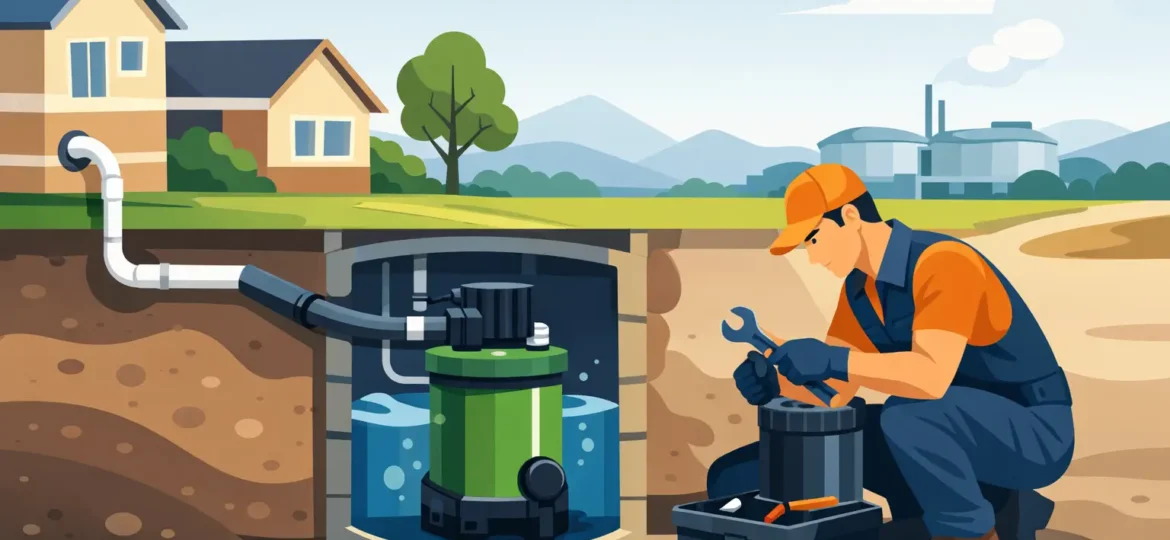
A grinder pump usually gives you a warning before it quits completely. You might hear an alarm, notice slow drains, smell sewage near the tank, or see wastewater backing up where it should not. If you need grinder pump repair Chattanooga property owners can count on, the key is acting fast before a small pump problem turns into a full sewage mess.
A grinder pump is not a standard drain or septic component you can ignore for a few days and hope it clears up on its own. It handles wastewater and solids, grinds them down, and pushes them uphill or over distance to the sewer or septic connection point. When it fails, the problem affects the whole system. That is why quick diagnosis matters.
What a grinder pump actually does
Most people do not think about a grinder pump until it stops working. That makes sense. It is buried work. But when a property relies on one, it is one of the most important pieces in the wastewater system.
A grinder pump sits in a basin and activates when wastewater reaches a certain level. Inside, the pump breaks down solids and sends the wastewater through a pressure line. This setup is common in homes and commercial properties where gravity alone will not move sewage where it needs to go.
That means one failed component can shut down bathrooms, kitchens, laundry, and normal daily use. In a commercial setting, it can interrupt operations fast.
Signs you may need grinder pump repair in Chattanooga
Some pump failures are sudden. Others start with symptoms that get worse over time. The trouble is that many property owners wait too long because the system still sort of works.
If your grinder pump alarm is going off, do not assume it is a glitch. Alarms are there for a reason. They usually mean the water level in the basin is too high, the pump is not cycling correctly, or power is not reaching the unit.
Slow drains across the property can also point to a pump issue, especially if the building depends on a grinder pump to move sewage out. Foul odors around the tank or basin area are another red flag. So are gurgling fixtures, soggy ground near the system, or sewage backup at the lowest drains in the building.
Intermittent problems matter too. If the alarm resets and then comes back, or the pump works sometimes but not others, that usually means something is wearing out. Waiting rarely makes the repair cheaper.
Why grinder pumps fail
There is no single reason every pump breaks down. Sometimes it is age. Sometimes it is misuse. Sometimes the issue is electrical, mechanical, or tied to the tank and float system.
One common problem is flushing or draining the wrong materials. Grinder pumps are tough, but they are not built for wipes, grease, feminine products, paper towels, cat litter, or other debris that should never enter the system. Even products labeled flushable can jam the pump or interfere with the cutter assembly.
Power issues are another big cause. A tripped breaker, bad control panel, failed capacitor, damaged wiring, or float switch malfunction can keep the pump from activating when it should. In storms or after power interruptions, these problems can show up fast.
Then there is plain wear and tear. Motors burn out. Seals fail. Impellers wear down. Float switches stick. Check valves stop doing their job. If the unit has been cycling too often or handling more volume than it was designed for, those parts can fail earlier.
Grinder pump repair Chattanooga properties often need most
A lot of calls come down to a handful of repair categories. The exact fix depends on the age of the pump, the type of system, and how severe the failure is.
Sometimes the repair is as simple as replacing a faulty float switch or correcting an electrical issue. Other times the pump has to be pulled, cleaned, and inspected for a clog or damaged internal parts. In more serious cases, the motor or cutter assembly has failed and replacement is the smarter move.
That is where experience matters. You do not want guesswork on wastewater equipment. A technician should be able to tell the difference between a repair that buys real service life and a temporary patch that leaves you with the same problem next month.
Repair or replace? It depends
Not every bad grinder pump should be repaired. Not every failing pump needs full replacement either. The right call depends on cost, condition, and how reliable the system needs to be.
If the pump is newer and the issue is isolated, repair usually makes sense. A stuck float, control problem, or localized clog can often be fixed without replacing the entire unit. If the basin and pressure line are in good shape, repairing the pump can be the most cost-effective option.
If the unit is older, has repeated breakdowns, or has major internal damage, replacement may save money in the long run. That is especially true for commercial properties, rentals, or busy households where downtime creates bigger problems. Paying for repeated service calls on a failing pump can add up fast.
This is also where honest pricing matters. A good contractor should tell you when a repair is worth doing and when it is not.
What to do before the technician arrives
If your grinder pump alarm is active or you suspect failure, reduce water use right away. Every toilet flush, sink use, shower, or laundry load adds more wastewater to the basin. If the pump is not moving sewage out, the basin can fill to the point of backup.
Check the breaker if it is safe to do so, but do not start opening electrical components or the basin itself unless you know exactly what you are dealing with. Wastewater systems involve electricity, toxic gases, and contamination risks. This is not a good place for trial and error.
If there is a sewage backup indoors, keep people and pets away from the affected area. Cleanup is part of the problem, but stopping the source comes first.
How Chattanooga conditions can affect grinder pumps
Local properties deal with a mix of older infrastructure, variable terrain, heavy rain events, and septic and sewer setups that are not always simple. In hilly areas especially, grinder pumps do a lot of the heavy lifting because wastewater has to be pushed instead of just flowing downhill.
Rain can also expose weak points. Ground saturation, infiltration, power interruptions, and high-demand periods can all stress a wastewater system. If a pump was already struggling, a storm may be what finally pushes it over the edge.
That is one reason local experience matters. A contractor familiar with Chattanooga-area systems is more likely to diagnose the whole problem, not just swap a part and leave.
Preventing the next grinder pump failure
No pump lasts forever, but proper use and regular attention can stretch its service life. The first rule is simple: only human waste and toilet paper should go into the system. Keep grease, wipes, hygiene products, and food waste out.
It also helps to pay attention to small changes. If the pump sounds different, cycles too often, or triggers an alarm once and then goes quiet, do not ignore it. Early service is usually cheaper than emergency restoration after a backup.
For properties with high use, aging systems, or a history of pump trouble, periodic inspection is a smart move. That can catch worn floats, failing controls, or partial obstructions before they become a major outage.
For homeowners and businesses that need dependable grinder pump service, Chatta-Rooter Plumbing handles tough wastewater problems with the kind of fast response and straight answers people expect from a local company that does this work every day.
When fast service matters most
A grinder pump problem is not like a dripping faucet you can put off until next week. Once sewage stops moving, the clock starts. The longer you wait, the higher the chance of indoor backup, property damage, foul odors, system contamination, and a bigger repair bill.
If you are hearing alarms, seeing slow drains across the property, or dealing with sewage where it should not be, get it checked now. A solid repair starts with finding the real cause, not guessing. And when wastewater is involved, getting it done right the first time is what protects your home, your building, and your peace of mind.
The best time to deal with a grinder pump problem is when it first starts talking to you, not after it has already made a mess.