

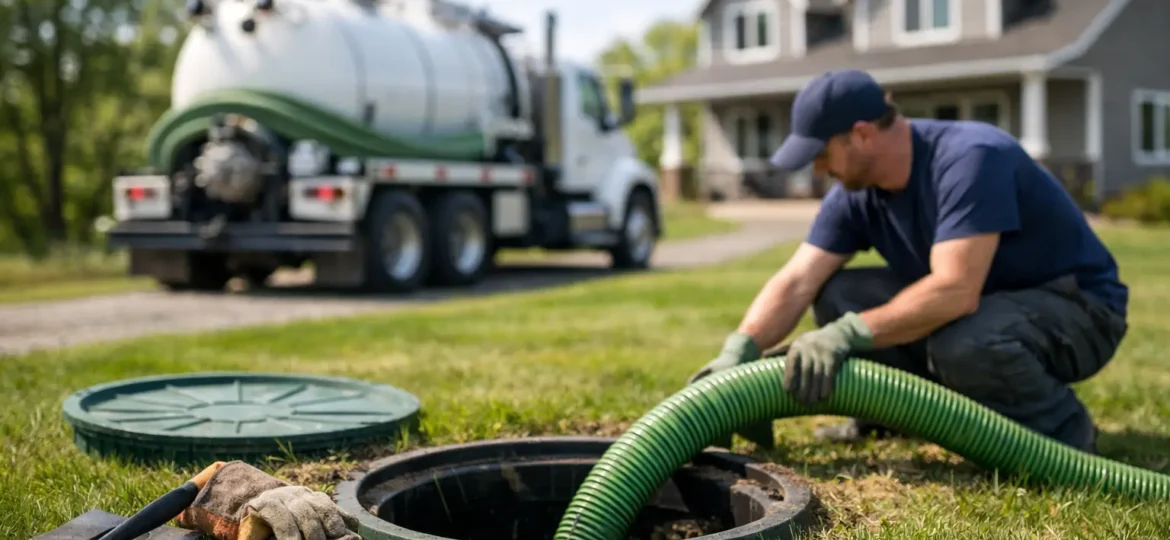
A septic backup usually does not start with a dramatic disaster. It starts with a slow toilet, a drain that gurgles, or a soggy patch in the yard that does not dry out. That is why a solid septic system maintenance guide matters. A little routine care costs a lot less than emergency pumping, drain field repair, or sewage cleanup.
If you own a home with a septic tank, your job is simple in theory – protect the system from overload, keep solids under control, and catch problems early. In real life, that means knowing what your system does, what it cannot handle, and when to call a professional before a small issue turns into a nasty one.
What a septic system actually needs
A septic system is not complicated, but it is not forgiving either. Wastewater leaves the house and flows into the tank, where solids settle to the bottom, oils and grease float to the top, and partially treated water moves out to the drain field. When everything is working right, that process is quiet and out of sight.
The trouble starts when too much water hits the system too fast, when the tank gets too full of sludge, or when things go down the drain that should never be there. Septic systems fail for practical reasons, not mysterious ones. Most of the time, neglect is the real culprit.
Your septic system maintenance guide: the core habits
The best maintenance plan is built around a few habits done consistently. You do not need to babysit the system every week, but you do need to stay ahead of pumping schedules, water use, and warning signs.
Pump the tank on schedule
This is the big one. A septic tank needs to be pumped before the sludge and scum layers build up enough to push solids into the drain field. Once that happens, the repair bill can climb fast.
For many households, pumping every 3 to 5 years is a reasonable starting point. But that is not a one-size-fits-all rule. A larger family, a smaller tank, heavy laundry use, or garbage disposal use can shorten that timeline. A vacation property or lightly used home may go longer. The right answer depends on tank size and how hard the system works.
If you do not know when your tank was last pumped, that is your first maintenance problem. Start there.
Watch your water use
Septic systems do not like sudden overload. If you run several loads of laundry back to back, take long showers, and run the dishwasher all in the same evening, you can flood the system with more water than it can process efficiently.
Spacing out water use helps. Fixing leaking toilets and dripping faucets helps even more. A running toilet can quietly send hundreds of extra gallons into the system, and that kind of waste catches up with you.
Be careful about what goes down the drain
Your toilet is not a trash can, and your kitchen sink is not a grease disposal line. Wipes, paper towels, feminine products, cat litter, dental floss, cigarette butts, grease, cooking oil, coffee grounds, and harsh chemicals can all create problems.
Even products labeled flushable can still clog pipes or add stress to the tank. Septic-safe habits are not about marketing labels. They are about what actually breaks down and what does not.
Signs your septic system needs attention
A good septic system maintenance guide should tell you what trouble looks like before you are ankle-deep in it. The early signs are usually pretty clear.
Slow drains throughout the house can point to a full tank or a blockage. Toilets that gurgle when sinks or tubs drain are another red flag. Bad odors near the tank or drain field matter. So does standing water or unusually green grass over the drain field, especially in dry weather.
If sewage backs up into the home, that is no longer a maintenance issue. That is an urgent service call.
One warning sign by itself does not always mean system failure. A single slow sink could just be a local clog. But when multiple fixtures act up at once, or when indoor symptoms show up with outdoor wet spots or odors, your septic system is asking for help.
Protect the drain field or pay for it later
The drain field is where many expensive septic problems show up. Once it is damaged, repairs are not small. That is why drain field care matters just as much as tank pumping.
Never park vehicles, trailers, or heavy equipment on the drain field. Compacted soil cannot absorb wastewater the way it should, and crushed lines can turn into a major repair. Keep sheds, patios, pools, and other structures away from that area too.
Tree roots are another common issue. Roots seek moisture, and septic lines give them a target. If trees or large shrubs are planted too close, roots can invade pipes and restrict flow. Not every yard needs the same setback, because tree type, pipe depth, and layout all matter, but giving the system space is always the safer move.
You also want surface water moving away from the drain field, not into it. Poor grading, roof runoff, and soggy landscaping can saturate the soil and reduce the field’s ability to treat wastewater.
Additives, cleaners, and other shortcuts
Homeowners often ask whether septic additives help. The honest answer is that most systems do not need them. A healthy septic tank already contains the bacteria needed to break down waste.
Some additives are heavily marketed as miracle fixes, but they do not replace pumping and they do not repair a damaged system. At best, many do little. At worst, some products can stir up solids and move them toward the drain field, which is the exact opposite of what you want.
The same common-sense rule applies to drain cleaners. Occasional careful use of the right product may not destroy a system, but repeated use of harsh chemical cleaners is hard on plumbing and not great for septic balance either. If drains keep clogging, the better answer is to find out why.
Seasonal septic care matters more than people think
Septic systems work year-round, and each season creates its own stress. During heavy rain periods, saturated ground can make the drain field less effective. Around the holidays, extra guests mean more showers, more toilet flushes, and more laundry. In cold weather, neglected systems can become sluggish if they are already close to trouble.
For rental properties and commercial sites, seasonal changes can hit even harder. Occupancy swings and irregular use patterns create a different kind of strain than a steady household routine. That is one reason scheduled inspections make sense for owners who manage multiple units or buildings.
Keep records, because memory is not a maintenance plan
One of the smartest things a property owner can do is keep a simple septic file. Save pumping dates, inspection notes, repair records, and a layout of the tank and drain field if you have it.
That information helps with future service, helps you spot recurring issues, and helps if you ever sell the property. It also keeps you from guessing about the last pumping date, which is how a lot of tanks get neglected in the first place.
When to call a septic professional
There is basic homeowner maintenance, and then there is professional septic work. Knowing the difference saves time and money.
Call a pro if you have recurring slow drains, sewage odors, standing water near the system, backups, alarms from pumps or controls, or no record of recent pumping. If you are buying an older property, adding bedrooms, remodeling, or changing water use significantly, it is also worth having the system evaluated. More people in the house usually means more wastewater, and your current setup may or may not be sized for that load.
A professional can inspect the tank, measure sludge levels, check baffles, assess the drain field, and catch problems before they turn ugly. That is especially important with pump systems, grinder pumps, or commercial properties where failure can disrupt a lot more than one household.
At Chatta-Rooter Plumbing, this is the kind of work we handle every day. The goal is straightforward – find the problem, explain it clearly, and fix it before it costs you more than it should.
The biggest mistake homeowners make
The biggest mistake is waiting until the system fails. People tend to ignore the early signs because the house is still mostly working. The toilet still flushes. The shower still drains, just slower. The yard is a little wet, but maybe it is just rain.
That delay is what turns maintenance into repair and repair into replacement. Septic systems give warnings. You just have to take them seriously.
A well-kept septic system can last for many years, but it does not stay healthy by accident. Pump it on time, go easy on water use, protect the drain field, and do not gamble with warning signs. If something feels off, it probably is, and dealing with it now is always easier than dealing with it after backup hits the floor.