

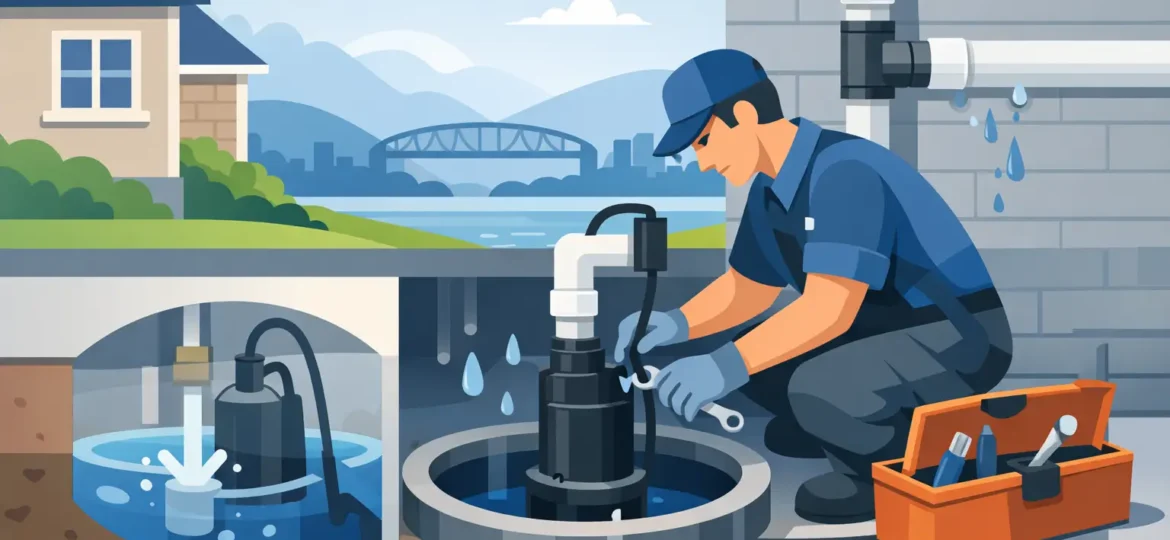
A sump pump usually stays out of sight and out of mind until the crawl space floods, the basement smells musty, or water starts showing up where it should not. That is why sump pump repair Chattanooga property owners can count on matters so much. When the pump fails, the damage moves fast, and waiting too long can turn a simple repair into a much bigger cleanup.
In Chattanooga, heavy rain is not rare. Add in hillside lots, older homes, groundwater issues, and storm runoff, and a sump pump becomes more than just a convenience. It is part of your property’s defense system. If it stops working, you need to know whether the issue is minor, whether the pump is near the end of its life, or whether you need immediate service before water damage gets worse.
Why sump pump repair Chattanooga homes often need starts with fast diagnosis
A sump pump does one basic job. It collects water from a sump pit and pushes it away from the home before that water rises high enough to cause trouble. The problem is that several parts have to work together at the same time. If one piece fails, the whole system can stop protecting your property.
That is why diagnosis matters. Some pumps stop because of a jammed float switch. Others fail because the motor burned out, the discharge line is clogged, the check valve is installed wrong, or the unit is undersized for the amount of water coming in. On the surface, those problems can look the same. You hear strange noise, see standing water, or notice the pump runs nonstop. But the right fix depends on the actual cause.
For homeowners and commercial property managers, the real risk is guessing wrong. Replacing a switch when the motor is failing does not solve the problem. Ignoring a clogged discharge line can force the pump to work harder until it quits. The best repair starts with a full look at the pit, pump, electrical supply, float mechanism, discharge piping, and how the system behaves under load.
Common signs your sump pump is in trouble
Most sump pumps do not fail without warning. They usually start sending signals first. The trick is catching those signs before the next hard rain.
If your pump is making grinding, rattling, or vibrating sounds, that is not normal wear you should shrug off. It may mean the impeller is damaged, debris is caught in the system, or the motor is straining. A pump that runs constantly can point to a stuck float, bad switch, heavy groundwater intrusion, or a unit that is simply too small for the job.
Short cycling is another red flag. If the pump turns on and off too often, the float may be set wrong, the pit may be too small, or the pump may be wearing out. You may also notice the pit stays full even when the pump is running. That often means the discharge line is blocked, frozen in colder periods, or leaking water back into the pit because of a failed check valve.
Sometimes the warning sign is not the pump itself. It is the smell of dampness, new stains on walls, soft flooring nearby, or a sudden spike in humidity. In those cases, the sump pump may be underperforming instead of fully dead. That still calls for attention, because partial failure can be just as costly as total failure if it goes on long enough.
What causes sump pump failure in Chattanooga
Local conditions play a big role. Chattanooga properties can deal with intense rain events, shifting ground moisture, runoff from sloped lots, and aging drainage setups. Those factors put extra pressure on sump systems, especially older pumps or units that were never sized correctly.
One common issue is debris in the pit. Dirt, gravel, and sediment can work their way into the basin and interfere with the float or impeller. Another is power loss during storms. A pump can be mechanically fine but still fail when the electricity goes out. That is why some properties need battery backup systems, especially where flooding risk is high.
Age is another factor. Most sump pumps are not meant to last forever. If your unit is getting older and has already been working through multiple rainy seasons, repairs may make sense only up to a point. There is a difference between replacing a worn switch on a solid pump and trying to keep a dying unit alive with repeated service calls.
Installation quality matters too. A poorly installed sump pump may sit wrong in the basin, discharge water too close to the foundation, or cycle improperly from day one. In those cases, the repair may need to address the system setup, not just the pump.
Repair or replace? It depends on the pump and the problem
This is where honesty matters. Not every bad sump pump needs full replacement. But not every failing pump is worth patching either.
If the issue is isolated, like a stuck float, a bad switch, a check valve failure, or a minor clog, repair is often the practical move. It is faster, less expensive, and gets the system back online without unnecessary work. If the pump is still in good shape overall, a targeted repair can buy years of additional service.
If the motor is failing, the housing is cracked, the pump is badly corroded, or the unit has a history of repeat breakdowns, replacement may be the better call. The same goes for pumps that are too small for current conditions. A cheap repair on an undersized pump does not solve the real issue. It just delays the next problem.
For landlords and commercial operators, downtime is part of the calculation. Water intrusion in a rental, office, restaurant, or storage area can interrupt operations fast. In those cases, replacing an unreliable pump can be the smarter financial decision even if a short-term repair is technically possible.
What professional sump pump repair should include
A real service call should do more than get the motor humming again. It should answer why the pump failed and whether the system is ready for the next storm.
That means testing the pump under operating conditions, checking float movement, inspecting the pit for debris, verifying power supply, reviewing the discharge line, and confirming that water is actually being pushed away from the structure. If there is a backup system, that should be tested too. If there is no backup and the property has a history of flooding, that should be part of the conversation.
Flat-rate, upfront pricing matters here because nobody wants surprises during an urgent plumbing call. So does experience. Sump pump problems often overlap with bigger drainage, sewer, or wastewater concerns. A company that understands pumps, discharge systems, and what water is doing around the property can spot issues that a quick fix might miss.
Chatta-Rooter Plumbing handles those tough pump and wastewater jobs with the same mindset it brings to septic and sewer work – show up fast, diagnose it right, and fix what is actually wrong.
How to reduce the chances of another sump pump failure
You do not need a complicated maintenance program, but you do need to pay attention. A quick visual check every so often goes a long way. Make sure the pit is not packed with debris, the pump is sitting upright, and the discharge area outside is clear.
It also helps to test the pump before storm season. Pour water into the pit and make sure the float rises, the pump turns on, and the water discharges properly. If it hesitates, hums, or fails to empty the pit, do not wait for the next downpour to find out it is unreliable.
If your area loses power during storms, ask whether a battery backup makes sense. If your current setup runs nonstop during wet periods, ask whether the pump is correctly sized. These are not upsells for the sake of it. Sometimes the right upgrade prevents repeated emergency calls and major water damage.
When to call for emergency sump pump repair Chattanooga service
If water is rising, the pump is dead, or you are seeing active flooding, that is not a wait-until-morning problem. The same goes for a sewage ejector or wastewater issue that may be tied into the larger drainage system. Fast action matters because the cleanup cost usually climbs by the hour.
Even if the flooding has stopped, a sump pump that failed once under pressure is telling you something. Maybe it needs repair. Maybe it needs replacement. Maybe the drainage setup around the property needs a closer look. Either way, you want answers before the next rain tests the system again.
A sump pump is one of those things you hope never to think about. But when it acts up, simple, fast, honest service makes all the difference. Getting ahead of the problem now is a whole lot easier than dealing with soaked floors, damaged walls, and a cleanup crew later.