

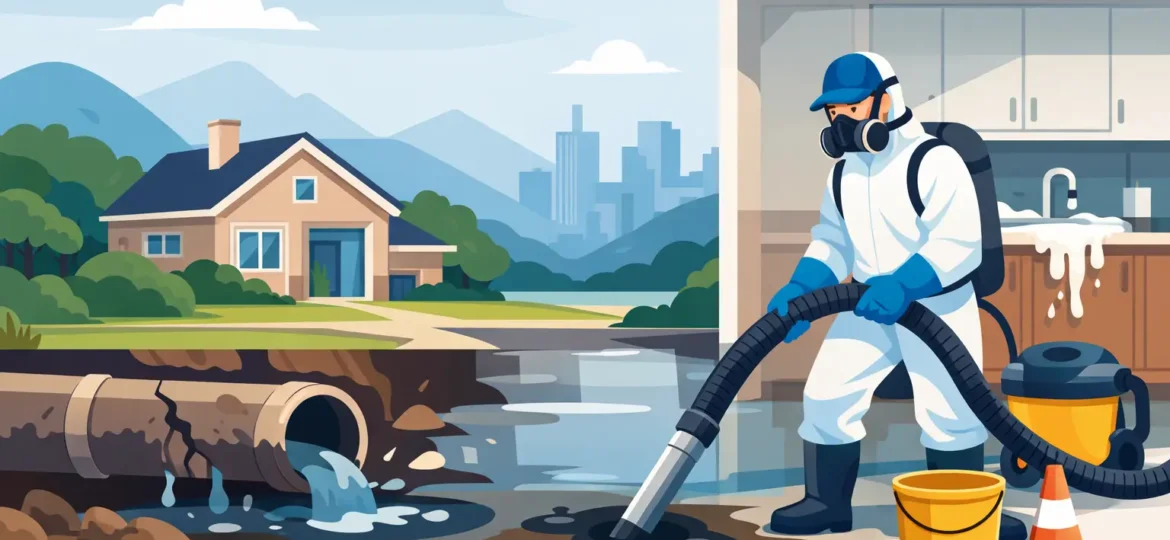
If sewage is coming up through a floor drain, backing into a shower, or spreading across a basement floor, this is not a wait-and-see problem. Sewage cleanup Chattanooga homeowners and business owners need starts with stopping exposure fast, protecting the property, and finding the cause before the mess gets worse.
Raw sewage is more than a nasty cleanup job. It can carry bacteria, viruses, and contaminants that should never stay inside a home or commercial building for long. It also soaks into flooring, drywall, insulation, trim, and anything porous in the area. The longer it sits, the more expensive the damage usually gets.
What causes sewage backups in Chattanooga?
Around Chattanooga, sewage backups can come from a few different places, and the source matters because the fix is not always the same. A clogged main sewer line is one of the most common culprits. Grease buildup, wipes, roots, paper products, and collapsed pipe sections can all stop wastewater from flowing out the way it should.
On properties with septic systems, the problem may be a full tank, a damaged line, a failing drain field, or a pump issue. Heavy rain can also make matters worse, especially when a weak system is already close to failure. If wastewater has nowhere to go, it often comes back into the building through the lowest drain first.
Commercial properties can see backups for different reasons. Restaurants deal with grease. Multi-unit buildings put more demand on the line. Older buildings sometimes have aging sewer infrastructure that cannot handle current use without regular maintenance.
First steps during a sewage cleanup Chattanooga emergency
The first priority is safety. Keep people and pets out of the affected area. If sewage is near electrical outlets, appliances, or your breaker panel, do not walk through standing water to investigate. Shut off power only if you can do it safely from a dry location. If not, wait for a professional.
Stop using water in the building right away. Do not flush toilets, run sinks, start dishwashers, or do laundry. Any extra water can feed the backup and spread contamination further.
If the spill is small and contained, you can open windows for ventilation and move unaffected items away from the area. But do not start handling soaked carpet, furniture, or drywall without proper protection. Sewage cleanup is not the same as cleaning up a clean water leak. Bleach alone is not a complete answer, and a mop is not enough when waste has reached porous materials.
Why sewage cleanup is different from basic water damage
A lot of people assume a wet vacuum, disinfectant, and some fans will take care of it. Sometimes that works for a small clean-water issue. It does not apply to raw sewage.
Sewage is considered highly contaminated water. Once it touches carpet pad, insulation, cardboard, upholstered furniture, or drywall, those materials often need to be removed and replaced. Even when surfaces look dry, contamination and odor can remain underneath.
There is also the issue of the source. If you clean the visible mess but do not clear the blocked sewer line, repair the septic problem, or address the failed pump, the backup can happen again right away. Real cleanup includes both sanitation and correction of the underlying plumbing or septic failure.
What professional sewage cleanup usually includes
A proper response starts with finding out where the backup came from. That may mean drain cleaning, a sewer camera inspection, septic troubleshooting, pump testing, or evaluating the main line. Without that step, cleanup is only half done.
Once the source is identified, the affected sewage is removed and the area is isolated as needed. Contaminated debris is taken out. Floors, hard surfaces, and salvageable materials are cleaned and sanitized. If sewage got into wall cavities, under flooring, or into lower building materials, those sections may need to be opened and removed.
Drying matters too. Moisture left behind can lead to odor problems, material deterioration, and mold growth. Depending on the situation, equipment may be used to dry the structure after contaminated material is removed.
For properties dealing with septic backups, the job may also include tank pumping, line repair, drain field diagnosis, or pump replacement. For city sewer properties, it may involve main line cleaning, root removal, hydro jetting, or sewer repair.
When you should not try to handle it yourself
There are a few situations where DIY cleanup is the wrong move from the start. If the backup covers a large area, has soaked into finished materials, involves multiple drains, or keeps returning, you need a professional. The same goes for crawl spaces, basements with electrical risk, and any commercial setting where health exposure affects employees or customers.
You should also avoid DIY if anyone in the building has a weakened immune system, respiratory issues, or open wounds. Raw sewage exposure is not something to gamble with.
There is a cost trade-off here. Calling for service may feel like the expensive option in the moment. But partial cleanup, missed contamination, and an unfixed sewer or septic issue usually lead to a bigger bill later. The cheapest path is often the one that solves the whole problem the first time.
Common signs the problem is bigger than one clog
Sometimes people treat a sewage backup like a simple toilet stoppage because that is what they can see. The warning signs of a larger sewer or septic problem are usually there if you know what to look for.
If more than one drain is slow, if toilets bubble when a sink drains, if wastewater appears in a tub when a toilet is flushed, or if the same drain keeps backing up, the issue may be in the main line. Bad odors around drains, soggy areas in the yard, gurgling pipes, and sewage near a septic tank or drain field point to a deeper wastewater problem.
This is where experience matters. It is not just about clearing a line. It is about knowing whether the property needs drain cleaning, a camera inspection, septic pumping, line repair, hydro jetting, or pump service.
Sewage cleanup Chattanooga property owners should expect after the mess is gone
Cleanup is only one part of getting back to normal. After a sewage event, you need confidence that the problem will not return next week. That usually means a straight answer about what failed, what was damaged, and what needs to be repaired or monitored.
For some properties, the solution is simple – a blocked line gets cleared and the area gets sanitized. For others, it depends on the age of the pipes, the condition of the septic system, whether roots are entering the line, or whether a grinder pump or sewage ejector pump has quit working.
A dependable contractor should be upfront about that. Not every backup means full replacement. Not every old line can be patched forever either. The right answer depends on what the inspection shows and how often the issue has happened before.
How to lower the risk of another backup
Prevention is never a guarantee, but it can cut down your odds of another sewage emergency. Do not flush wipes, hygiene products, paper towels, or grease. If your property has a septic system, keep up with pumping and inspections instead of waiting for warning signs. If your building has older sewer lines, recurring slow drains, or tree-heavy landscaping, periodic inspection and cleaning may save you from a much bigger problem.
Pump systems also need attention. Grinder pumps, sewage ejector pumps, and sump pumps are easy to ignore until they fail. If your property depends on one of these, routine service makes a difference.
For Chattanooga property owners dealing with wastewater issues, speed matters, but so does getting the diagnosis right. A fast response is only useful if the cleanup is thorough and the real cause gets fixed. If you need help with sewage cleanup, sewer service, or septic trouble, a local company with emergency availability and real field experience can make the difference between a contained problem and a property-wide mess. Learn more at https://Chattanoogasepticrepair.com.
When sewage shows up indoors, the goal is simple – get people safe, get the contamination out, and get the system working the way it should again.