

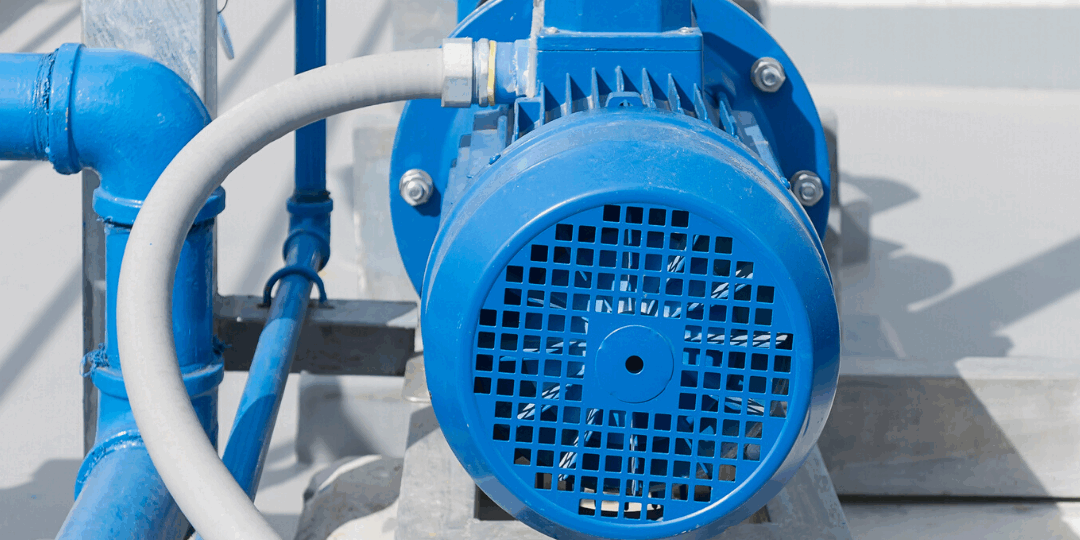
If you’re planning a basement bathroom, laundry room, or home addition below the main sewer line in Chattanooga, a standard gravity-fed plumbing system won’t cut it. Wastewater from these lower-level spaces needs extra help to reach the main sewer line or septic system. That’s where a sewage ejector pump comes in.
Choosing the right sewage ejector pump is crucial to ensure your plumbing system runs smoothly, prevents backups, and avoids costly damage. With Chattanooga’s mix of older homes, new builds, and basement remodels, homeowners often need guidance on selecting the right system. Let’s take a closer look at how sewage ejector pumps work, the factors to consider when choosing one, and why professional installation is so important.
What Is a Sewage Ejector Pump?
A sewage ejector pump is a specialized pump designed to handle wastewater and solid waste from fixtures located below the main sewer or septic line. Installed in a sealed basin in the basement or crawlspace, the pump activates when the basin fills with waste, pushing it upward through a discharge pipe until it reaches the main sewer line.
Unlike smaller sump pumps that only handle groundwater, sewage ejector pumps are powerful enough to move both liquids and solids safely. This makes them essential for basement bathrooms, laundry rooms, or new additions where traditional gravity-fed drainage isn’t possible.
Why Chattanooga Homes Often Need Sewage Ejector Pumps
Basements and lower-level living spaces are popular in Chattanooga homes, especially in neighborhoods with hilly terrain or older construction. However, these areas often sit below the city’s sewer line or a home’s septic tank. Without an ejector pump, wastewater would have no way to flow upward, leading to frequent clogs or even raw sewage backups.
For homeowners adding a basement bathroom, mother-in-law suite, or laundry room, installing a sewage ejector pump ensures the plumbing functions properly and meets building codes in Hamilton County and surrounding areas.
Key Factors to Consider When Choosing a Sewage Ejector Pump
Not all sewage ejector pumps are the same. To make sure you select the right one for your Chattanooga home, keep the following factors in mind:
1. Pump Capacity (Horsepower)
The pump’s horsepower determines how much waste it can handle and how efficiently it can push it upward. Most residential pumps range from ½ HP to 1 HP, which is adequate for typical basement bathrooms. For larger households or heavy usage, a higher horsepower pump may be necessary.
2. Solids Handling Capability
Since ejector pumps must handle solid waste, you’ll need one designed for that purpose. Most residential pumps can handle solids up to 2 inches in diameter, but if your system has higher demands, consider a pump with greater solids-handling capacity.
3. Basin Size
The holding basin, typically installed below the basement floor, stores wastewater before it’s pumped out. A larger basin reduces how often the pump cycles, which can extend its lifespan. For homes in Chattanooga with multiple basement fixtures, a 30-gallon basin or larger may be a smart choice.
4. Pump Material and Durability
Look for pumps made of cast iron or heavy-duty thermoplastic. These materials withstand long-term use and resist corrosion. Since Chattanooga’s humidity and occasional flooding can stress basement systems, durability is key.
5. Alarm Systems and Backup Features
Many modern ejector pumps come with high-water alarms that alert you if the pump fails or the basin is overfilling. Backup battery systems or secondary pumps are also valuable in case of power outages, a common concern during Chattanooga’s summer storms.
6. Noise Level
While all pumps make some noise, some models are quieter than others. If your basement will be a living space, you’ll want a pump designed for quieter operation.
Professional Installation Matters
Even if you choose the best pump on the market, poor installation can lead to constant problems. That’s why hiring a professional plumber in Chattanooga is so important. Here’s why:
- Correct Sizing and Placement: A plumber ensures the pump and basin are correctly sized for your household’s needs.
- Code Compliance: Hamilton County and Chattanooga have plumbing codes that must be met for safety and resale value. A professional makes sure your installation passes inspection.
- Proper Venting: Sewage ejector pumps require proper venting to the home’s plumbing vent system. Improper venting can lead to odors and dangerous gases.
- Reliable Connections: Incorrect discharge piping or check valve installation can cause waste to flow back into the basin, leading to failures.
Maintenance Tips for Long-Term Performance
Once your sewage ejector pump is installed, proper maintenance helps avoid unexpected breakdowns:
- Inspect Annually: Have a plumber check the pump, float switch, and basin for wear and tear.
- Clean the Basin: Over time, sludge can build up and reduce efficiency. Periodic cleaning extends the pump’s lifespan.
- Test the Alarm System: Make sure any high-water alarms or backup systems are working properly.
- Avoid Flushing Non-Flushables: Items like wipes, paper towels, and feminine products can clog even the best ejector pump.
The Cost of Sewage Ejector Pumps in Chattanooga
On average, homeowners in Chattanooga can expect to spend between $1,000 and $3,000 for a new sewage ejector pump system, including installation. The cost depends on pump size, basin capacity, and whether any additional plumbing modifications are needed. While this may seem like a big investment, it’s far less than the cost of repairing sewage backups or water damage in your basement.
Final Thoughts
If you’re adding a basement bathroom or finishing a home addition in Chattanooga, a sewage ejector pump is essential to keeping your plumbing system safe and functional. By considering factors like horsepower, basin size, durability, and backup features, and working with a qualified local plumber, you’ll ensure that your new living space is comfortable, code-compliant, and protected against costly plumbing issues.