

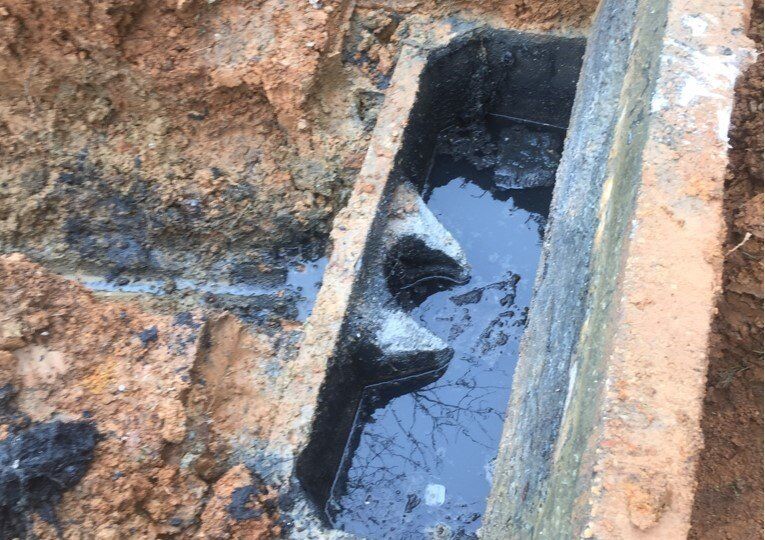
Drain cleaning is one of those household maintenance tasks that many homeowners overlook until a problem arises. Clogged sinks, slow-draining bathtubs, and backed-up toilets can be disruptive, unpleasant, and expensive to fix if left untreated. Regular drain cleaning services not only keep your plumbing system in top shape but can also prevent serious damage and costly repairs. So, how often should you schedule drain cleaning services? The answer depends on several factors, including usage, household size, and plumbing age.
Why Regular Drain Cleaning Matters
Before diving into how often you should schedule drain cleaning, it’s important to understand why it’s essential.
- Prevents Clogs and Blockages
Over time, food scraps, grease, soap scum, hair, and other debris can accumulate in your pipes. This buildup restricts water flow and can lead to full blockages. Regular cleaning prevents these materials from causing long-term damage. - Eliminates Foul Odors
Bacteria and rotting organic material inside drains can emit unpleasant odors. Professional cleaning clears out this gunk, leaving your home smelling fresh. - Improves Drainage Speed
You might not have a full clog, but slow-draining sinks or tubs are still a hassle. Cleaning helps your water flow freely again. - Extends the Life of Your Plumbing
Neglected pipes are more likely to corrode or leak. Consistent maintenance protects your plumbing infrastructure and saves money in the long run.
How Often Should You Schedule Drain Cleaning?
The general recommendation is to have your drains professionally cleaned at least once per year, but there are circumstances that may require more frequent service.
1. Annually – For Preventative Maintenance
If you want to keep your drains in good working condition and prevent emergencies, scheduling a professional cleaning once a year is a great habit. This is especially important for homes with aging plumbing systems or properties with lots of trees nearby (since roots can invade sewer lines).
2. Twice a Year – For Larger Households
If you live in a home with a large family or multiple roommates, your plumbing system is under more strain. The increased usage means more chances for buildup and blockages. In such cases, cleaning every six months is ideal.
3. Quarterly – For Commercial Properties or Heavy Use
Restaurants, hair salons, and other businesses that rely heavily on drains should consider professional cleaning every three months. The risk of grease buildup or hair clogs is much higher in commercial settings.
4. As Needed – For Visible Symptoms
Regardless of your schedule, you should always be alert to signs that your drains need immediate attention. These include:
- Slow drainage
- Gurgling sounds
- Foul odors
- Frequent backups
- Multiple clogged fixtures
Factors That Influence Cleaning Frequency
Every home and plumbing system is different. Here are a few factors that can impact how often you should schedule service:
1. Type of Drain
- Kitchen drains collect grease, food particles, and soap. They usually need more frequent cleaning.
- Bathroom drains tend to gather hair, toothpaste, and soap scum.
- Floor drains in basements or garages may collect dirt and debris, especially in homes with pets or high foot traffic.
2. Plumbing Material and Age
Older pipes are more susceptible to corrosion and buildup. If your plumbing is decades old, regular inspections and cleanings are essential.
3. Tree Root Infiltration
If your home is near large trees, roots can grow into your underground pipes and cause major clogs. You may need more frequent service to keep lines clear.
4. Garbage Disposal Use
If you frequently use a garbage disposal, especially for fibrous or greasy foods, your kitchen drain may clog more easily.
DIY Drain Maintenance Tips Between Cleanings
While professional services are crucial, there are some things you can do in between cleanings to maintain healthy drains:
- Avoid pouring grease or oil down the drain
- Use a drain strainer to catch hair and food particles
- Flush your drains with hot water weekly
- Use baking soda and vinegar monthly to naturally clean and deodorize drains
- Be cautious with chemical drain cleaners they can corrode pipes and harm the environment
Benefits of Hiring a Professional
Many homeowners try to clean drains themselves using store-bought products or plungers. While this can work for minor issues, there are several benefits to hiring a professional:
- Thorough Cleaning: Professionals use specialized tools like drain snakes, augers, and hydro-jetters to completely clear pipes.
- Camera Inspections: They can identify hidden issues like root intrusion or cracked pipes using video inspection.
- Preventative Approach: A trained technician can spot and resolve problems before they escalate into major plumbing emergencies.
- Safe for Pipes: Pros use techniques that are effective without damaging your plumbing system.
Final Thoughts
Drain cleaning may not be the most glamorous part of homeownership, but it’s undeniably important. Whether you schedule it once a year or every few months, routine professional cleaning can save you from the headaches of clogs, backups, and costly plumbing repairs.
So, how often should you schedule drain cleaning services? For most households, once a year is enough but if you have high usage, old pipes, or commercial needs, you’ll want to consider more frequent service.
If you’re unsure about your plumbing’s condition, start with a professional inspection. An experienced technician can give you personalized recommendations and help you stay ahead of any issues before they turn into emergencies.